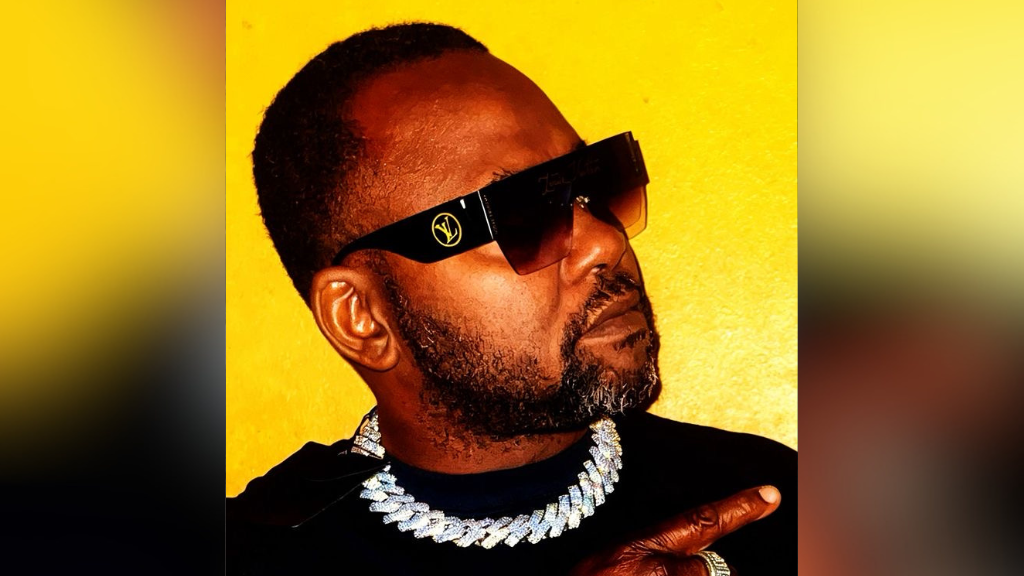
KINGSTON, Jamaica — Longtime Jamaican dancehall creative Caboowie is sounding the alarm over a troubling rise in violent confrontations between school-aged young people across the island, arguing that overly negative lyrical content in popular music has contributed heavily to this harmful cultural shift.
In a recent conversation with Observer Online, the Spanish Town-born performer laid out his perspective bluntly: “We see children lashing out and acting out both in school halls and on public streets constantly today. So much of the music they consume is saturated with negativity, and it is shaping their behavior. What they need right now is uplifting messaging and tracks that encourage them to grow and thrive.”
After years of observing this steady creep of harmful content influence, Caboowie says the time for honest conversation and action is long overdue. “Negativity has seeped into young people’s worldviews gradually over time, and we need to stop avoiding that truth. They desperately need positive inspiration to guide them,” he explained. “As an artist, I have a platform, and I am choosing to use that platform to do my part: I want to fill young minds with music that lifts them up and brings them joy, not division or violence.”
To turn this commitment into action, the artist dropped his new single *Cash Cash (Hot Cash)* one week prior to the interview, framing the track as a reflection of his mission to deliver uplifting content to young listeners.
While he points to negative music as a key contributing factor to youth behavioral issues, Caboowie also acknowledges that multiple societal forces shape young people’s choices. “It all comes down to what you feed into young minds. There are other issues at play, of course, but when you look at what kids are listening to daily — the tracks blaring in minibuses, the lyrics they dance to — it is impossible to ignore how worrying it is. Discipline starts at home, and parents have a critical role to play in nurturing the next generation’s minds in a positive, supportive way.”
A former student at Jonathan Grant High School, Caboowie brands his artistic style as “educator aka the Instructor” — a unique blend of classic, foundational dancehall sounds and modern, contemporary delivery. Drawing creative inspiration from dancehall icons Shabba Ranks and Bounty Killer, he is focused on building his own distinct niche in the industry while protecting the core authenticity that makes dancehall such a beloved global genre.
“I make clean, timeless music to educate the younger generation in a positive way,” he said, stressing how critical meaningful, purpose-driven lyrics are in an era he says desperately needs stronger unifying messaging.
Caboowie currently collaborates with King Nifty of Baff Music Group and producer Gideon of Gideon Records, while also actively supporting the next generation of Jamaican talent by building a network of emerging creators including Taskia, Landolyrical, Davidon, and Daki.
The artist, born Duran Jeffrey Burnett, recently made the decision to rebrand from his original stage name Unit. “The name Unit felt outdated after a while, especially once 50 Cent’s G-Unit rose to prominence. I never wanted to be tied to that space. I wanted an entirely original name to match my completely original sound,” he explained.
With 20 years of experience working in the music industry under his belt, the most impactful lesson Caboowie says he has learned is to persist through setbacks. “Never stop pursuing the work you love, even when it feels like no progress is being made. Just keep pushing forward,” he said. “After two decades in this industry, this is the first time I have gotten such overwhelming positive public feedback for any of my releases. Honestly, that response has given me a whole new burst of motivation to keep walking this positive path.”
Beyond his work with youth, Caboowie also raised concerns about deep divisions and disunity within the wider Jamaican music community. “The first rule of this industry should be: every established artist should lift up a new emerging artist,” he argued. “We also need to stop this toxic culture of competing to see who ‘runs’ music or who is the ‘baddest’ in the scene. That infighting is killing our culture. Fans don’t want to see public animosity on social media dividing entertainers — they want to see artists collab on new tracks and create together.”