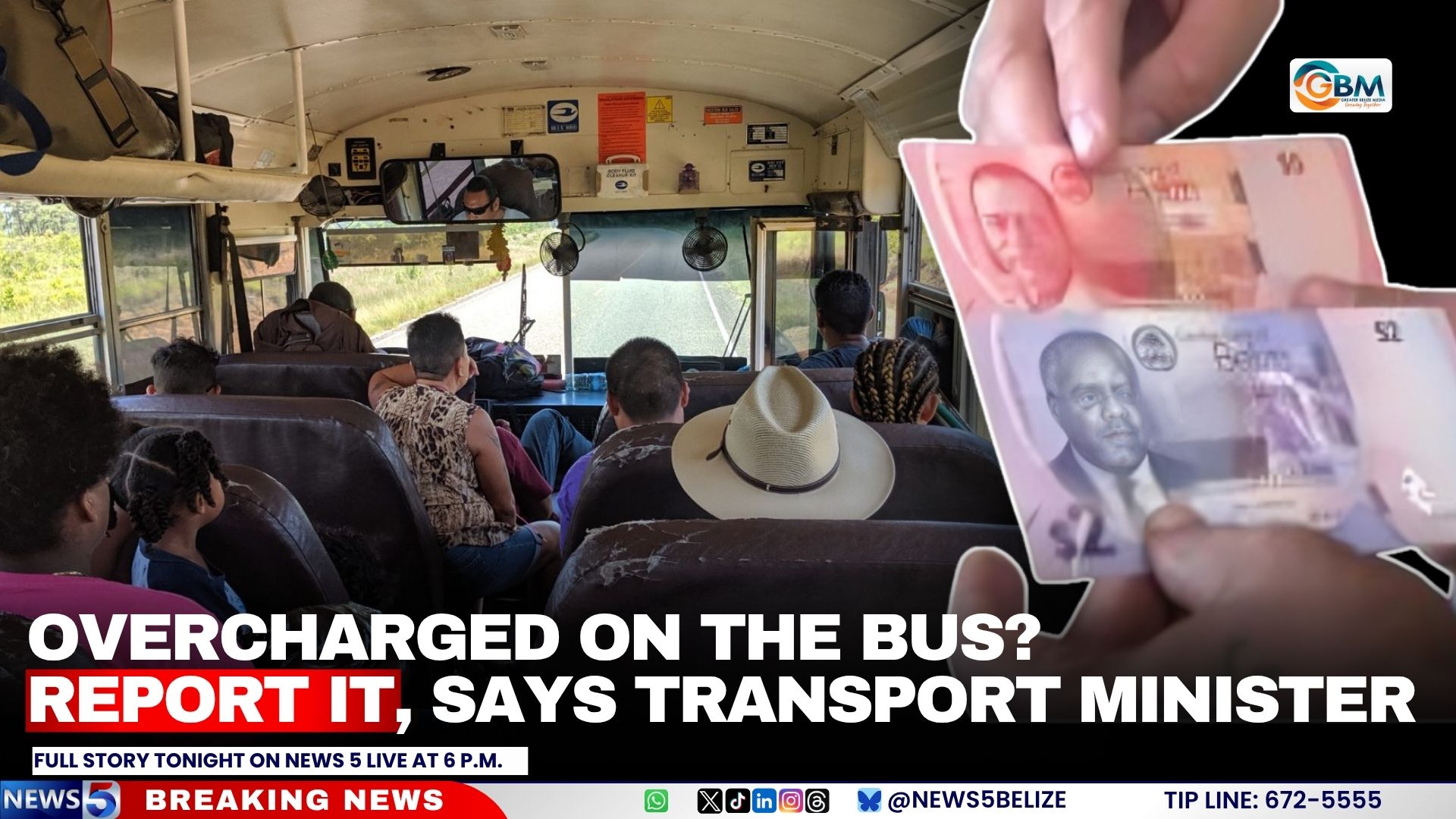
Just days after a regulated bus fare increase took effect across the country, widespread commuter complaints about unauthorized overcharging have prompted top transport officials to roll out a public reporting mechanism and strict penalties for non-compliant operators. The new fare structure, which went into force on Monday this week, adds between 50 cents and one dollar to existing ticket prices, a change implemented to offset the ongoing spike in operating costs for bus companies. To further ease the financial pressure on these operators, the government has also approved a new $3 per gallon diesel subsidy program, funded by $1.5 million in public expenditure over a three-month period, that is scheduled to launch next Monday. Despite these policy adjustments designed to bring predictability to bus pricing, commuters have flooded transport authorities with consistent reports that some providers are charging fares far higher than the officially approved new rates. Responding to growing public outcry, Transport Minister Dr. Louis Zabaneh publicly addressed the concerns this week, confirming that the government is actively monitoring fare practices across all routes to root out non-compliance. “We have already published all official fare guidelines and our reporting channels on our official social media platforms,” Dr. Zabaneh explained in a public statement. “Commuters can call a dedicated hotline to report any instance of overcharging, and our enforcement team will launch an immediate investigation into every claim.” The minister did not leave room for ambiguity when outlining potential consequences for operators that intentionally overcharge passengers. Dr. Zabaneh confirmed that any proven violation of the approved fare structure could lead to severe action, including the full revocation of an operator’s license to provide public bus services. The government’s quick response comes as it seeks to balance support for bus operators struggling with rising fuel costs with protection for working commuters who rely on public transit for daily travel.