Against a backdrop of steeply rising global food costs that have put severe financial strain on household budgets across small developing nations, Belize has seen a quiet grassroots movement take root: ordinary citizens are turning even the smallest patches of urban backyard space into productive home gardens, cutting grocery expenses and reclaiming food security one seed at a time. What began as a practical coping mechanism for ballooning market prices has grown into a community-wide shift that empowers people to take control of their food supply, regardless of how little land they have available.
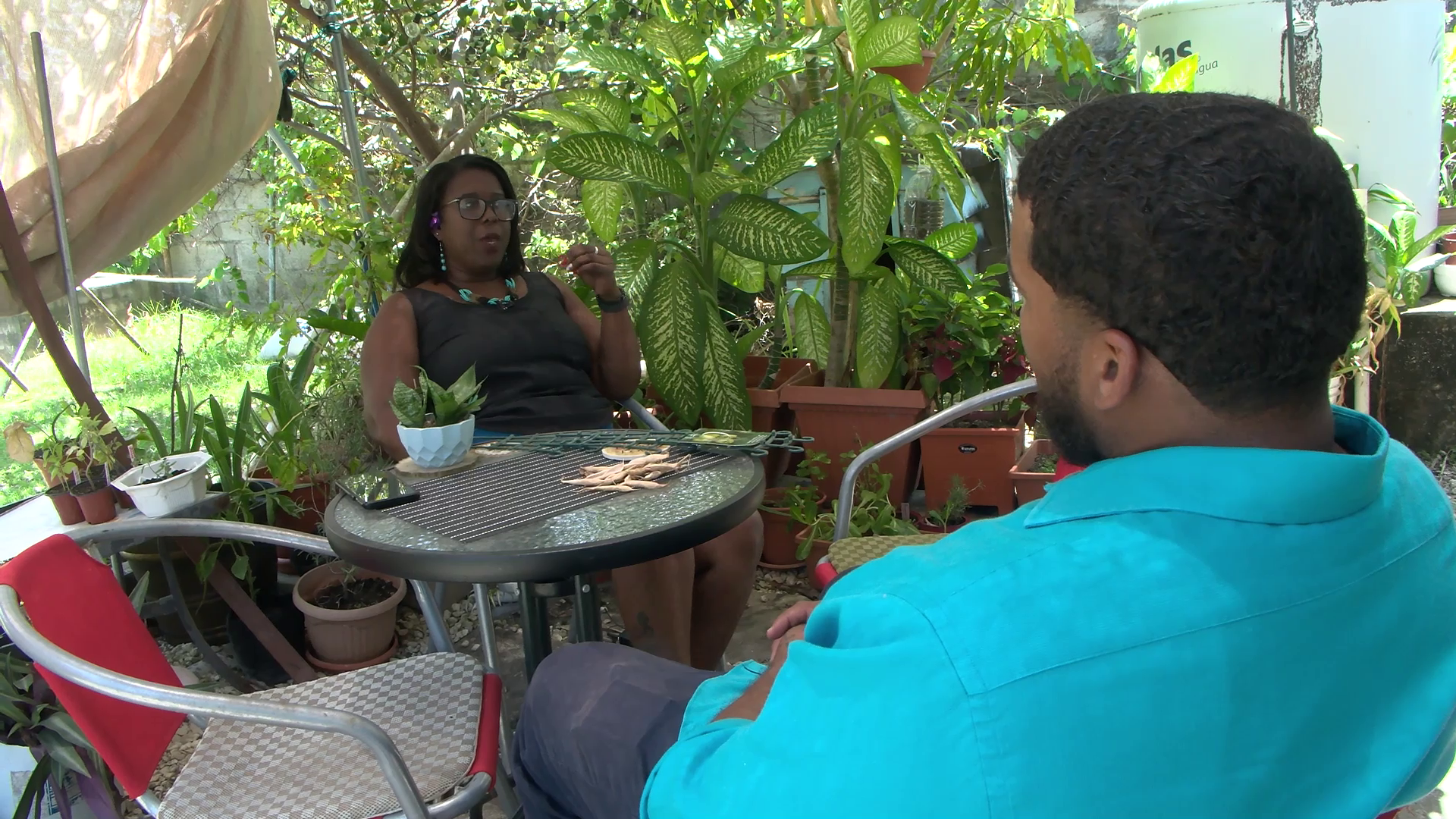
In the densely populated coastal neighborhood of Buttonwood Bay in Belize City, long-time resident Michelle Sampson has transformed her modest backyard into a thriving, diverse urban farm that supplies nearly all of her family’s fresh produce. Ten years ago, Sampson launched her garden as a way to process personal grief after a major loss; today, her small plot boasts five varieties of tomatoes, leafy lettuce, sweet bell peppers, bananas, plantains, strawberries, raspberries, grapes, rosemary, basil and cabbage, all growing in the limited space of a suburban residential yard.
Sampson says the garden has drastically cut her monthly grocery bill, eliminating the need to buy the most expensive fresh produce at local markets. She also wants to dispel the common myth that growing your own food requires large plots of land or natural gardening talent. Even renters with no permanent yard can grow produce in containers on verandahs, she notes, and anyone can start small with just one plant to test their skills. “If you keep saying, oh I can’t grow this, I don’t have a green thumb, you will never know what you can do,” Sampson explained in an on-site interview. “You can start with one tomato plant. I have friends that grow them in pots on the verandah if you are renting. You can always take them with you. You have a space on the side, you can just do one little plot.”
The movement to embrace small-scale home food production is not limited to adult home gardeners. At Belize’s Sadie Vernon High School, students are already learning the skills to launch their own backyard growing systems, building a campus aquaponics project that combines vegetable cultivation with freshwater fish farming in a compact, self-sustaining cycle. Students Joselin Sanchez and Mildreth Gonzalez manage the system under the guidance of their teacher Malaak Middleton, monitoring growth, maintaining water quality, and tracking the project’s progress as part of their coursework.
The small aquaponics setup already produces a steady supply of white cucumber, cabbage, peppers, and edible fish, all grown organically by the students. Sanchez notes that the cyclical, self-reproducing nature of aquaponics makes it an ideal long-term solution for households struggling with high food costs, helping families cut hundreds of dollars in annual grocery expenses. For Gonzalez, the project has added a layer of personal satisfaction that goes beyond cost savings: “I have actually eaten the white cucumber that is really delicious. And it feels good, because we grow it and it’s our achievement and we eat it and it is good.”
Middleton says the project is designed to inspire the next generation to embrace home food growing as a lifelong practical skill, hoping the experience will add lasting value to her students’ lives and encourage them to share their knowledge with their families and wider communities. “Teachers serve as an inspiration and I am hoping that I have served as one in these kids’ life,” Middleton said. “I am hoping this brings value to their life and in turn the community.”
While Sampson’s garden grew from personal loss and the high school project began as an educational initiative, both examples illustrate the same core truth: most of the fresh produce that households regularly purchase at the market can be grown at home, even in tiny urban spaces. As food prices continue to strain household budgets across Belize, this grassroots movement of backyard farming has proven to be an accessible, empowering lifeline that puts food security back in the hands of individual families and communities. Reporting for News Five, Paul Lopez contributed to this report.