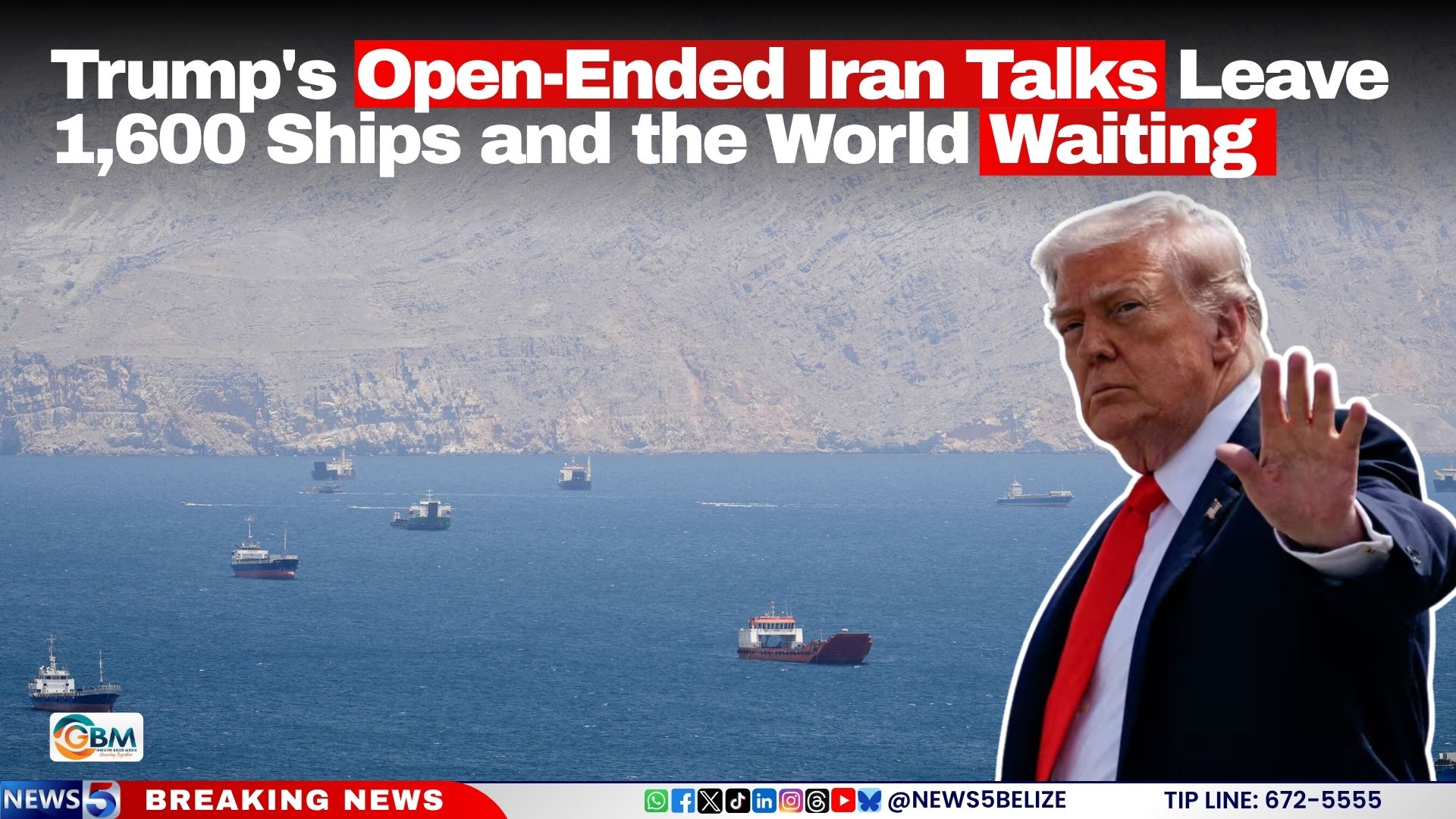
Two months after the outbreak of open hostilities between the United States and Iran that began in late February, the world is stuck in limbo as open-ended negotiations between the two powers leave global energy security and hundreds of vessels in peril at one of the world’s most critical chokepoints. As of May 6, 2026, 1,600 commercial ships remain trapped in the Strait of Hormuz, the narrow waterway that carries roughly a fifth of the world’s daily oil supplies, and global fuel prices have continued a steady upward climb with no clear end to the crisis in sight.
In remarks released Tuesday, former US President Donald Trump announced that Washington had held “very good talks” with Iranian officials over the preceding 24 hours, striking an optimistic tone about the prospects of a negotiated settlement. “We’re in good shape… They want to make a deal. It’s very possible that we’ll make a deal,” Trump told reporters. But despite this upbeat assessment, the White House has declined to set any formal deadline for a response from Tehran, leaving the timeline for a breakthrough completely undefined.
Trump also made an unconfirmed claim that Iran has already agreed to his administration’s core nonproliferation demand: that the country permanently abandon any pursuit of nuclear weapons. “Iran cannot have a nuclear weapon, and they won’t, and they’ve agreed to that,” he stated. To date, however, there has been no independent verification of this agreement, nor any official confirmation from Iranian authorities confirming that they have accepted this term.
While diplomats haggle with no set timeline, the human and economic cost of the standoff continues to mount. Since hostilities began on February 28, 32 commercial vessels transiting near or through the strait have been hit by missile attacks. These attacks have already killed 10 seafarers and left at least a dozen more injured, according to data compiled by CNN.
Still, there are faint signs of potential progress toward de-escalation. A regional source familiar with the negotiations told CNN that both sides are moving closer to agreeing to a short, one-page framework agreement that would lay the groundwork for ending the current conflict. For the tens of thousands of seafarers trapped aboard stranded vessels and consumers facing rising energy costs around the globe, that tentative progress offers little immediate relief, as the standoff stretches into its third month with no resolution in sight.