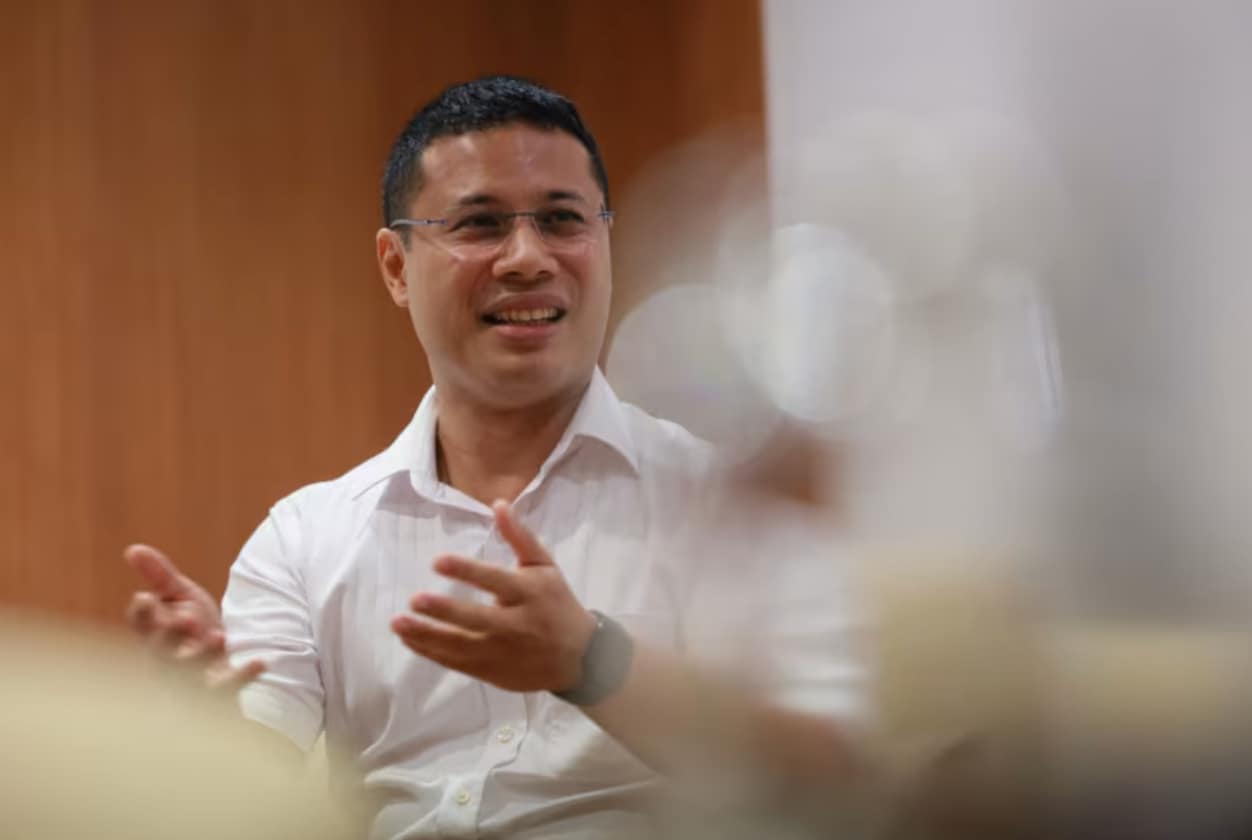
Singapore’s education policy has once again drawn global attention after Education Minister Desmond Lee formally confirmed this week that corporal punishment via caning will remain an allowed disciplinary tool for misbehaving students in the country’s public schools, under strictly regulated conditions. Lee laid out the framework during a parliamentary session Tuesday, addressing questions tied to new anti-bullying policies unveiled on April 15 that sparked debate over the mental health impacts of caning students as young as 9. Under the policy, which will be fully implemented across all Singaporean state schools starting in 2027, caning is only permitted when all alternative disciplinary interventions have failed to address severe misconduct, and only for male students. Lee emphasized that every case is evaluated on individual circumstances, with school leaders required to weigh factors including the student’s level of maturity and whether the punishment will help the child recognize the severity of their actions. All instances of caning require formal approval from a school principal and can only be carried out by specifically authorized staff, protocols designed to protect student safety, according to the minister. The policy is rooted in research cited by the government that clear, firm consequences help children and youth develop responsible decision-making and understand boundaries, with Lee noting that the measure is intended to reduce bullying in school environments. The retention of school caning puts Singapore at odds with growing global trends, as corporal punishment in educational settings has been banned or fallen sharply out of use across most Western nations and a growing number of Asian countries in recent decades. Even so, a 2025 August report from the World Health Organization (WHO) estimates that between 25% and 50% of children globally still experience corporal punishment in schools, and the global health body has repeatedly called for a complete end to the practice. WHO warns that corporal punishment inflicts long-term harm that can last a lifetime, undermining children’s physical and mental health, academic outcomes, and long-term social and professional functioning. The organization stresses that overwhelming modern scientific evidence confirms the practice carries multiple risks of harm and delivers no benefits to children, families, or broader societies. Singapore, a small, wealthy Southeast Asian financial hub, has long been known for its strict approach to law and order, a reputation that has sparked international controversy multiple times over the decades. Most recently, at the end of April, a French teenager faced up to two years in prison after allegedly licking a straw on a public orange juice vending machine before returning it to the dispenser, a case that echoed high-profile past incidents involving foreign nationals facing harsh punishment under Singapore’s laws. The most famous of these dates back to 1993, when 18-year-old American citizen Michael Fay was arrested for vandalizing dozens of cars with spray paint and possession of stolen property. He was originally sentenced to four months in prison and six strokes of the cane, a sentence that triggered international outcry and diplomatic intervention from then-US President Bill Clinton, who lobbied successfully to reduce the punishment to four strokes. Despite intense pressure from Washington to scrap the sentence entirely, Singapore proceeded with the caning, arguing that it was obligated to uphold its own laws regardless of an individual’s nationality. The incident briefly strained bilateral relations between the two countries, and remains one of the most widely discussed examples of Singapore’s commitment to its zero-tolerance approach to misconduct decades later.
Singapore says teachers can cane students as young as 9 in new anti-bullying strategy