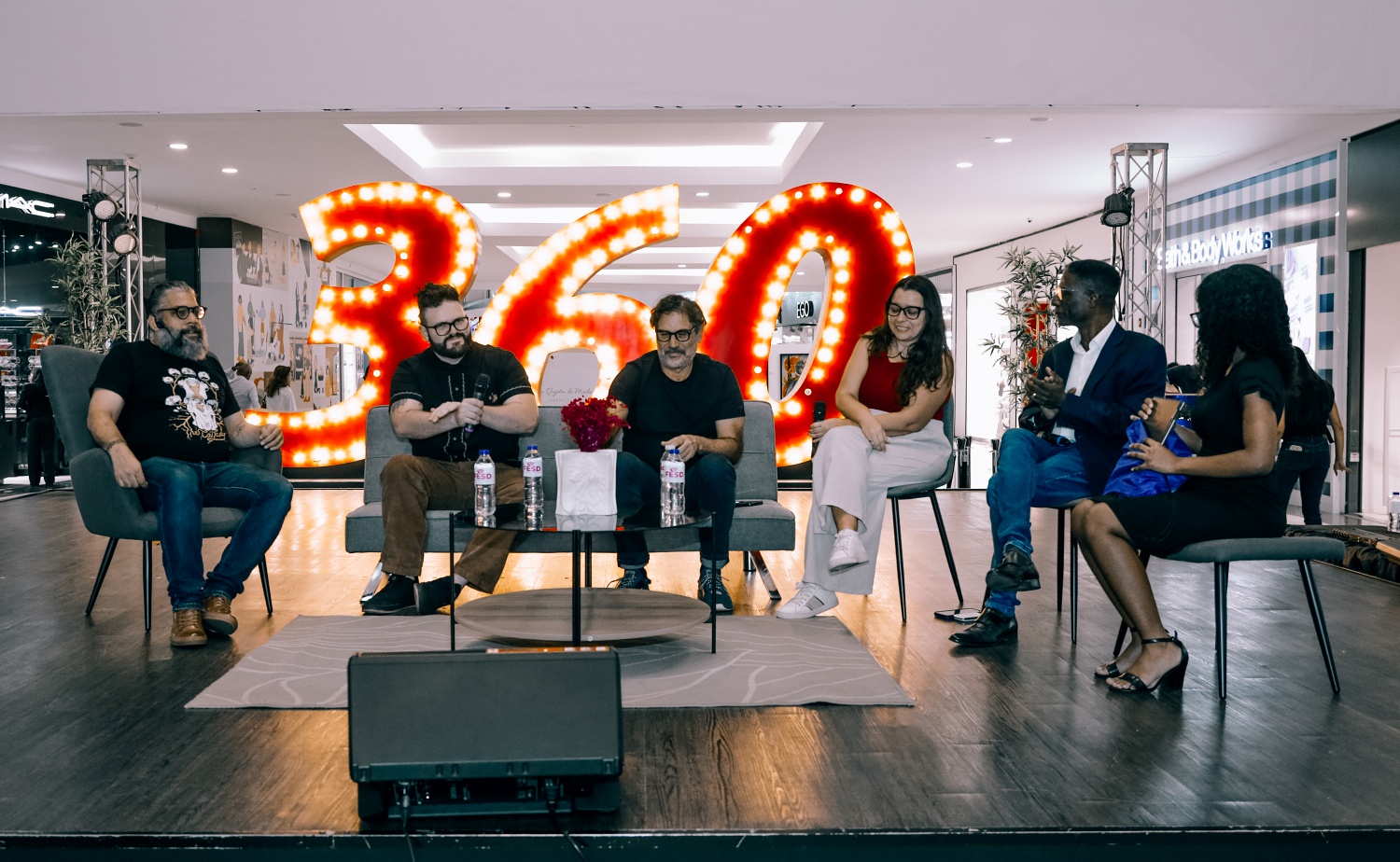
The fourth edition of the Dominican Writing Festival drew to a close on Sunday in Santo Domingo, wrapping up two days of dynamic dialogue, professional networking, and collaborative progress that solidified its growing role as a central hub for Caribbean literary communities. Held on April 25 and 26 at Santo Domingo’s Galería 360, the 2026 gathering brought together over 50 cross-sector literary stakeholders—including writers, independent publishers, academics, booksellers, and literary agents—from across the Caribbean: the Dominican Republic, Haiti, Cuba, Puerto Rico, and Venezuela. Over the course of the event, participants took part in panel discussions, author readings, live performances, and industry exchange sessions that addressed both the creative cultural work and practical business challenges shaping regional literature today.
This year’s programming centered on a persistent, pressing question that echoed through every session: How can Caribbean literary markets, fractured for decades by geographic distance, language divides, and underdeveloped distribution infrastructure, build stronger interconnected networks? In his opening remarks, Rafael José Rodríguez Pérez, president of Río de Oro Editores and co-founder of CuentaRD, called for intentional, cross-border cooperation among publishers and expanded access to Caribbean literary works across the region. Festival founder Roxanna Marte framed the gathering as a core component of a larger movement to nurture a robust, self-sustaining regional literary ecosystem—and this year, that collaborative vision moved beyond words to tangible action.
Organizers announced new book distribution partnerships with Puerto Rico’s Editorial Pulpo, and organized structured business matching sessions that connected independent publishers, regional distributors, and working authors directly. These practical industry-focused initiatives have become an increasingly central pillar of the festival’s mission, distinguishing it from traditional literary gatherings.
The roster of featured participants reflected the region’s diverse literary landscape: Puerto Rican publisher Carlos A. Colón, Haitian writer Jacques Alix Louis, and Dominican authors Miguel Yarull, Manuel Chapuseaux, Ingrid Luciano, Clara Morel, Jhak Valcourt, Bismar Galán, Celestino Esquerré, and Siddharta Mata were among the creative voices in attendance. Academic contributors including Keturah Nichols, Rosa Calosso, Meaghan Coogan, María Carla Picón, and Ibeth Guzmán led conversations that tied literary production to broader regional conversations around history, identity, and cultural politics.
Unlike earlier iterations that followed a more conventional literary festival format, the 2026 edition deliberately expanded its scope to act as a platform for critical debate and intentional industry-building. Panels delved into timely, cross-cutting themes including transnational migration, Afro-diasporic identity, colonial legacy, and digital humanities. The special dialogue *Haiti in Words: Identity, Resistance and Hope in Literature* centered the urgent need for deeper cultural exchange between Haiti and the Dominican Republic, a historically divided neighboring nation.
Adding Venezuela as an official participating country extended the festival’s regional reach, with dedicated sessions exploring diaspora writing and displacement, such as the panel *Reading a New Country* featuring authors Siddharta Mata and Aída Magallanes. A standout session titled *From Paper to Screen* explored the expanding opportunities to adapt Caribbean literary works for film and stage, highlighting growing global demand for Caribbean stories outside of the publishing sector. A roundtable focused on cross-sector alliances between publishers, distributors, and local bookstores—bringing together stakeholders including Mary Claudia Pérez, Víctor Vidal, Francis Santos, and Luis Reynaldo Pérez—returned to the festival’s core theme, brainstorming solutions for independent Caribbean publishers to build stronger collective markets through collaboration, rather than competition.
Beyond industry-focused work, the festival also featured inclusive programming for audiences of all ages, including dedicated children’s literature sessions, public poetry readings, theatrical performances, and live music, showcasing the event’s broader cultural impact across the Dominican Republic. During the closing ceremony, organizers awarded honors to María Carla Picón, Ibeth Guzmán, and Claudio Pérez for their decades-long contributions to Caribbean literary and editorial work. The ceremony also included a tribute to foundational Caribbean literary figures Julia de Burgos, Aída Cartagena Portalatín, and Teresa de la Parra.
Four editions in, the Dominican Writing Festival has evolved far beyond a simple showcase for new literary work. This year’s gathering made clear that the event is now a driving force shaping the future of Caribbean publishing, as much as a space to celebrate the region’s rich existing literary legacy.