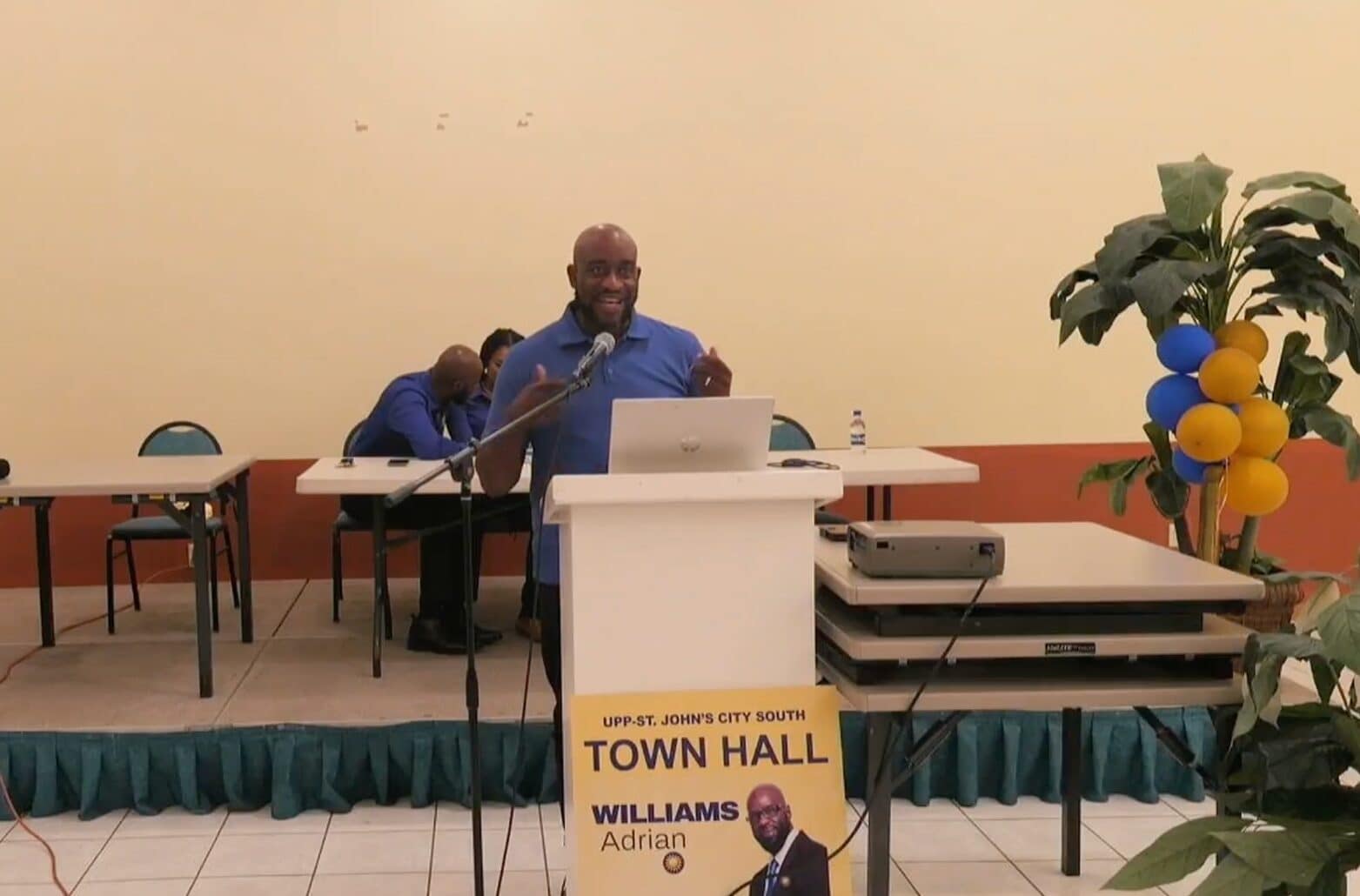
In a recently aired public address that has drawn widespread attention across the twin-island nation, Education Minister Daryll Matthew Azille has publicly acknowledged the extraordinary strides Antigua and Barbuda has made in expanding access to and improving the quality of its national education system, while also stressing that critical gaps remain to be addressed to meet the evolving needs of 21st-century learners.
Azille made the remarks during a televised engagement that was streamed widely across social media platforms, allowing residents across both main islands and the diaspora to tune in to the update on education policy. The minister pointed to a series of tangible wins over recent years, including a significant rise in primary school enrollment rates that have nearly reached universal access, major infrastructure upgrades to aging school facilities that once posed safety risks to students, and the introduction of new scholarship programs that have opened up post-secondary education opportunities for hundreds of low-income and first-generation college students.
He also highlighted the progress made in training new cohorts of qualified teachers, a reform that has helped reduce long-standing staff shortages in rural and underserved communities across the country. These gains, Azille noted, have not come without sustained investment and collaborative effort from government agencies, education stakeholders, non-profit partners, and international donor organizations that have supported the nation’s education reform agenda.
Despite these “tremendous” gains, which the minister emphasized should not be overlooked, Azille made clear that the work to build a world-class, inclusive education system is far from over. He outlined several key priority areas that require continued focus and additional investment moving forward. Among the most pressing challenges are the need to integrate modern digital learning tools into every classroom, address persistent achievement gaps between students from different socioeconomic backgrounds, and expand vocational training programs to align the education system with the growing needs of Antigua and Barbuda’s key economic sectors, particularly tourism and hospitality, renewable energy, and digital services.
Azille also called for continued collaboration between all stakeholders, saying that transforming education is a collective responsibility that requires buy-in from policymakers, educators, parents, and private sector leaders to ensure that every child in Antigua and Barbuda has the opportunity to develop the skills they need to thrive in a rapidly changing global economy. The address comes as the government prepares to release its new five-year national education strategy, which is expected to outline concrete funding commitments and policy targets for the sector over the coming term.