On a high-stakes diplomatic gathering held at the White House Oval Office on Wednesday, U.S. President Donald Trump announced a critical breakthrough: Lebanon and Israel have agreed to extend their existing bilateral ceasefire for an additional three weeks, keeping a fragile pause in hostilities that was set to expire this Sunday. The announcement followed a second round of U.S.-facilitated negotiations that brought together Israeli ambassador to the U.S. Yechiel Leiter and Lebanese ambassador to the U.S. Nada Moawad, with senior U.S. officials including Vice President JD Vance, Secretary of State Marco Rubio, and U.S. ambassadors to Israel and Lebanon Mike Huckabee and Michel Issa also in attendance.
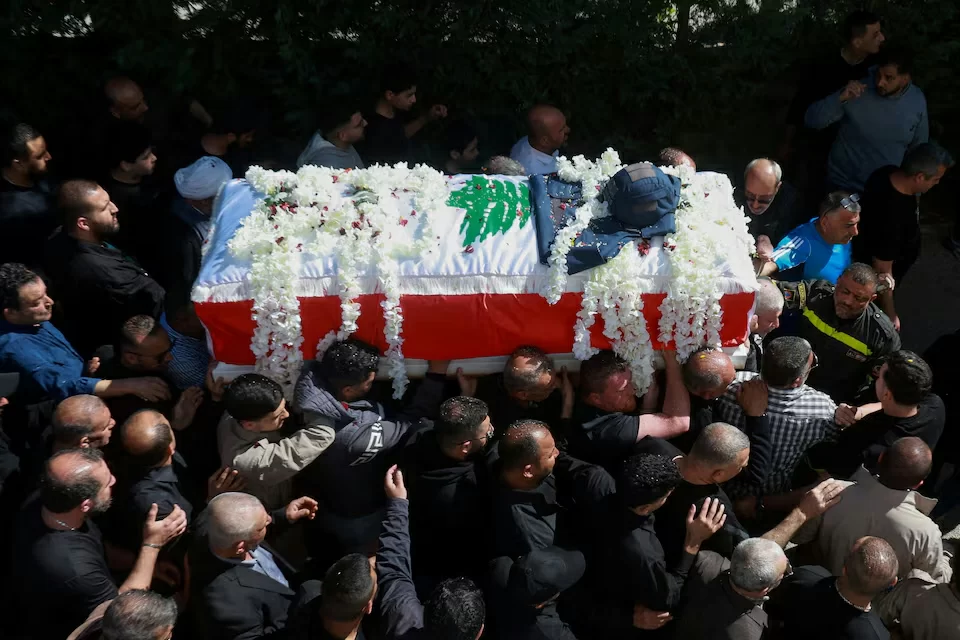
The negotiations come on the heels of a sharp escalation in cross-border violence that marked the deadliest day for Lebanon since the initial April 16 ceasefire took effect. On Wednesday, Israeli airstrikes across southern Lebanon killed at least five people, among them Amal Khalil, a journalist working for Lebanese newspaper Al-Akhbar. Khalil’s coffin was carried by mourners during her funeral in Baisariyeh, drawing global attention to the persistent human cost of the ongoing conflict. The Lebanese Ministry of Health confirmed three additional civilian deaths, including injuries to a child, while the Israel Defense Forces reported it killed two armed individuals it said approached its positions in a threatening manner. The IDF has launched an investigation into the incident that wounded two journalists, emphasizing it does not target journalists as a matter of policy.
In a post published to his social platform Truth Social shortly after the meeting, Trump called the gathering “very productive” and outlined the U.S.’s next steps: “The United States will work alongside Lebanon to help protect the country against Hezbollah.” The Iran-aligned armed group Hezbollah, which has been engaged in open conflict with Israeli forces, was not invited to the Washington talks. The organization has repeatedly reiterated its right to resist what it terms Israeli occupation, and while a Hezbollah member of parliament stated the group supports extending the ceasefire on the condition Israel fully adheres to its terms, Hezbollah maintains its opposition to direct negotiations with Israel and has called on the Lebanese government to cut all contact with the Jewish state.
Trump struck an optimistic tone about long-term peace prospects, telling reporters there is a “strong chance” that a permanent peace deal between Lebanon and Israel can be reached within the 21-day extension period. He added that he hopes to host Israeli Prime Minister Benjamin Netanyahu and Lebanese President Joseph Aoun for direct talks in Washington in the near future. As part of his push for broader normalization, Trump called on Lebanon to repeal longstanding anti-normalization laws that ban official contact with Israel, asking reporters “Is it a crime to talk to Israel?” and claiming he would ensure the legislation is scrapped “very quickly.”
Following the announcement, Ambassador Moawad thanked Trump for his administration’s mediation, saying “With your help and support, we can make Lebanon great again.” According to a senior Lebanese official, Beirut’s core priorities in the next phase of negotiations will be securing a full Israeli withdrawal from occupied southern Lebanese territory, the return of all Lebanese detainees held by Israel, and formal demarcation of the shared Israel-Lebanon land border. On the Israeli side, officials have made clear they seek cooperation from the Lebanese government to disarm Hezbollah, a process the Lebanese government has been pursuing peacefully for roughly a year. Trump did not share details of what U.S. assistance to Lebanon would entail, but reaffirmed Israel’s inherent right to defend itself against Hezbollah attacks.
The current escalation of tensions between Israel and Hezbollah dates back to March 2, when the group launched large-scale cross-border fire in solidarity with Iran amid the broader regional conflict. Since Israel launched its counter-offensive that same month, Lebanese authorities report nearly 2,500 people have been killed in the fighting. Israel currently maintains a 5 to 10 kilometer deep buffer zone inside southern Lebanon, a deployment it says is necessary to protect northern Israeli communities from rocket and ground attacks by Hezbollah, which has fired hundreds of projectiles into Israeli territory since the conflict resumed. The IDF has repeatedly warned Lebanese civilians against entering the occupied buffer zone, even as scattered clashes and airstrikes continue to claim lives despite the initial ceasefire.
The ceasefire extension comes as part of the Biden administration’s (note: correction, this is the Trump administration per original text) – the Trump administration’s broader diplomatic push to de-escalate regional tensions tied to the ongoing standoff with Iran, which has called for Hezbollah to be included in any broader regional ceasefire agreement. While violence has dropped dramatically since the first ceasefire took effect, intermittent clashes have persisted, leaving the fragile new extension hanging in the balance as both sides prepare for the next phase of negotiations.