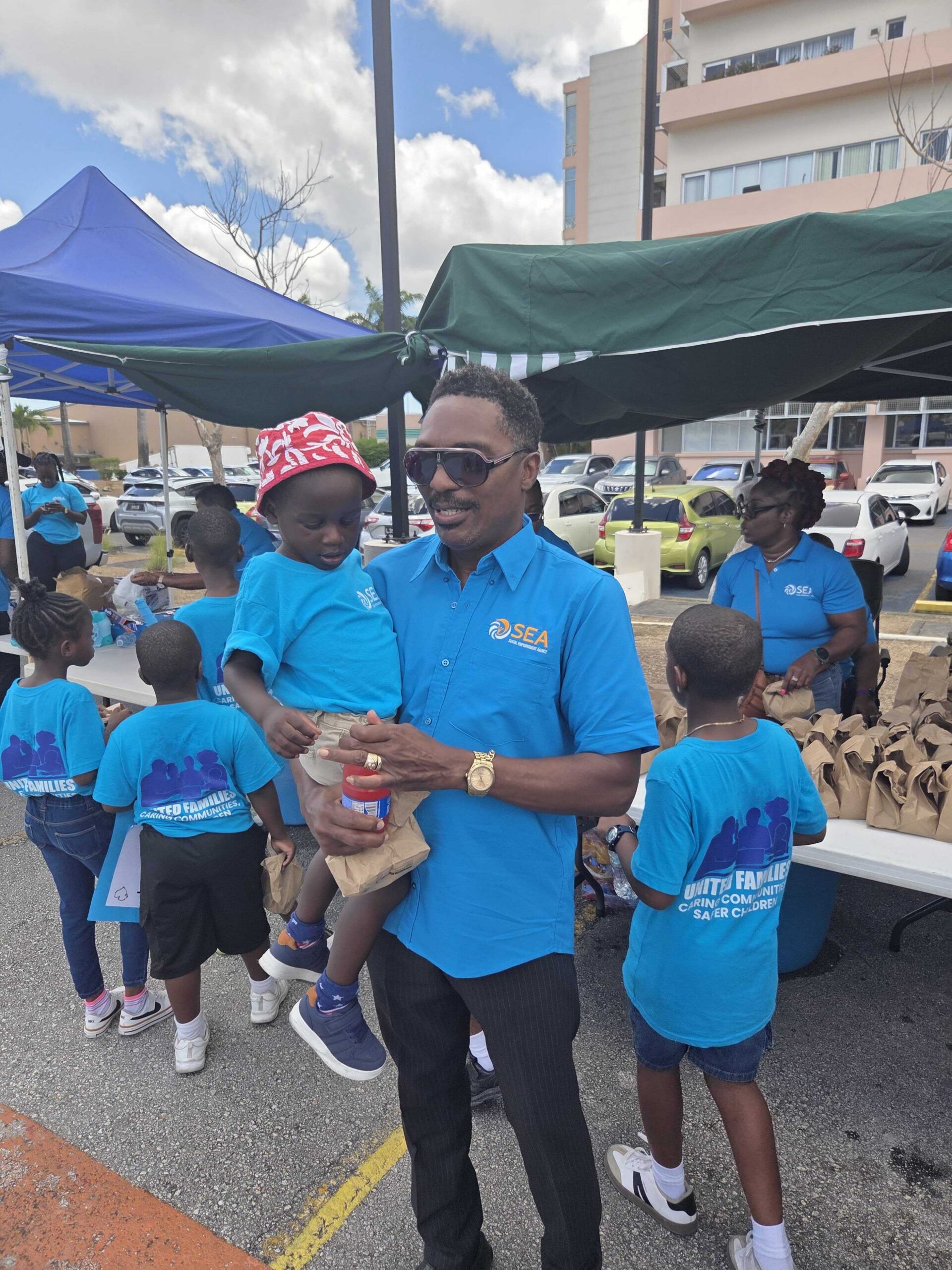
In a public briefing this week following the passage of new elder abuse legislation in Barbados’ Parliament, Social Services Minister Adrian Forde has issued a urgent, nationwide call for all Barbadians to serve as the frontline “eyes and ears” for child protection, clarifying that mandatory abuse reporting requirements have long been codified in the nation’s laws, and are not a new provision limited to the recently passed elder protection act.
Speaking exclusively to Barbados TODAY, Forde outlined that the government is currently rolling out three landmark pieces of protection legislation covering vulnerable groups across the island – children, elder adults, and domestic abuse survivors. In the wake of public confusion sparked by the passage of the new elder abuse law this week, the minister took the opportunity to clear up widespread misinformation: similar mandatory reporting obligations already exist in existing child protection and domestic violence statutes, and the responsibility to safeguard at-risk community members does not fall solely on professional caregivers.
Forde explained that while current law already requires designated professionals, particularly those working in healthcare and child services, to report suspected cases of abuse – with legal penalties for non-compliance – the government is now launching a broad public sensitization campaign to expand awareness of existing obligations among the general population.
Under Barbados’ current child protection legislation, legal accountability is clearly established for any adult with custody, charge or ongoing care of a child. The law covers both intentional harm and failure to provide the basic care a child needs to thrive, and criminalizes a wide spectrum of abusive or neglectful actions. This includes direct physical or emotional abuse, exposing children to dangerous or harmful environments, failing to shield children from external threats, abandonment, desertion, chronic neglect, and any pattern of mistreatment. In essence, any action or inaction that leaves a child in need of formal state protection qualifies as a criminal offense under the law.
Legal penalties for violations are intentionally steep to reflect the gravity of child cruelty. Offenders convicted through summary proceedings face a fine of up to $100,000, a 10-year prison sentence, or both. Crucially, the law imposes a proactive duty on caregivers to prioritize child safety, meaning that inaction when a child is in danger carries the same legal consequences as committing an intentional act of abuse.
To address public concerns about wrongful reports, Forde emphasized that good-faith reports made by community members carry no legal risk. “If you make a report and it turns out your observation was incorrect, there are no repercussions. You will not face legal action,” he confirmed.
When asked about unaddressed gaps or perceived “grey areas” in the current legal framework for child and vulnerable person protection, Forde acknowledged that no legislation is perfect from its rollout, and committed that the government will remain agile to adjust rules as implementation progresses. After the three landmark protection acts are fully enacted and rolled out, the government will collect on-the-ground data and feedback to identify areas for revision.
“If additional protections are needed to address unforeseen edge cases or gaps, regulatory adjustments will be made to address those idiosyncrasies,” Forde said. “We are a listening government. We do not claim to be perfect. We will not get everything 100 percent right on the first attempt, but once we identify areas for review after rolling out the legislation, that is exactly what this government will do.”
Closing his remarks, the minister struck a somber but resolute tone on the necessity of these strengthened protection measures. He acknowledged that the government would prefer to operate in a world where such strict protective legislation is completely unnecessary, but current societal realities require a firm legal foundation to safeguard vulnerable groups.
“The journey of a thousand miles begins with a single step,” Forde noted. “As a government, we would far prefer not to bring Barbadians to court for violating legislation designed to protect the basic human rights of children. We would welcome a day when we no longer need this legislation at all – because that would be a day when there is no abuse. But we do not live in a perfect world.”
Once all three protection laws are fully implemented, the government will conduct a full review of the framework based on real-world data and community feedback, and commit to taking targeted action to close any gaps that emerge.