In its 2025 annual global human rights assessment published Tuesday, Amnesty International has identified Israel, Russia, and the United States as the primary actors responsible for a dramatic erosion of fundamental human rights protections across the globe. The leading global human rights organization has labeled the three nations’ top leaders — Israeli Prime Minister Benjamin Netanyahu, Russian President Vladimir Putin, and US President Donald Trump — as “greedy predators” that pursue economic and political dominance at the direct expense of core human freedoms.
Amnesty Secretary-General Agnes Callamard told reporters at a London press briefing that the fragile international order painstakingly constructed in the aftermath of World War II suffered sharp, destructive reversals over the course of 2025. “A global environment where primitive cruelty can flourish has been building for a long time,” Callamard said, warning that the deterioration of rights protections has reached a critical tipping point.
Callamard criticized the global community’s muted response to these power holders, noting that most governments have chosen to appease rather than confront the three major nations accused of widespread abuses. She further cautioned that a growing number of countries have even begun to replicate the authoritarian and rights-violating behavior of these major powers. Spain was singled out as a rare exception, recognized for its open, unflinching criticism of Israeli military operations in Gaza and joint US-Israeli attacks on Iran.
The 100+ page report devotes extensive coverage to three major conflict zones where international law has been systematically discarded: the ongoing Israeli campaign in Gaza that Amnesty classifies as genocide, Russia’s ongoing commission of crimes against humanity in Ukraine, and the escalating military confrontation against Iran led jointly by the US and Israel. Beyond these high-profile conflicts, the report documents a global rise in authoritarian governance and widespread violations of civilian rights in dozens of nations.
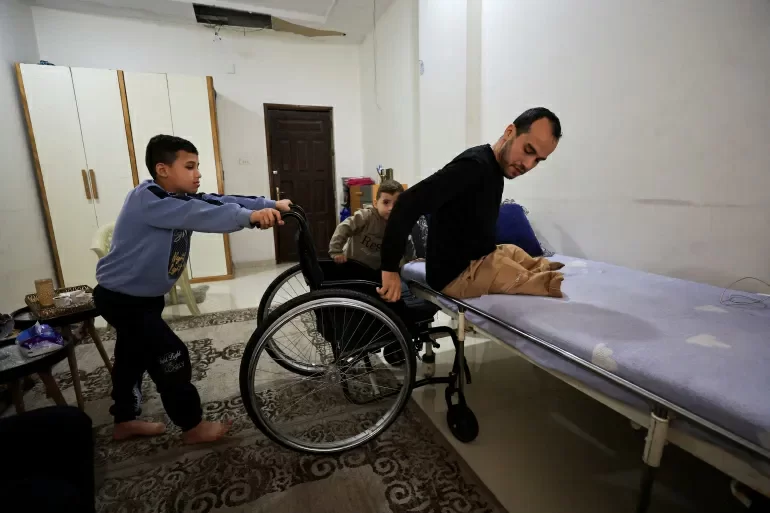
Notable examples of ongoing abuses cited include systematic exclusion of women from education and employment by the Taliban regime in Afghanistan, inadequate investigations into gender-based violence against Dalit women in Nepal, and heavy-handed government repression of pro-Palestinian solidarity movements in the United Kingdom. The report lays out devastating human costs of the ongoing crises: since Israel launched its military campaign in Gaza in October 2023, more than 72,500 people have been killed in Israeli airstrikes, with over 40,000 more suffering life-altering, permanent injuries. In Ukraine, more than 15,000 civilians have been killed since Russia’s full-scale invasion began, while broader regional conflicts across the Middle East have left tens of thousands dead and millions forcibly displaced from their homes.
Callamard emphasized that these ongoing wars and mass atrocities are rooted in a shifting global norm that has normalized violence against civilian populations, adding that no meaningful, effective action has been taken to hold Israel accountable for its repeated violations of international human rights standards. Despite the grim overall assessment, the report also identifies glimmers of progress that offer cautious hope for the future. These include widespread mass protests against human rights abuses and war crimes held across the globe, the growing number of nations backing South Africa’s genocide case against Israel at the International Court of Justice, and ongoing legal action by the International Criminal Court targeting accused perpetrators including former Filipino leaders and Taliban commanders.