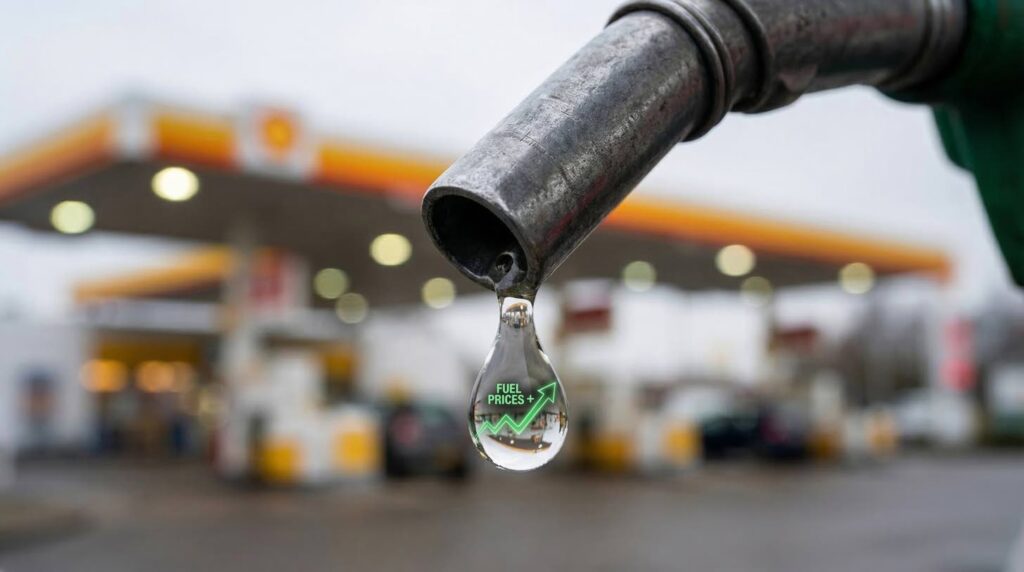
Geopolitical tensions centered on the Iran conflict have sent shockwaves through global energy markets, and those disruptions are now rippling into Jamaica’s domestic economy, driving steep increases in electricity and transportation costs and reversing two months of falling inflation in March.
New official data published Wednesday by the Statistical Institute of Jamaica (Statin) shows the All-Jamaica Consumer Price Index (CPI) rose 0.3% in March, ending the consecutive declines recorded in January and February as elevated energy costs pushed up overall household expenses. The uptick was overwhelmingly driven by a 2.3% jump in the housing, water, electricity, gas and other fuels index, which stemmed directly from a sharp 5.1% surge in local electricity tariffs. Transport costs also climbed 0.6% for the month, fueled almost entirely by rising retail petrol prices.
These domestic price shifts trace back to extreme volatility in global crude markets, where the ongoing Iran-related conflict has disrupted shipping operations through the Strait of Hormuz — the strategically critical chokepoint that transports approximately 20% of the world’s daily oil supply. The reduced access to key shipping lanes has tightened global crude availability and pushed benchmark prices sharply higher in recent weeks.
For Jamaica, which depends almost entirely on imported fossil fuels for both power generation and transportation, the impact of global price hikes is felt almost immediately. Higher international crude costs pass directly through to domestic fuel prices and utility bills, creating immediate cost-of-living pressure for Jamaican households and squeezing margins for local businesses.
To soften the blow of volatile price swings for consumers, Jamaica implements weekly fuel price adjustments that are currently capped at a maximum increase of $4.50 per litre. Energy Minister Daryl Vaz confirmed Wednesday that the government is currently re-evaluating whether this cap remains sustainable amid the ongoing global price surge, though no final decision has been announced. The ongoing review has opened the door to the possibility of far larger retail fuel increases in the near future if the cap is lifted.
Policymakers are also exploring a wider range of emergency measures to mitigate the economic impact of sustained high oil prices, including potential policy interventions to cut domestic fuel consumption. Vaz noted that movement restrictions similar to those implemented during the COVID-19 pandemic are even on the table if global price pressures continue to escalate, underscoring the severity of the challenge posed by this external economic shock.
Weekly fuel price updates released Wednesday brought only marginal relief for consumers, with both gasoline and diesel prices falling by roughly $0.25 per litre after multiple consecutive weekly increases. The tiny adjustment does little to offset the cumulative gains of recent weeks, and serves as further evidence of persistent upward pressure in global oil markets, with the government’s cap still preventing far steeper retail price jumps that would occur under unregulated pricing.
Since the start of 2024, Jamaican fuel prices have already risen by as much as 20%, driven by weekly maximum increases of around $4.50 throughout March that added more than $21 to total pump prices in just over a month, as global markets reacted to escalating Middle East tensions.
The overall March inflation figure would have been far higher if not for an unexpected drop in domestic food prices, which helped offset the energy-driven gains. The food and non-alcoholic beverages index fell 0.6% month-over-month, led by a 4.9% drop in prices for vegetables and staple agricultural products including tomatoes, cabbage, carrots and Irish potatoes.
Even with this monthly decline, however, food prices remain significantly elevated on an annual basis. Over the 12 months ending in March, the food price index rose 5.6%, making food one of the largest contributors to Jamaica’s overall long-term inflation alongside housing-related costs.
Point-to-point inflation, the key 12-month measure of broad price increases, hit 4.3% in March, up from 3.9% recorded in both January and February. The uptick signals that inflationary pressures are reaccelerating after a period of gradual easing in prior months.
Beyond energy and food, Statin’s data also shows early evidence of broadening cost increases across nearly all sectors of the Jamaican economy. The index for insurance and financial services jumped 5.3% in March, driven largely by higher motor vehicle insurance premiums, while healthcare costs rose 0.5% and communication services increased by 0.8% for the month.
This broadening of price increases points to early signs of second-round inflation effects, where the initial jump in fuel and electricity costs is starting to be passed through to prices for other consumer goods and services across the economy.
While overall inflation remains at moderate levels so far, the return of energy-driven inflation creates a far more complex challenge for Jamaican policymakers. Unlike food prices, which often shift based on local domestic harvest and supply conditions, energy prices are almost entirely determined by global market dynamics and geopolitical developments outside of government control.
With Middle East tensions continuing to disrupt global oil flows and keep benchmark prices elevated, the risk remains that higher energy costs will continue to filter through the Jamaican economy in the coming months, placing renewed and sustained pressure on household cost of living.