Regional education leaders and public health specialists issued an urgent warning Tuesday: teacher burnout across the Caribbean has reached crisis levels, and without systemic overhaul, the region could soon face a catastrophic shortage of qualified educators.
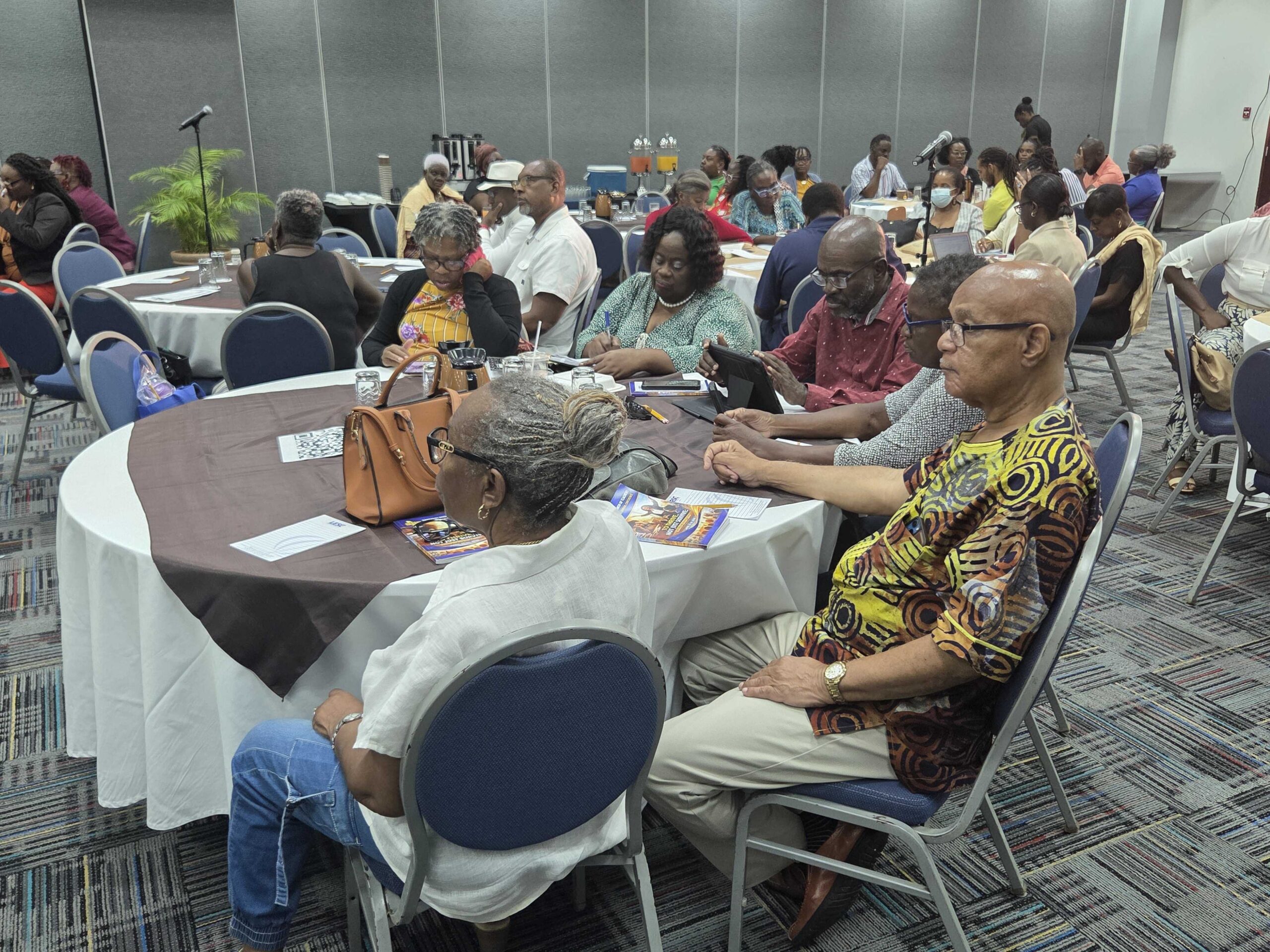
The alarm was sounded during the fifth annual Caribbean Teachers Talk conference, hosted at the Lloyd Erskine Sandiford Centre in Barbados, where hundreds of educators, union representatives and health experts gathered to unpack what attendees have called a pervasive ‘burnout culture’ that is steadily driving educators out of the profession. What once was framed as an individual challenge of personal resilience has now evolved into a systemic threat that undermines the entire Caribbean education ecosystem, speakers confirmed.
Backed by the Barbados Union of Teachers (BUT), the conference carried the theme ‘To Thrive, Not Just Survive’ — a framing that balanced recognition of small recent wins, including the reinstatement of formal term vacation leave, with a blunt assessment that major structural change remains far out of reach. Opening the conference, BUT President Rudy Lovell pushed back against the long-held cultural narrative that relentless self-sacrifice is the defining mark of a good educator. He noted that the current education system disproportionately rewards teachers who push through extreme exhaustion, but warned that this unspoken endurance test is inherently unsustainable.
‘Burnout is not a badge of honour, it is a signal,’ Lovell told attendees. ‘It is a signal that something in the system, in the expectations placed on teachers, or even in the story we tell ourselves about what makes a good educator needs to change. The simple truth is this: you cannot pour into young minds when your own cup is running dry.’ Lovell called on educators to reframe their professional identity, replacing the expectation of constant depletion with a focus on ‘sustainable energy’ and normalizing the right to set clear work-life boundaries without feelings of guilt.
Kim Belle, Permanent Secretary of Barbados’ Ministry of Education Transformation, acknowledged that the demands of 21st-century teaching have shifted dramatically beyond traditional lesson delivery and grading. Today’s educators are expected to serve as mental health counsellors, mentors, and steady pillars of support for students facing socioeconomic instability, roles that add massive uncompensated emotional strain to their daily workload. Belle, a trained human resources professional, emphasized that teacher wellness is now a central pillar of the government’s national education reform agenda. She pointed to the April 1 reinstatement of formal term vacation leave as a direct policy response to educators’ growing need for dedicated time to recharge mentally and physically.
‘Excellence does not mean constant self-sacrifice, it means sustainability. It means showing up consistently, not working until you are completely exhausted,’ Belle told the audience. ‘You must give yourself permission to set realistic daily goals. Accept that some tasks can wait until tomorrow. And recognize that doing your best does not mean doing everything.’ She encouraged educators to take advantage of the public service’s existing Employee Assistance Programme, which provides three free confidential counselling sessions annually for public workers and their dependents, and confirmed that findings from a recent human resources survey will be used to design more targeted, customized support systems for teachers moving forward.
In one of the conference’s most pointed presentations, workplace health and wellness physician Dr Renee Boyce, who opened up about her own personal experience with occupational burnout, broke down the underrecognized physical and financial toll that unmanaged stress takes on educators. Dr Boyce explained that burnout often mimics serious physical illness, leading many teachers to seek costly medical care — including specialist consultations, blood work, and even CT scans for persistent chronic headaches — before the root cause of their symptoms is correctly identified as work-related stress.
Beyond direct medical costs, Dr Boyce noted that many teachers turn to unhealthy coping mechanisms such as emotional retail spending and increased alcohol use to manage unaddressed stress, adding further financial and physical strain. Citing the World Health Organization’s formal classification of burnout as an occupational phenomenon, she clarified that burnout does not emerge from ordinary work stress: it develops when chronic workplace stress goes unmanaged systemically. ‘Wherever there is work, there will be stress. The problem arises when that stress is never properly addressed,’ she explained.
Dr Boyce shared startling new data showing that nearly 50 percent of Caribbean teachers already report physical symptoms of unmanaged stress, including chest pain, chronic insomnia, and gastrointestinal disorders. She warned of a clear inverse correlation: as teacher stress levels rise, the number of educators planning to leave the profession increases directly. To reverse this trend, she called for the introduction of formal ‘protected hours’ dedicated exclusively to lesson planning and professional development, to eliminate the widespread expectation that teachers must work late into the night to meet their job requirements.
As the conference drew to a close, the unified message from attendees, union leaders and government officials was clear: the long-term survival of the Caribbean education system depends on prioritizing the health and well-being of the educators that power it. Dr Boyce summed up the stakes for the region: ‘There is coming a time if change does not happen where we will have students to teach and no teachers to teach them,’ she said.