Following an alarming disclosure from the Barbados Union of Teachers (BUT) that children and adolescents make up 40 percent of all incoming contacts to the country’s national mental health helpline, leading local mental health practitioners and academics are pushing for immediate systemic change, urging a shift from remote digital support to dedicated in-person “safe spaces” for vulnerable young people.
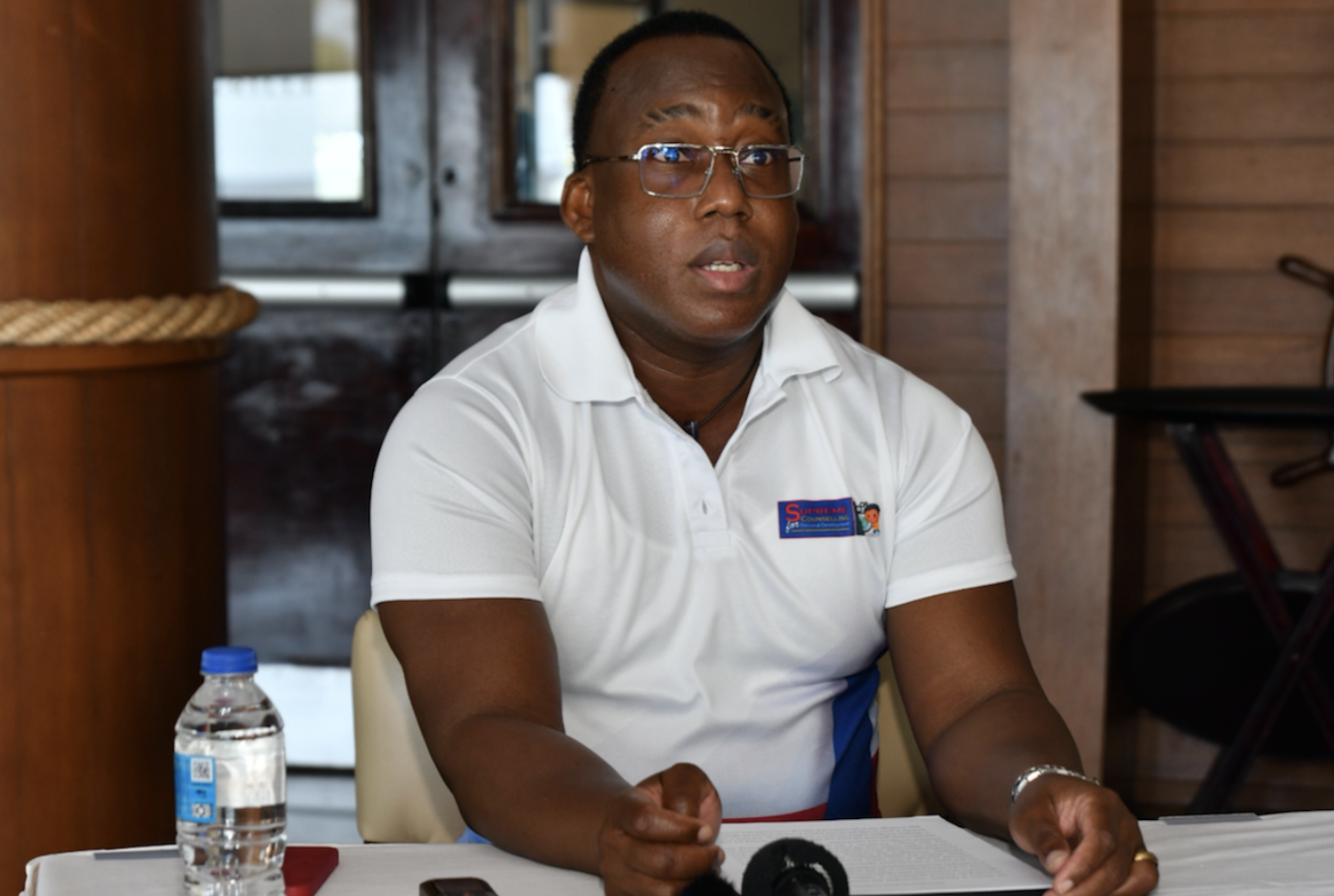
Shawn Clarke, chief executive officer of Supreme Counselling for Personal Development, and Dwayne Devonish, a behavioral scientist and lecturer at the University of the West Indies Cave Hill Campus, have both drawn attention to a critical tension at the heart of the current mental health landscape: while the surge in youth calls signals a promising generational shift toward greater openness about mental distress, existing support infrastructure is at severe risk of being overwhelmed by unmet demand.
Clarke framed the 40 percent statistic as a clear double warning. On one hand, it reveals that a large share of Barbados’s young population is grappling with unaddressed mental distress; on the other, it demonstrates that today’s youth are far more self-aware and willing to seek support than previous generations. He explained that many young people first turn to anonymous hotlines because of the comfort that anonymity offers, but that this accessibility comes with significant tradeoffs.
“It tells me that we have a cohort of young people who know something is wrong, who know they are not functioning the way they should, and who are ready to reach out for help,” Clarke said. “The nature of a hotline means you talk to someone you never meet, which tells me that while they want help, many are not yet ready for face-to-face one-on-one support from an in-person professional.”
Clarke emphasized that while the national hotline serves as an invaluable first point of contact for at-risk youth, the long-term goal of Barbados’s mental health system must be to build trusted physical environments where young people feel secure enough to pursue in-person therapeutic intervention. “I am glad young people are reaching out, but as a society we have to go a step further,” he added. “We need dedicated physical safe spaces staffed by trusted adults who can hold these face-to-face conversations and deliver the ongoing in-person support young people need to work through their struggles.”
When asked about the root causes driving the surge in youth mental health distress, Clarke pointed to a wide range of interconnected challenges, from intense academic pressure to pervasive community violence that creates a constant backdrop of stress across the island. He noted that the still-developing brains of children and adolescents are far more susceptible to chronic societal stress than those of adults. “Many young people face bullying that they cannot cope with, and many live in constant fear of the violence unfolding around them,” he explained. “Every day brings news of another shooting, another killing. These events weigh on adults, so imagine how they impact young, developing impressionable minds.”
These stressors, Clarke added, create measurable disruptions in academic performance, with mental health struggles often showing up in the classroom as difficulty concentrating, disengagement, or sudden angry outbursts. “If a child is dealing with crisis at home – whether that’s food insecurity, a sick parent, or chronic stress at home – they will zone out in class. When things go wrong, anger is the easiest, fastest emotion people reach for, so it is common for struggling young people to lash out. A depressed child cannot focus on schoolwork, full stop,” he noted.
Devonish offered a complementary perspective, framing the 40 percent statistic not just as a sign of deep crisis, but also as evidence of a positive cultural shift around mental health awareness in Barbados. He explained that younger generations have actively broken down the social taboos that stopped previous generations from speaking openly about mental distress and seeking help. “Young people today are far more willing to seek support than older generations were in decades past,” he said. “Higher call volumes don’t just mean more young people are struggling – it also means there is far more openness around mental health, and young people are comfortable reaching out instead of turning to maladaptive or destructive coping mechanisms. That’s a positive change we should recognize.”
Devonish credited national public wellness policies and widespread social media campaigns with normalizing help-seeking behavior, making it far more accessible and acceptable for young people to reach out for support. He added that the hotline’s popularity itself proves its value, as it delivers the immediate, psychologically safe support that modern students want.
Despite this positive shift, both experts agree that the unprecedented volume of youth demand has exposed critical gaps in Barbados’s current mental health system. Devonish warned that existing professional resources will eventually be outstripped by demand if action is not taken immediately, calling for a rapid expansion of the number of licensed mental health professionals embedded in the national education system. He also issued a strong warning against using unqualified laypeople or artificial intelligence tools as a substitute for trained professional counseling.
“We have to be careful not to direct young people to unqualified providers, because bad advice can have devastating, even fatal consequences,” Devonish said. “We have seen this in other countries, where young people have died by suicide after receiving harmful guidance from unqualified people. We have also seen harm from AI tools – there have already been cases where young people turned to tools like ChatGPT for mental health support, and the outcomes were severely damaging.”
For his part, Clarke called for a cross-sector, collective approach, bringing together professional organizations across the island to support overstretched schools and families. “This is no longer just a school problem, just a problem for the Ministry of Education, or just a family problem – this is everyone’s problem,” Clarke said. “Fixing this requires collective action; we all have to work together. The Ministry of Education cannot solve this crisis alone. We have to come together as one united team to protect and support our young people.”