When natural disasters and humanitarian crises strike, the heightened danger of gender-based violence (GBV) against women and girls is often pushed to the margins of emergency response — a gap that the United Nations Population Fund (UNFPA) is working to close through a new pre-crisis preparedness initiative in partnership with the Barbados government.
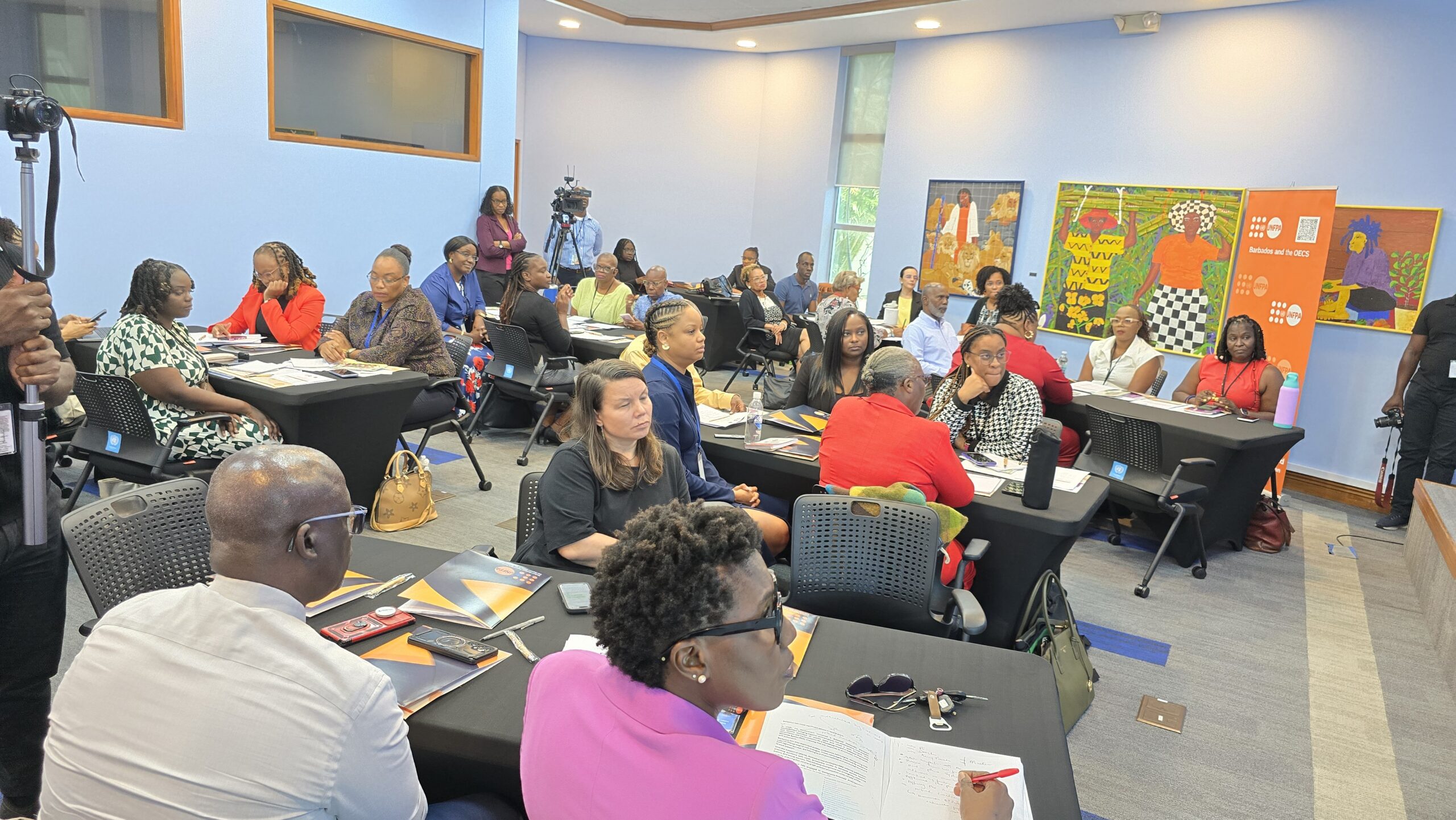
Kicking off Monday at UN House in Hastings, a two-day multi-stakeholder workshop brought together representatives from government agencies, UN bodies, and community organizations to strengthen cross-sector coordination and build robust protection frameworks for vulnerable groups ahead of future disasters. The event is led by UNFPA in collaboration with Barbados’ Bureau of Gender Affairs, centered on a core premise: emergency protection systems cannot be built from scratch when a crisis is already unfolding.
Jenny Karlsen, Deputy Director of UNFPA’s Subregional Office for the Caribbean, told local outlet Barbados TODAY that pre-disaster coordination is critical to preventing GBV response from being deprioritized amid competing emergency needs. “When a disaster hits, immediate priorities like securing clean water and food understandably take the spotlight, but the reality is that risks of gender-based violence spike dramatically in these chaotic, disrupted settings,” Karlsen explained. “Without pre-existing systems in place, protection needs for women and girls are too often overlooked when they are most at risk.”
Over the course of the workshop, participants are mapping coordinated service delivery across government ministries and non-governmental sectors, exploring strategies to center youth input in solution-building, and addressing often-overlooked specific needs of women and girls. One key topic of discussion is integrating menstrual hygiene management into disaster preparedness: the group is working to establish protocols for pre-positioning and distributing sanitary hygiene products to vulnerable communities, a basic need that regularly goes unmet in emergency response.
A major systemic barrier the workshop aims to address is the global and local gap in disaggregated data on disaster-related GBV. Currently, underreporting and weak reporting mechanisms mean experts lack an accurate picture of how many women and girls are affected during crises. Many survivors avoid coming forward to report abuse due to stigma, unsafe conditions, and lack of accessible reporting pathways — challenges that are amplified in the aftermath of disasters. UNFPA’s initiative prioritizes expanding data collection and reforming existing reporting frameworks to make it safer and easier for survivors to seek support.
The gathering also turned attention to an emerging, rapidly growing threat: virtual and online gender-based violence. Karlsen noted that global data shows a steady rise in online abuse against women and girls, and the impacts of this form of violence during disasters are still not fully understood. As part of its global work to address this gap, UNFPA has already rolled out capacity-building workshops to analyze emerging evidence on online GBV, but much remains to be learned about its specific dynamics during crises.
Last year, UNFPA’s Caribbean subregion released research examining online violence against women in public life, which confirmed the trend of rising digital abuse across the region. “Online GBV affects every woman and girl, from young people growing up in a digital world to women in public leadership,” Karlsen said. “Addressing this evolving challenge requires coordinated action across legislation, policy, and public awareness. It is an emerging threat that we can no longer afford to ignore as we build more inclusive, effective disaster preparedness systems.”