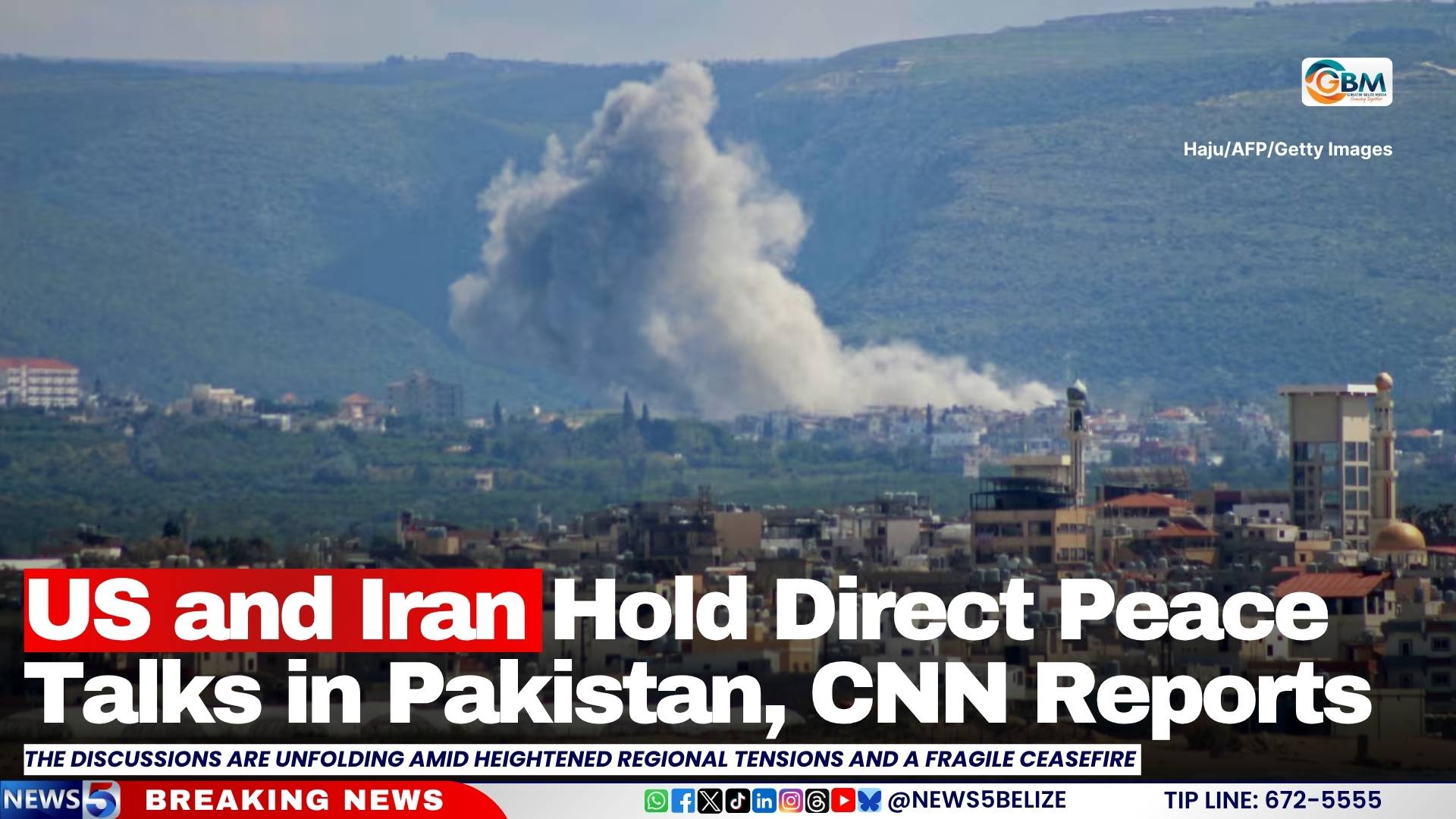
On April 11, 2026, a long-awaited diplomatic breakthrough got underway as senior official delegations from the United States and Iran convened for the highest-level direct face-to-face talks between the two nations in decades, CNN reported. Hosted in Pakistan’s capital Islamabad, the negotiations operate as trilateral discussions with Pakistani officials serving as neutral mediators, ending a years-long stretch of almost exclusively indirect dialogue between Washington and Tehran.
The U.S. delegation is headed by Vice President JD Vance, and counts among its members special envoy Steve Witkoff, Jared Kushner, and a cohort of senior national security and regional policy advisers. A White House official confirmed to CNN that alongside the in-person negotiating team, Washington has deployed a full group of subject-matter experts, with additional backup support operating out of U.S. capital to back the talks. On Iran’s side, state media cited by CNN confirms the delegation totals 71 people, including lead negotiators, technical specialists, media liaisons, and security detail to cover all aspects of the complex discussions.
The opening of the talks comes against a backdrop of soaring regional instability and a fragile, temporary ceasefire between the U.S. and Iran. Even as negotiators sit down in Islamabad, multiple connected flashpoints continue to test the fragile diplomatic push. Most notably, U.S. President Donald Trump announced that his administration has launched a process to “clear out” the Strait of Hormuz, one of the world’s most vital global oil and shipping chokepoints. As of the latest reports, however, the specific scope and actions involved in this process remain undisclosed. Ship tracking data analyzed by CNN shows that a number of commercial vessels, led by Chinese-owned tankers and bulk carriers, have continued regular transits through the strait even amid escalating tensions in the area.
The ongoing unrest has already sent ripples through global commodity markets, most sharply hitting the global fertilizer trade. Since late February, global urea prices have skyrocketed by more than 50%, triggering widespread alarm among U.S. agricultural organizations that warn the spike could cascade into broader disruptions across the international food supply chain. In response, President Trump has issued a warning against price gouging and confirmed that his administration is maintaining close, continuous oversight of fertilizer price movements to mitigate consumer and producer impacts.
Another major sticking point for the broader negotiations sits on the Israel-Lebanon front. In recent days, the Israeli military has continued its large-scale offensive strikes against Hezbollah targets positioned inside Lebanese territory. Israeli defense officials confirmed that the force carried out strikes on more than 200 Hezbollah sites in a single 24-hour period. Tehran has made its position clear: any comprehensive, lasting ceasefire agreement that emerges from the Islamabad talks must include a binding commitment to end all Israeli strikes across Lebanon.
While Israeli officials have so far rejected calls for direct ceasefire negotiations with Hezbollah, they have confirmed that Israel will launch formal peace negotiation talks with the Lebanese government next week, per CNN’s reporting. For his part, Lebanese Prime Minister Nawaf Salam has chosen to postpone a planned official trip to Washington D.C. and the United Nations Headquarters in New York, saying he needs to remain in Beirut to coordinate closely with the country’s leadership amid the fast-moving regional developments.