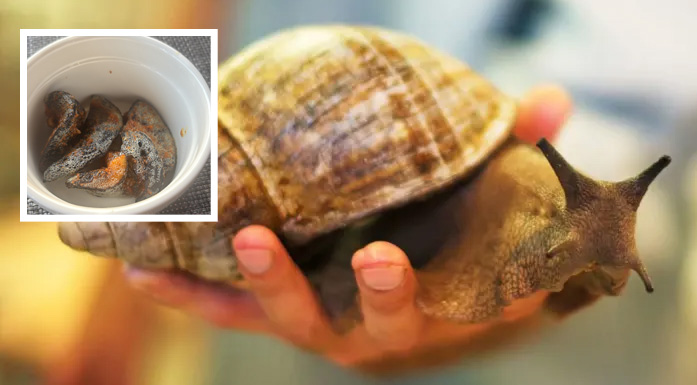
For months, officials in St. Vincent and the Grenadines (SVG) have framed the invasive Giant African Snail as an existential threat to the nation’s agricultural sector, with a three-year, EC$7 million eradication plan already drawn up to counter the pest. But a recent work trip to Nigeria has upended that approach, after SVG’s Agriculture Minister Israel Bruce discovered that the very species destroying local crops is celebrated as a high-value delicacy in West Africa — and he is now calling for the country to pivot from extermination to commercial harvesting.
Bruce laid out his unexpected proposal during a press briefing held in Kingstown on April 7, 2026, opening his remarks by acknowledging the idea would sound unconventional to many. He first reminded attendees that during January’s national budget debate, he had publicly warned of the Giant African Snail’s ability to decimate local agricultural output, a threat that remains active today. After the debate concluded, Bruce presented a formal plan to the SVG Cabinet requesting roughly EC$7 million in taxpayer funding to roll out a three-year eradication campaign, a proposal that has since moved into early implementation.
It was during a visit to Nigeria’s capital Abuja that Bruce stumbled on a radical alternative to culling the snails. Staying at a local hotel, he noticed snails listed on the restaurant menu and grew curious: could this be the same Giant African Snail plaguing his home country? When he asked kitchen staff, their answer confirmed his hunch. Still skeptical, Bruce pulled up a recent photo of a Giant African Snail spotted right on the grounds of SVG’s Ministry of Agriculture, Forest, and Rural Transformation in Kingstown, which he had received that same morning, and asked cooks to verify the match. They confirmed the two were the same species.
On the spot, Bruce ordered a serving of the grilled snail to test it for himself. More than a week after sampling the dish, the minister told reporters he remains in good health, and has drawn a bombshell conclusion from the experience: instead of spending $7 million in public funds to wipe out the snail, SVG could instead turn the invasive population into a profitable commercial industry.
“This is not about me trying snail — it is about what this could mean for our country,” Bruce explained. “Nigerians already consider this meat an expensive delicacy, so why waste millions on baits and eradication when we could harvest these snails, process them following all food safety protocols, and export them to meet existing demand?”
Bruce pointed to existing demographic ties that could lower barriers to entering the market: SVG is already home to a large Nigerian community, and there is an even massive Nigerian consumer base in the United States that could be a target market. Local Vincentian producers, or even Nigerian residents already living in SVG, could build businesses around harvesting, cleaning, packaging and shipping the snails to consumers overseas, he argued.
Acknowledging that some members of the public have reacted with discomfort to footage of him eating the invasive snail, Bruce pushed back on the hesitation, noting that the meat tasted similar to popular local conch when properly prepared. “As long as it is cleaned correctly, processed properly and de-poisoned following safety standards, it is perfectly good for consumption,” he said. “I have been back for a week and I am perfectly healthy, which proves this delicacy could be the key to saving our country millions while generating new income for our people.”