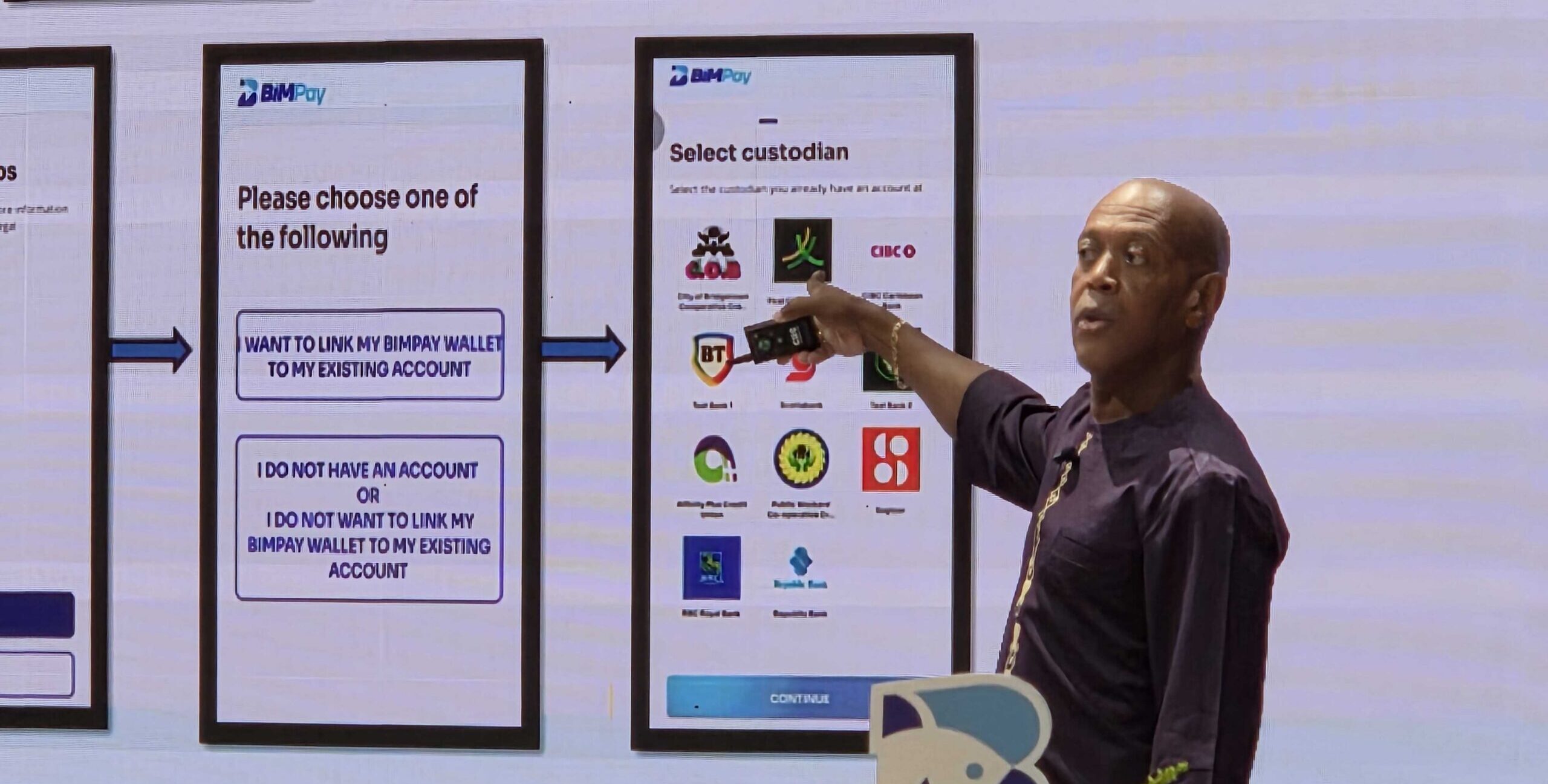
In a major push to expand access to secure digital financial services across the Caribbean island nation, the Central Bank of Barbados has formally launched its long-awaited instant payment infrastructure, BiMPay, a 24/7 platform that enables fee-free transfers and transactions for most personal and small business users. Announced via an official public statement on Tuesday, the new system is engineered to process domestic money transfers in fewer than 10 seconds at any time of day, eliminating the constraints of traditional banking hours that have long slowed down peer-to-peer and commercial transactions. For individual users, the cost structure is designed to remove common barriers to digital payment adoption: no fees will be charged regardless of the transaction type, whether users are splitting a bill with friends, paying for everyday retail goods, or sending funds to family. Users can also choose their preferred access point, accessing the service through their existing bank’s mobile banking application or a standalone, account-linked BiMPay e-wallet tailored for simplified use. Small business owners will also see significant cost savings under the policy: any enterprise with annual revenue falling below a set threshold will not face transaction charges, matching the zero-fee structure extended to personal users. For larger commercial entities, however, transaction fees will apply, with each participating financial institution given autonomy to set these costs based on the specific banking agreements it holds with its business clients. Technically, the BiMPay infrastructure is built to support single transactions as large as BDS $500,000, though the Central Bank noted that individual and business customer limits will be set by their respective banks and credit unions. These custom limits are calibrated to each customer’s unique risk profile, balancing transaction flexibility with fraud prevention protocols. A key priority driving the system’s design is expanding financial access to the estimated segment of the Barbadian population that remains unbanked or underbanked, lacking access to traditional full-service bank accounts. For this group, the BiMPay e-wallet offers a streamlined onboarding process that requires far less documentation than a standard bank account, opening the door to digital financial participation for those without formal proof of address or credit history. To maintain compliance with global anti-money laundering and counter-terrorism financing (AML/CFT) regulations, however, the Central Bank has put in place targeted receiving caps for these simplified e-wallet accounts. Under the rules, simplified e-wallet users can receive a maximum of BDS $750 per day, BDS $2,500 per month, and BDS $30,000 per year. There are no additional restrictions on spending beyond these receiving limits, meaning users can spend any balance held in their e-wallet freely once funds are deposited. Central Bank officials emphasized that these caps were intentionally crafted to strike a deliberate balance between two core goals: expanding broad access to digital financial tools, and upholding rigorous security and regulatory standards. This framework ensures that even Barbadians without traditional banking documentation can join the formal digital economy, while mitigating the risk of illicit activity that comes with simplified onboarding processes. Inclusivity stands as the foundational pillar of the entire BiMPay project, the Central Bank stressed. By eliminating cost barriers for ordinary citizens and creating a low-barrier entry point for those without extensive formal documentation, the system is designed to ensure every resident of Barbados has the opportunity to leverage the speed and convenience of digital payments. Ultimately, the initiative aims to close the long-standing gap between traditional brick-and-mortar banking services and the fast-growing modern digital economy, making instant, reliable digital transactions accessible to the entire population of Barbados.