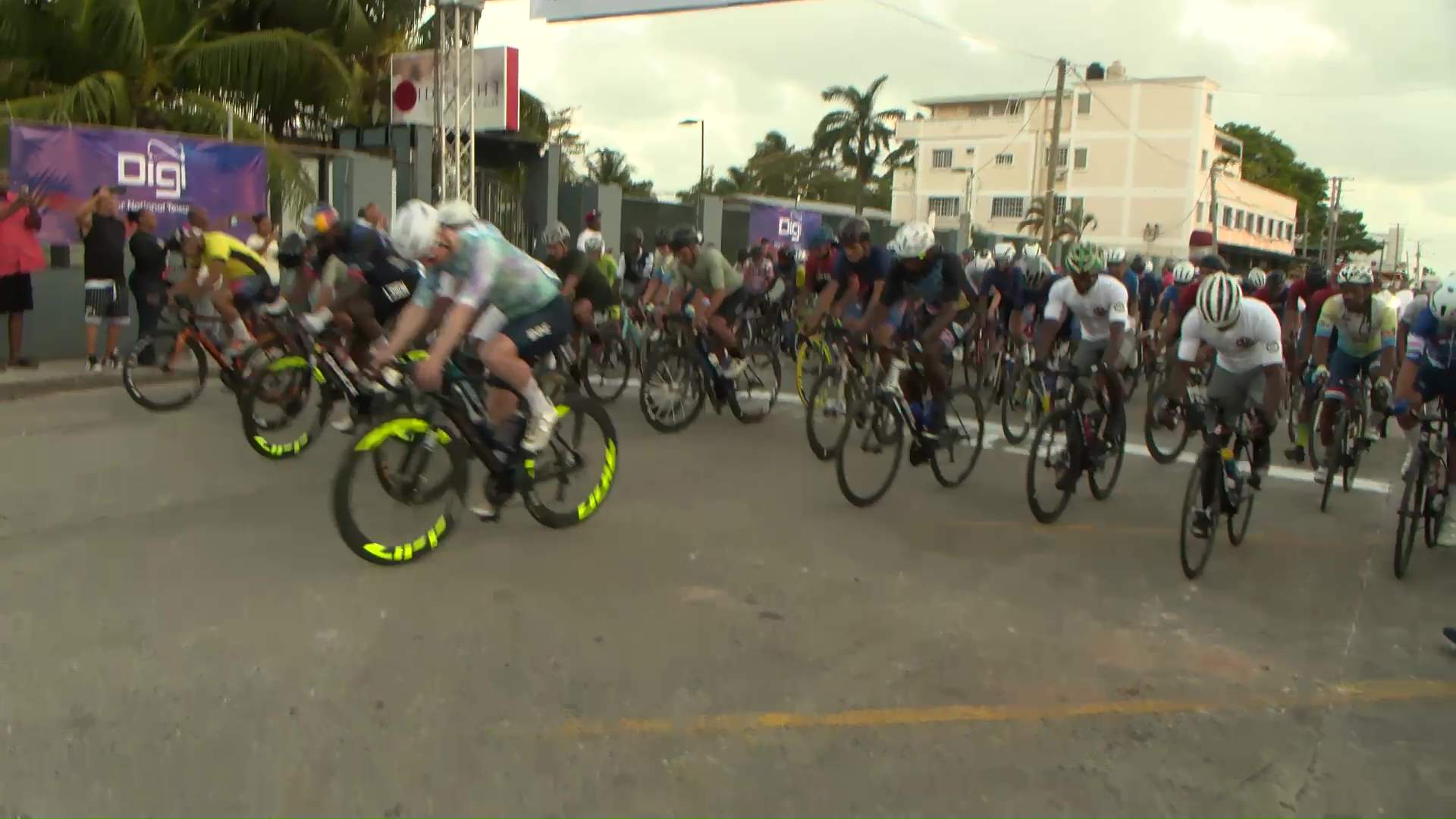
As one of the most anticipated annual sporting events in Belize, the 96th edition of the iconic Holy Saturday Cross Country Cycling Classic wrapped up in 2026 with stunning new course records and unexpected attention on anti-doping efforts designed to protect the sport’s integrity.
This year’s competition delivered historic results: after a dominant wire-to-wire victory in the women’s division, Bermuda’s Gabriella Arnold claimed the top spot on the podium. Reflecting on her win, Arnold shared that the race was one of the most challenging she had ever competed in, particularly the brutal headwind that plagued the final 20 miles as she rode alone at the front. This marked only Arnold’s second race in Belize, following a second-place finish at the Caribbean Championships hosted in the country last October, and she confirmed she plans to return to compete again in the future.
In the men’s race, eight cyclists broke the previous course record in an action-packed contest that came down to a final sprint. United Kingdom rider Jim Brown outpaced all seven of his rivals in the closing stretch to cross the finish line first. After the race, Brown spoke about the extreme heat that tested his endurance, though he noted the consistent headwind actually worked in his favor: any gap he opened up was harder for chasing riders to close, making his late surge more effective.
While the dramatic on-course action and broken records have drawn widespread excitement across Belize’s cycling community, they have also sparked questions about performance integrity. That is why Belize’s National Anti-Doping Organization (NADO) implemented a comprehensive, structured testing program for this year’s classic, stepping up oversight to guarantee every victory is earned fairly.
Charlie Slusher, director of Belize NADO, explained the organization’s testing protocol for top-tier events like the Cross Country Classic. NADO typically tests at least five riders per competition, using a mixed selection approach that includes top finishers, riders who turned in unexpectedly exceptional performances regardless of their final placement, and randomly selected competitors to ensure broad coverage. “It is about fairness. Everybody has an equal chance of winning,” Slusher emphasized. “Doping and using performance-enhancing substances is plain cheating, and it is unfair to sponsors who invest significant prize money and to fans who put their faith in clean competition.”
Beyond upholding competitive fairness, NADO’s work centers on protecting the long-term health of participating athletes. Slusher noted that many athletes who use banned substances take unsafe, excessive doses that can lead to chronic health complications later in life, including kidney and heart damage, even after they retire from competitive cycling. The organization also runs educational programs to help athletes understand the ever-evolving list of banned substances, ensuring they avoid accidental violations that would cost them their eligibility for international competition.
All samples collected at this year’s race are shipped to a World Anti-Doping Agency (WADA)-accredited laboratory in the United States for analysis, a process that takes up to 14 working days to complete. To enforce full transparency, all prize money is being held by event organizers until all test results are finalized and released publicly. Slusher stressed that the open, WADA-supervised process eliminates any opportunity to hide or alter results, reinforcing the race’s commitment to clean sport.
For Belize’s most prestigious cycling event, maintaining integrity is key to attracting future participants and growing the sport across the region. NADO’s expanded oversight positions the organization as both a watchdog for fairness and a safeguard for athlete health, ensuring that the Cross Country Classic remains a event where speed, not cheating, takes the spotlight. This report was presented by Shane Williams for News Five.