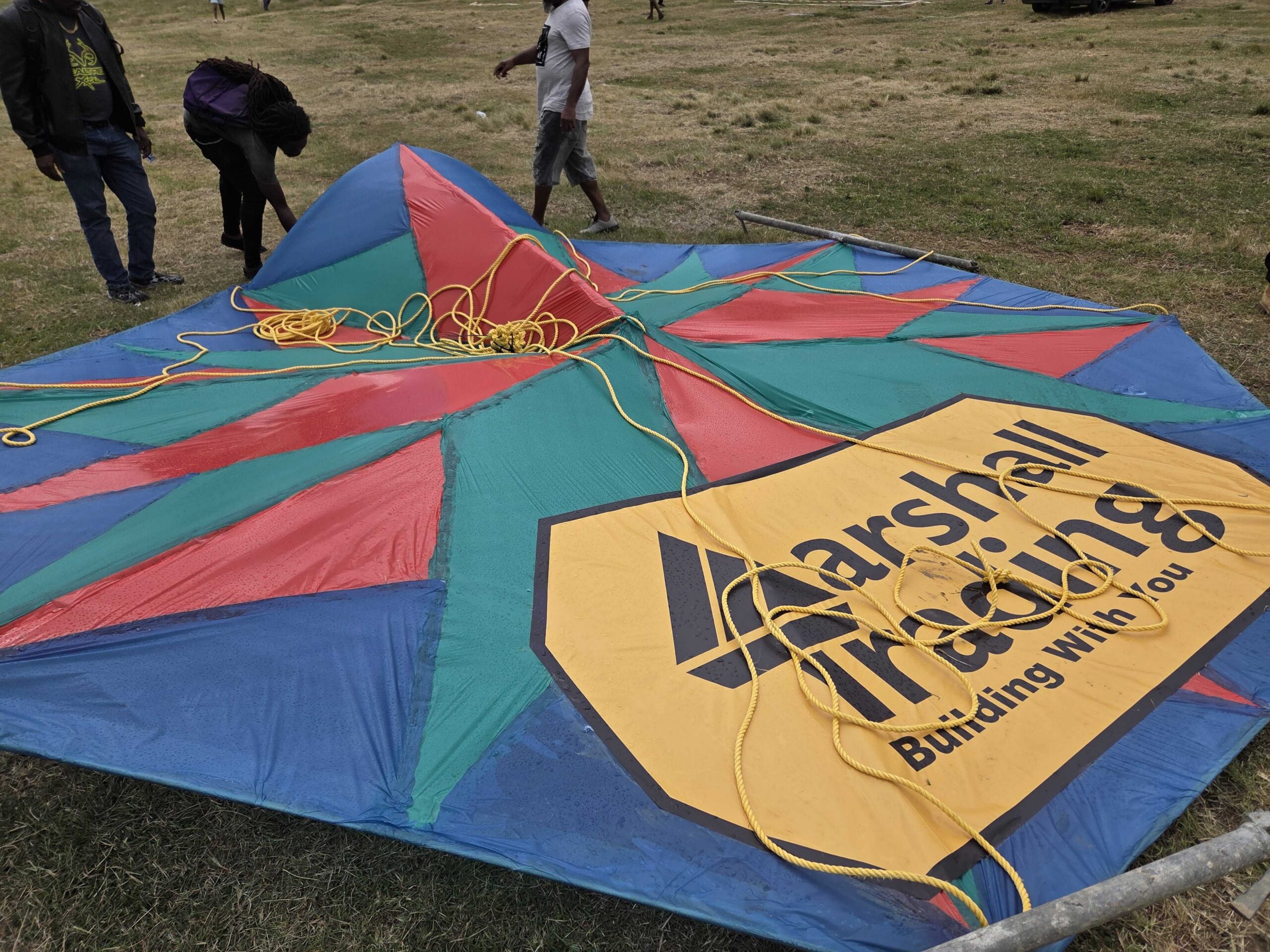
On a bright Monday morning above the weathered grounds of the historic Andrews Factory, the air hummed with a familiar, beloved sound: the iconic whistle of wind through handcrafted kite frames, and the chatter of generations of Bajan kite enthusiasts gathered for the parish of St. Joseph’s annual kite-flying celebration. This beloved cultural ritual traces its origins back centuries to post-harvest festivities held across Barbados’ sugar-growing regions, and today it stands as a living bridge connecting the island’s industrial sugar-producing past to its vibrant, evolving folk heritage. Though official opening ceremonies were pushed back slightly by unforeseen logistics, the delay did nothing to dim the excitement of attendees, many of whom arrived hours before the event kicked off to claim their spots and catch the steady, ideal morning coastal breeze. By the time the celebration hit its peak, dozens of vibrant, creatively designed kites dotted the bright blue sky, dancing and dipping on the wind in a stunning display of local craftsmanship. For nearly all participants, the annual gathering is far more than a casual competition; it is a chance to uphold a centuries-old passion and strengthen community ties that stretch across decades and even generations. Rodney Clarke, a veteran kite-maker fondly known to the local community as “Mauby,” was spotted carefully piecing together a new handmade kite after his first creation of the day was brought down by a sudden gust of wind. Reflecting on a lifelong connection to the craft, Clarke explained that the tradition has grown from small informal post-harvest gatherings to the well-loved community event it is today, adding that the sense of collective joy far outweighs any competitive prizes on offer. “It’s just as fun as we get. It don’t be really no competition… just come and enjoy yourself,” he said. The event draws participants from near and far every year, including many who have left the parish but return annually for the gathering. Rohan Corbin, who has been flying kites since he was 10 years old, makes the trip even though he no longer lives in the community, drawn back by the tradition he has loved for decades. Not far from Corbin, Kerry Marshall, a kite-maker and flyer with 30 years of experience, traveled all the way from his current home in Florida to take part this year. Marshall has watched the craft evolve over his decades in the hobby, from traditional lightweight paper kites to more durable plastic designs that can stand up to stronger coastal winds, but he says the soul of the handcrafted art has stayed the same. “The sound of it, movement… and that’s a craft, you know, making different characters. We went from paper kites to plastic kites so they can last now… it’s just a craft to look awesome,” Marshall explained. Though this marked his first time entering the event’s formal competition, Marshall expressed confidence in his handcrafted entry, saying “I got a lot of confidence so far… it seems very positive.” While seasoned kite enthusiasts showcased their decades of technical skill and handiwork, the event also made space for emerging new talent, including 20-something Treshad Blenman, who has flown kites since he was a child but made his competitive debut this year. When asked about his chances of taking home a prize, Blenman laughed off any pressure, candidly admitting “Not confident. Not confident” as he pulled his damaged kite from the sky, ending his run in the competition early. By the end of the day, the event once again reaffirmed what the community has known for generations: in the heart of St. Joseph, the centuries-old tradition of handcrafted kite flying remains a soaring, living testament to Bajan ingenuity, creativity, and the unbreakable strength of local community bonds that draw people back year after year.