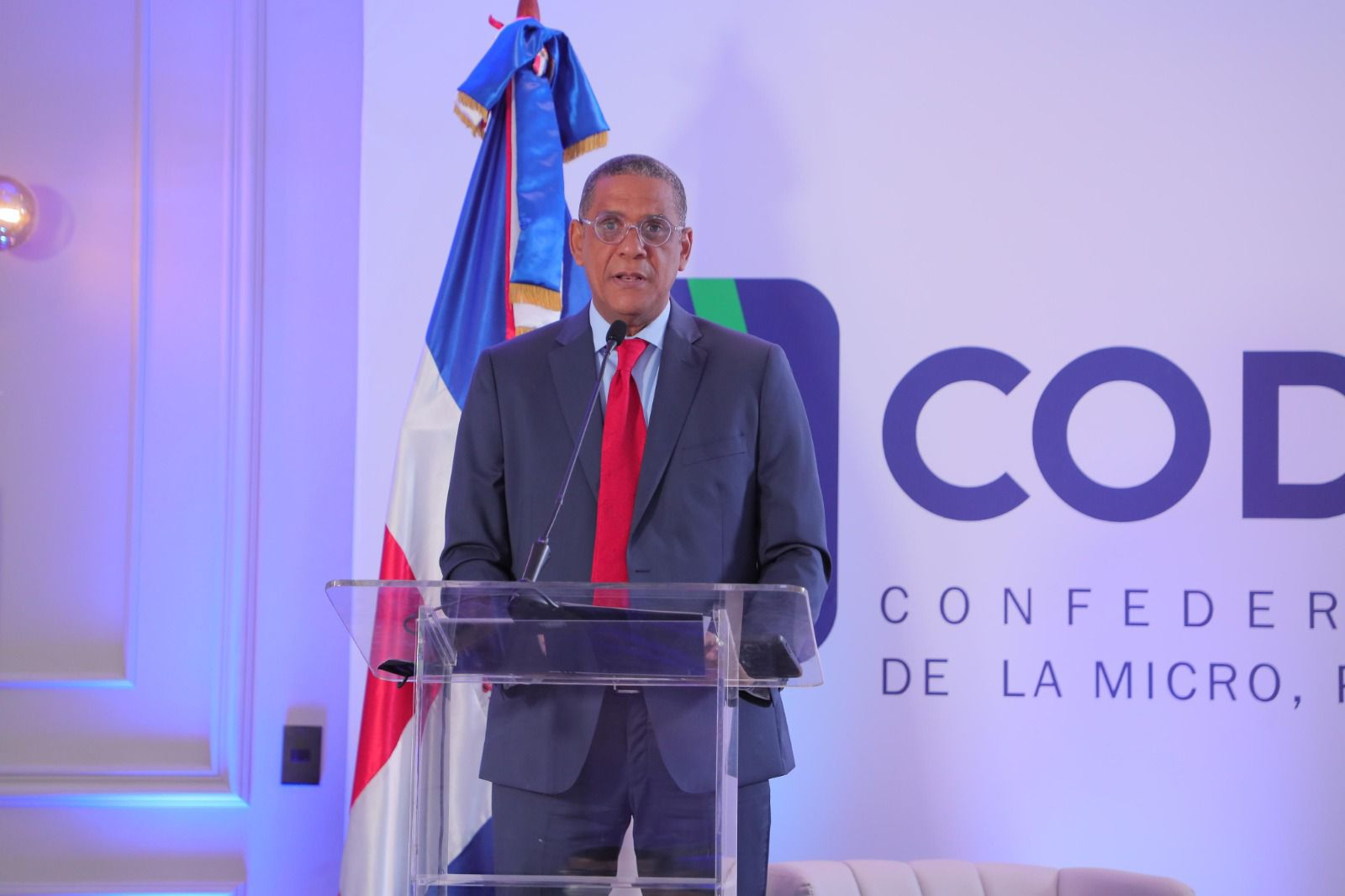
Leading small business advocates in the Dominican Republic are pushing for major adjustments to a landmark environmental regulation, warning that its current structure threatens the survival of the country’s most vital economic segment. The Dominican Confederation of Micro, Small and Medium Enterprises (Codopyme) has formally called on national authorities to pause the planned rollout of Law 225-20 and launch a broad, inclusive revision process to address the legislation’s outsized impact on small and medium-sized business owners.
Enacted in 2020, Law 225-20 sets out the Dominican Republic’s first comprehensive regulatory framework for coordinated solid waste management across all sectors of the economy. The law establishes binding rules for waste reduction, mandatory recycling targets, and standardized disposal protocols, alongside the creation of a national financing system that requires all registered companies to contribute monetary funds to support municipal waste collection and broader environmental stewardship initiatives.
In a formal statement outlining the organization’s position, Codopyme president Fernando Pinales warned that full implementation of the law as currently written would drive a sharp increase in production costs for micro, small and medium enterprises, a group that accounts for more than 98% of all business entities operating in the Dominican Republic. These increased costs, Pinales argued, would almost certainly be passed on to end consumers in the form of higher goods and services prices, running directly counter to ongoing government efforts to curb sky-high national inflation and protect the purchasing power of working-class households.
The confederation stressed that it does not oppose the law’s core environmental goals: its leaders repeatedly affirmed that Dominican SMEs are fully committed to upholding environmental responsibility and advancing sustainable waste management practices. What small business owners cannot accept, the group says, is a one-size-fits-all framework that imposes disproportionate cost burdens on small operations and creates structural conditions that favor large, multinational corporations with far deeper financial resources.
Beyond cost concerns, Codopyme has also raised pointed questions about transparency and accountability in the new regulatory system. The organization says it has identified significant risks of potential conflicts of interest in the oversight and management of the new industry-financed waste management fund, calling into question whether current governance mechanisms for the fund meet minimum standards for transparency and public accountability.
To address these gaps, Codopyme has put forward a clear set of policy demands: a full delay of the law’s enforcement timeline, a collaborative technical review process that includes formal representation from SME sector leaders, sweeping reforms to the law’s oversight and fund management mechanisms, and the redesign of the financing system to create a graduated, fair structure that aligns contribution requirements with a company’s size and operational capacity. The group closed its statement by reaffirming its willingness to engage in constructive, good-faith dialogue with government officials, while emphasizing that it will continue to defend the long-term sustainability and global competitiveness of the Dominican Republic’s SME sector.