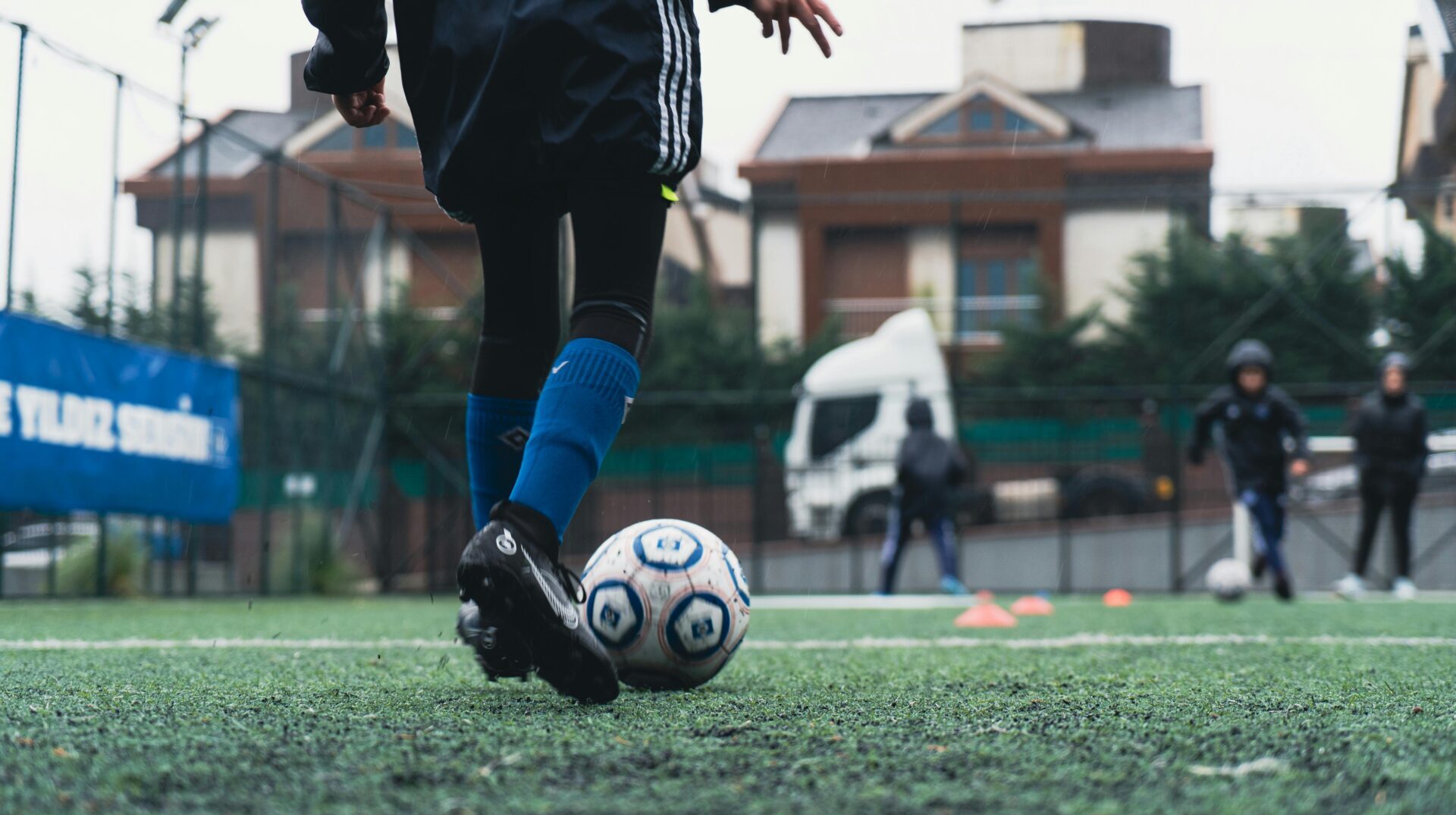
Against a backdrop of growing global fragmentation, the United Nations is gearing up to mark the 2026 International Day of Sport for Development and Peace (IDSDP) on April 6, shining a spotlight on sport’s unique, underrecognized power to drive cross-border solidarity, advance inclusive development, and break down systemic barriers.
For decades, global leaders and development experts have framed sport as far more than a recreational pastime. The United Nations has long championed it as a transformative social force: even amid active conflict and deep political divisions, athletic activity creates neutral, shared space that connects communities across generational and national divides, eases isolation for marginalized groups, and fosters the dialogue, mutual respect, and solidarity that form the foundation of cooperation between nations. This unrivaled reach, universal popularity, and inherent foundation of positive values are what led the UN General Assembly to formally establish April 6 as a global observance of sport’s contributions to global peace and development.
The 2026 IDSDP theme, “Sport: Building Bridges, Breaking Barriers,” amplifies growing international recognition of sport’s positive impact on advancing human rights, inclusive economic progress, and social equity. This year’s observance will center evidence-based strategies and proven best practices that demonstrate how sport delivers measurable progress toward the 2030 UN Agenda for Sustainable Development, with a particular focus on advancing public health, gender equality, reduced inequality, and inclusive, peaceful societies. Through cross-sector dialogue, collaborative partnerships, and shared community experiences, IDSDP 2026 will reaffirm sport’s role as a strategic development tool: one that connects diverse groups of people and dismantles barriers to full inclusion, upholding the core promise of the 2030 Agenda to leave no one behind.
Concrete examples of sport’s unifying power stretch across decades and regions. For many, Jamaica’s historic 1998 FIFA World Cup qualification remains a defining example of how athletic achievement can rally an entire nation. When the Reggae Boyz secured their spot in the tournament, long-standing social divisions that typically split the country fell away, and the entire population united behind the team. Moments like these—when national flags are raised and anthems played at international competitions—forge a shared sense of national pride that transcends class, regional, and political divides.
Closer to home for Caribbean nations, the annual CARIFTA Games stands as a long-running model of sport-driven regional integration. Founded in 1972 by then Amateur Athletic Association of Barbados president Austin Sealy, the games were launched to mark the transition from the Caribbean Free Trade Association (CARIFTA) to the Caribbean Community (CARICOM), with a core mission of strengthening ties between the region’s English-speaking countries. Held every Easter over three days, the games host more than 150 track and field competitions ranging from sprints and hurdles to jumping, throwing, and relay events. For half a century, the event has served as a foundational vehicle for regional integration, cross-border cooperation, peace, and inclusion across CARICOM member states.
At the global level, the United Nations’ Football for the Goals (FFTG) initiative leverages football’s unmatched global reach to advance the Sustainable Development Goals (SDGs). As a membership-based platform, FFTG brings together the entire global football ecosystem—from grassroots community clubs and local nonprofits to professional leagues and international confederations—to align their strategies, messaging, and operations with SDG aspirations. The initiative supports organizations to build on existing sustainability work and implement SDG-aligned strategies that drive tangible behavioral change, while also leveraging member organizations’ global visibility to raise public awareness of the 2030 Agenda.
As the global community prepares to commemorate IDSDP 2026, development educator and commentator Wayne Campbell, the author of this analysis, is calling for urgent policy shifts to unlock sport’s full potential. Campbell emphasizes that governments worldwide must increase public investment in youth athletic development, and reframe school physical education to align with UN sustainable development objectives. Too often, he notes, physical education is sidelined as an afterthought, receiving little funding or policy attention—an oversight that must be corrected to align school sports with broader national development and peacebuilding goals.
Campbell argues that development efforts must move beyond outdated top-down models to incorporate bottom-up, collaborative approaches that engage all stakeholders. The core goal of development, he notes, is to create an enabling environment where all people can build long, healthy, creative lives, so intentional partnerships with communities are essential. Nations must also recognize that athletes are national treasures that deserve targeted investment and support.
This focus on sport as a peacebuilding tool is rooted in centuries of tradition. The ancient Greek practice of ekecheiria, or the Olympic Truce, dates back to the 8th century BCE, and was revived by the International Olympic Committee in 1992. Today, a UN General Assembly resolution urges all member states to observe the truce from seven days before the opening of each Olympic Games through seven days after the Games close. The 2030 Sustainable Development Agenda, adopted by global leaders in 2015, formally reaffirmed sport as a critical enabler of sustainable development, aligning with the Olympic movement’s core mission to build a more peaceful future through athletic education. The Games bring together athletes from every corner of the globe, advancing the shared UN and Olympic goals of peace, mutual understanding, and global goodwill.
As the world marks the 2026 IDSDP, the words of Nelson Mandela remain as relevant as ever: Sport has the power to change the world. It has the power to inspire, and to unite people in a way few other forces can. It speaks to young people in a language they understand, and it can create hope where once there was only despair.