On April 5, 2026, U.S. President Donald Trump announced a landmark military achievement: the second pilot of an American F-15E Strike Eagle shot down over southern Iran just three days prior had been successfully recovered by U.S. rescue forces after 48 hours of searching. Trump hailed the operation as one of the boldest rescue missions in modern U.S. military history, marking a high-stakes success amid a rapidly escalating regional conflict that has gripped the Middle East for nearly six weeks.
The F-15E was downed by Iranian air defense systems on a Friday, contradicting earlier U.S. military claims that Iran’s integrated air defense network had already been fully destroyed in prior strikes. The first crew member of the jet was evacuated shortly after the crash, but the second pilot remained missing for two full days, triggering an urgent search-and-rescue operation deep inside Iranian territory. During the extraction mission, U.S. Black Hawk rescue helicopters came under hostile fire, yet all U.S. aircraft exited Iranian airspace without sustaining damage, according to initial U.S. accounts. Multiple regional outlets including Al Jazeera have since confirmed that the operation escalated into intense direct firefights between U.S. special operations forces and Iranian military personnel on the ground. The rescued pilot sustained non-life-threatening injuries during the incident, and military officials expect a full recovery.
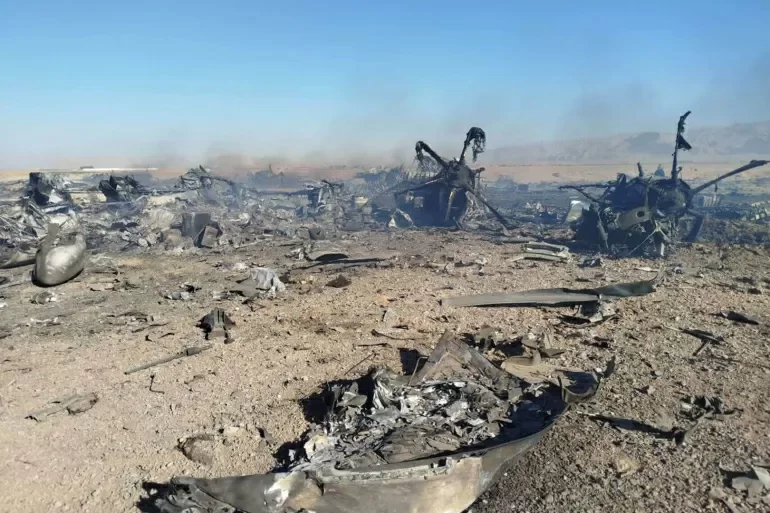
Iran has not issued an official confirmation of the pilot’s successful rescue, but the country’s military has confirmed separate developments tied to the operation: it claims a U.S. Air Force Lockheed C-130 Hercules transport aircraft supporting the rescue attempt was shot down over Iranian territory. Additionally, local Iranian reports note nine civilian and military fatalities in airstrikes targeting southwestern Iran that officials link directly to the U.S. rescue mission.
The hunt for the missing pilot represented a major strategic and political risk for the Trump administration, as public support for the six-week conflict continues to decline among U.S. voters. Iranian authorities launched a widespread domestic manhunt for the airman, calling on local populations to assist in capturing the pilot and offering a substantial cash reward for information leading to his detention. Nomadic tribes in the mountainous search zone responded to the government’s call, opening fire on U.S. rescue helicopters operating in the area.
The successful rescue came just days after Trump issued a stark ultimatum to the Iranian government: reach a negotiated settlement and reopen the Strait of Hormuz within 48 hours, or face expanded U.S. military strikes that would target critical Iranian energy infrastructure, including national power plants. The ultimatum was widely interpreted by global analysts as a major escalation of the ongoing conflict, which began in late February 2026 when a joint U.S.-Israeli strike killed Iranian Supreme Leader Ayatollah Ali Khamenei. Since the opening of hostilities, thousands of people on all sides have been killed, and the conflict has expanded into a full regional war, with Iran launching retaliatory strikes against Gulf states that host U.S. military assets and American interests.
Iran rejected Trump’s ultimatum outright in an official statement from Foreign Minister Abbas Araqchi. Araqchi clarified that Iran has never refused to enter into negotiations, but any talks must be built around terms that deliver a “decisive and lasting end” to what Tehran describes as an illegal war of aggression against the country. He emphasized that Iran will never concede to one-sided demands imposed by Washington, and reaffirmed that the Iranian people remain fully determined to defend the country’s territorial integrity and national sovereignty against foreign invasion.