MONTEGO BAY, St James — A New York man charged with smuggling a large shipment of cannabis into Jamaica via Sangster International Airport has been ordered to pay thousands in fines by the St James Parish Court this Wednesday, closing a high-profile border contraband case that exposes gaps in cross-border cannabis movement amid partial legalization in both the U.S. and the Caribbean nation.
Shaquel Morales, a resident of Queens, New York, faced four criminal charges: possession of cannabis (ganja), trafficking in ganja, illegal importation of ganja, and making a false declaration on immigration documentation. A separate conspiracy charge was ultimately dropped after prosecutors presented no supporting evidence. Morales was represented by local Jamaican defense attorney Martyn Thomas.
Court documents and law enforcement reports outline the timeline of the incident, which unfolded around 10:30 a.m. on March 26. Acting on a tip, members of Jamaica’s law enforcement command were waiting in the Customs contraband search area when Morales exited an incoming flight from Miami, Florida, to undergo routine screening by a Jamaica Customs Agency contraband enforcement officer.
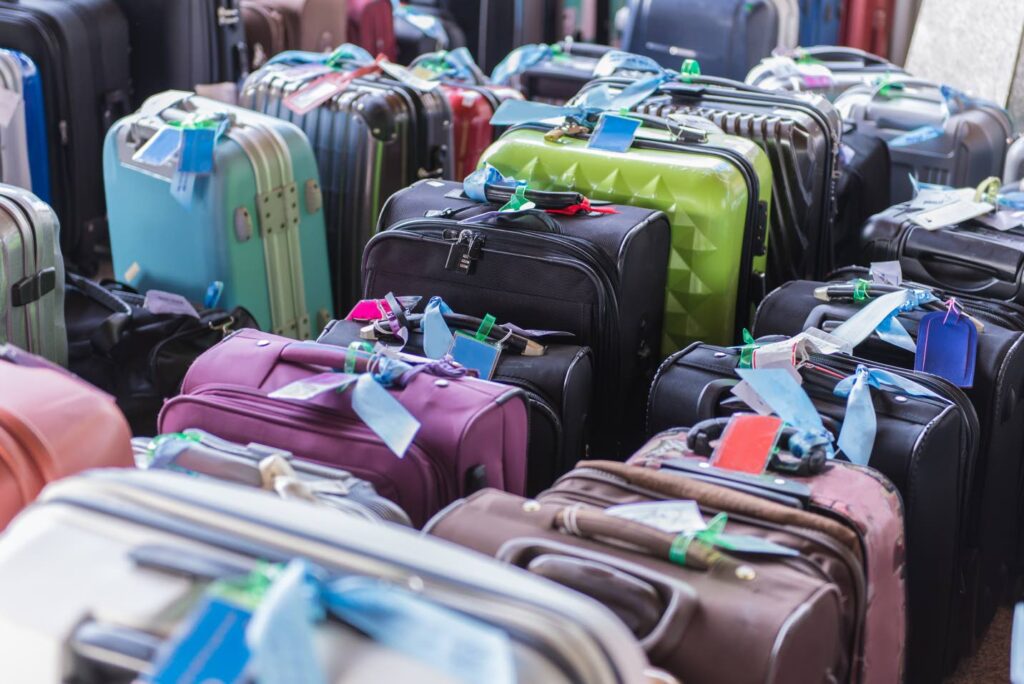
During a preliminary search of Morales’ checked grey hard-shell suitcase, officers detected multiple tightly wrapped packages that field testing confirmed were cannabis. After being formally cautioned that unlicensed cannabis importation is a criminal offense under Jamaican law, Morales was moved to a secured secondary search facility for full evidence processing.
At the secondary facility, Morales first told investigators he resided in Queens, New York, and provided the name of a local Jamaican hotel as his intended accommodation. When investigators cross-checked the information, they discovered the hotel he named had not operated in Jamaica for a number of years, and Morales could not produce any proof of a reservation. Further review of his mandatory C5 immigration declaration form showed he had listed the same defunct hotel as his Jamaican address, plus an Atlanta, Georgia residential address that did not match the Queens address he provided to officers — flags that confirmed investigators’ suspicions of a false declaration.
When investigators confronted Morales about the non-existent hotel, he changed his account to claim a cousin would send someone to meet him at the airport, but he refused to provide his cousin’s full name or contact information. When pressed about who the shipment of cannabis was intended for, Morales famously told investigators, “I’m no snitch.” When asked who was scheduled to take him from the airport to his accommodation, he deflected again, responding, “It is mine, why you need to get a cab driver?” After that exchange, Morales declined to answer any additional questioning and invoked his right to have legal counsel present for further interrogation.
A full forensic search of the suitcase uncovered 12 vacuum-sealed packages of cannabis, totaling approximately 14 pounds of the controlled substance, which were logged into evidence by investigators. Morales was taken into custody and transferred to the Montego Bay Police Station to await processing. During a formal interview on March 28 held with his defense attorney present, Morales entered a plea of not guilty to all charges laid against him.
In his mitigation argument to the court, defense attorney Martyn Thomas painted Morales as a first-time offender who was misled by his family member. Thomas told the court that Morales traveled to Jamaica for a planned spring break trip, and his cousin — who operates a licensed cannabis dispensary in Jamaica and does business with a second dispensary based in Atlanta — asked Morales to transport the cannabis shipment from Atlanta to Jamaica for sale at the cousin’s dispensary. Thomas argued that Morales believed all required import permits had been secured by his cousin, and he was told clearing Jamaican customs with the cannabis would not present any problems.
Thomas also addressed the false declaration charge, explaining that Morales completed his electronic C5 declaration mid-flight after realizing he had forgotten to fill it out ahead of time. With no confirmed accommodation arranged (his cousin was supposed to handle that, Thomas said), Morales entered the address of a Jamaican resort he had stayed at during a previous visit, with no intent to actually stay there. It was an impulsive, careless mistake, not a deliberate attempt to deceive, Thomas argued.
On the claim that Morales entered the customs red channel (for travelers declaring goods), court clerks confirmed there was no record of Morales declaring the cannabis on any of his entry documentation. Thomas further emphasized that his client admitted he made a mistake, had no prior criminal convictions in either the U.S. or Jamaica, and posed no public safety risk to Jamaican communities. He requested the court hand down a non-custodial sentence rather than prison time.
Before announcing sentencing, Parish Court Judge acknowledged that both the United States and Jamaica allow licensed medical and recreational cannabis dispensaries, but reminded Morales that cross-border importation still requires formal approval, regardless of domestic legal status. The judge also called out Morales’ “I’m no snitch” comment, noting that the phrase is widely associated with organized criminal activity and that Morales could have simply invoked his right to legal counsel instead of making the provocative statement.
In the final sentencing, the court handed down four cumulative fines: $56,000 Jamaican dollars for possession of ganja (with 30 days prison in default of payment), $112,000 Jamaican dollars for dealing in ganja (30 days default), $112,000 Jamaican dollars for illegal importation of ganja (three months default), and $20,000 Jamaican dollars for making a false declaration (30 days default). The conspiracy charge against Morales was dismissed for lack of evidence.