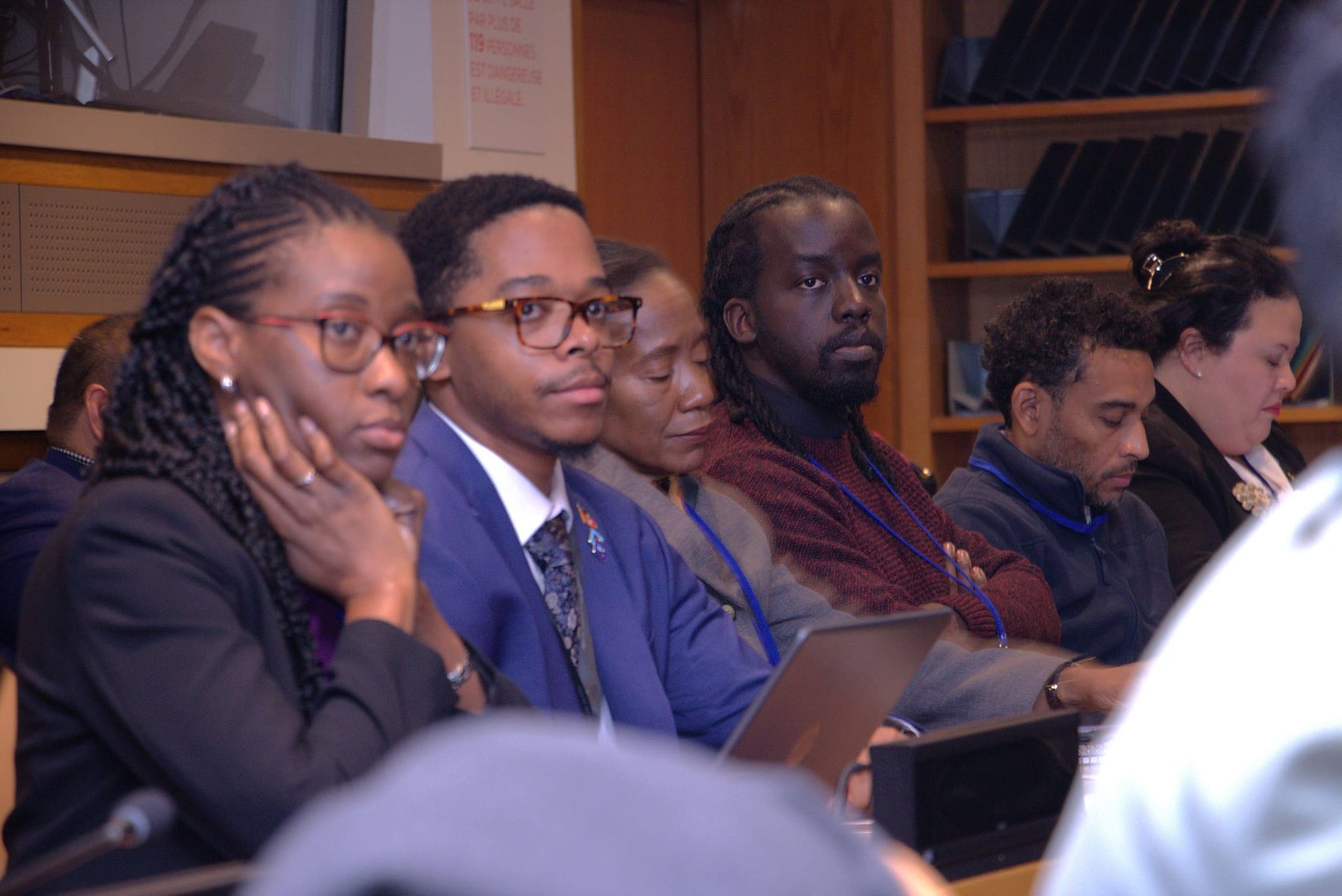
For small island developing nations like Antigua and Barbuda, the world’s oceans are far more than a geographic feature—they are the unshakable backbone of national life, underpinning local communities, driving economic activity, and securing the long-term future of the country. As such, the stakes of failing to safeguard marine biodiversity in areas outside national control are too high to ignore, and the island nation has made clear that the unfinished work of bringing the Biodiversity Beyond National Jurisdiction (BBNJ) Treaty into full force remains a top priority.
Following the wrap-up of the third Preparatory Commission meeting held at United Nations headquarters, global negotiators have recorded meaningful incremental progress toward operationalizing the historic treaty. Yet despite these steps forward, critical gaps in the framework and implementation roadmap still stand between the current draft and a fully functional, enforceable agreement. These unaddressed provisions have created uncertainty around the treaty’s ability to deliver on its core goal: protecting and sustainably managing marine biodiversity in areas that fall outside the jurisdiction of any single country, which make up more than two-thirds of the world’s oceans.
Antigua and Barbuda has reaffirmed its unwavering commitment to closing these remaining gaps, and will continue its long-standing advocacy for a global ocean governance regime that is robust, equitable, and effective for all nations. The country has also highlighted the pivotal contributions of its national negotiating delegation, led by Asha Challenger, First Secretary of Antigua and Barbuda’s Permanent Mission to the United Nations and Vice President of the third Preparatory Commission. Challenger’s leadership has been instrumental in amplifying the shared concerns and priorities of small island developing states, which are disproportionately vulnerable to the impacts of marine biodiversity loss despite contributing the least to the crisis.
Challenger’s work at the negotiating table was backed by a specialized team of technical and legal experts, including Darius Joseph, a Legal Officer with Antigua and Barbuda’s Department of Marine Services and Marine Shipping, and Zachary Phillips, Crown Counsel II from the country’s Office of the Attorney General. Both experts brought invaluable, targeted legal and policy insight to negotiations led by the Alliance of Small Island States (AOSIS), the bloc that represents the interests of small island developing nations on the global stage.
Moving forward, Antigua and Barbuda remains fully dedicated to the multilateral process of finalizing the BBNJ Treaty, and will continue to champion ambitious ocean protection measures that will benefit current and future generations of island communities and global citizens alike.