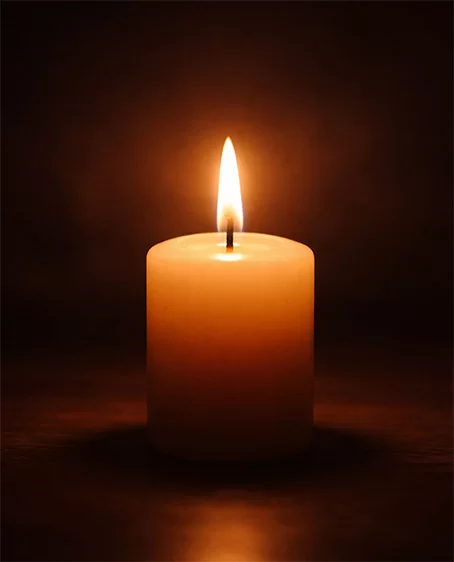
The unexpected passing of Chan Santokhi has sent shockwaves throughout the nation, leaving citizens and political circles alike grappling with the profound suddenness of mortality. A figure who recently stood at the pinnacle of political influence, having secured 45,894 votes and the trust of many, has now become a symbol of life’s unpredictable nature.
Santokhi’s legacy remains complex—viewed by some as a cherished leader while others regarded him with criticism or disappointment. Yet in death, these political distinctions fade into insignificance. The titles of president, party leader, and assembly member dissolve, leaving only the silent absence where once stood a living, breathing human being.
This tragic event has triggered deep societal introspection about the transient nature of existence. The article poignantly questions how we prepare for sudden loss when someone who recently spoke, walked, and made plans abruptly vanishes from our lives. It highlights the universal truth that no one—regardless of power, popularity, or position—is exempt from mortality’s reach.
The narrative evolves beyond political commentary to examine how societies process grief. While many pause to mourn and reflect, others respond with harsh words and coldness, revealing our collective struggle to embrace life’s fundamental fragility. The piece suggests that Santokhi’s ultimate legacy may not be his political achievements or failures, but rather the opportunity his passing creates for national contemplation.
The article concludes with a powerful meditation on what truly endures beyond our temporal existence: not positions, titles, or electoral votes, but the traces we leave in other people’s lives, the compassion we show, and the space we create for others. It serves as an invitation to live more consciously, hate less, understand more, and recognize that despite our differences, we share the same fragile human journey toward an inevitable yet uncertain end.