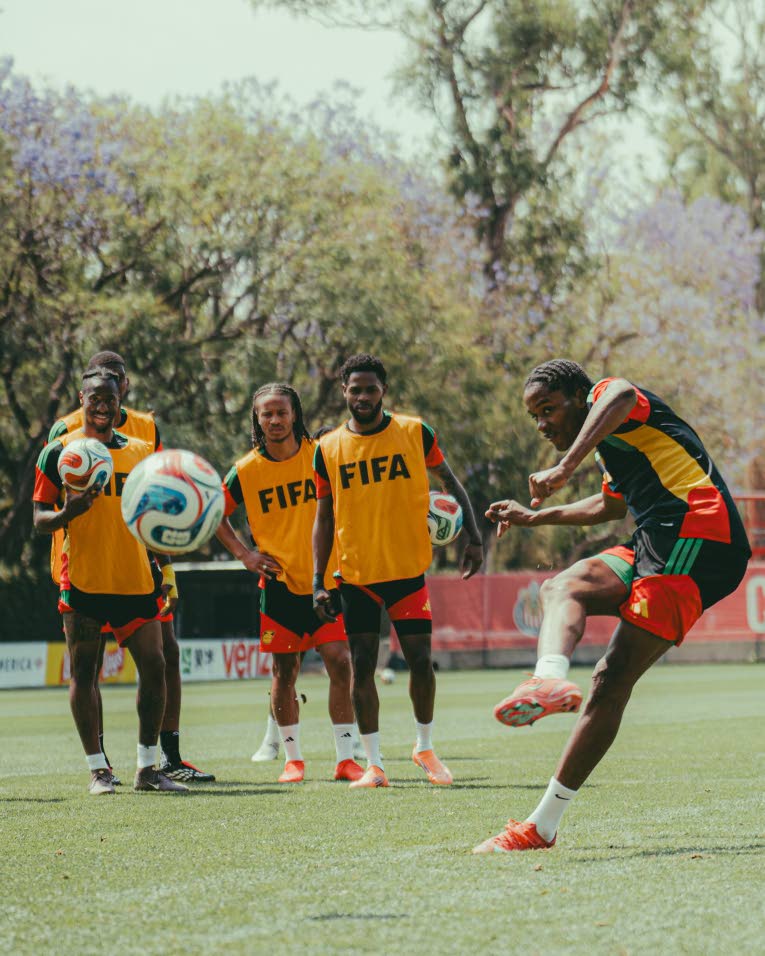
Jamaica’s national football team, the Reggae Boyz, approach a watershed moment in their sporting history as they prepare to face DR Congo in a decisive World Cup qualifying playoff on March 31. The match represents more than just athletic competition—it carries profound financial implications that could transform Jamaican football for years to come.
Victory would secure Jamaica’s first World Cup appearance since 1998 while triggering a minimum guaranteed payout of US$10.5 million (approximately J$1.6 billion) from FIFA. This substantial financial injection comes through participation fees, preparation funding, and prize money allocated to all teams qualifying for the expanded 2026 World Cup tournament.
The financial windfall would provide critical relief to the Jamaica Football Federation (JFF), which has historically operated under significant funding constraints. The federation has faced challenges including delayed payments to staff and players, limited infrastructure investment, and constrained resources for development programs. The World Cup qualification funds could stabilize operations, settle outstanding obligations, and create opportunities for reinvestment in player development, grassroots initiatives, and facility upgrades.
Beyond immediate financial benefits, qualification would elevate Jamaica’s standing in global football, potentially attracting increased commercial sponsorship and broadcasting revenue. The heightened profile could also boost tourism and national pride while inspiring a new generation of Jamaican football talent.
The match itself presents a compelling contrast in football narratives. Jamaica advanced through a tense semi-final victory against New Caledonia, secured by an early goal and resilient defensive performance. DR Congo arrived via Africa’s notoriously competitive qualifying circuit, navigating multiple high-pressure matches against established football nations.
Both teams seek to end decades-long World Cup absences, creating an emotional backdrop to what promises to be a fiercely contested playoff. For Jamaica, the opportunity represents both sporting achievement and financial transformation—a chance to rewrite their football future in ninety minutes of play.