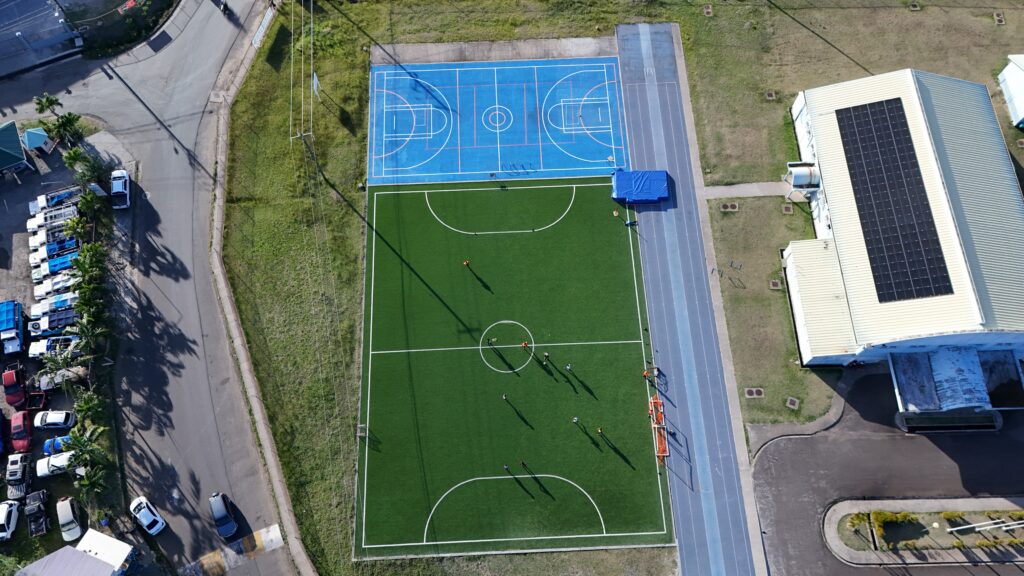
The Saint Lucia Sports Academy, approaching its ninth anniversary in 2026, stands at a pivotal juncture as educational and sports authorities debate its future direction. Established as the nation’s pioneering boarding institution dedicated to merging athletic excellence with academic rigor, the academy continues to face scrutiny regarding its developmental effectiveness and competitive standing.
Despite consistent podium achievements in track and field, cricket, and football, questions persist about whether athletes are truly maximizing their potential given the extended focus on their disciplines. Traditional powerhouses including Sir Arthur Lewis Community College, St Mary’s College, and Soufriere Comprehensive continue to dominate senior-level championships, underscoring the competitive challenges.
Principal Delia Alcindor-Charles maintains optimism, highlighting exceptional performers like Nyla Jules, Kayla Polius, and Theo Edward. She emphasizes that despite not securing top-tier athletic recruits, coaches have successfully developed students to perform at remarkably high levels. “We work with the students that we have,” Alcindor-Charles told St Lucia Times, “and I genuinely appreciate the skill development progression within two to three years.”
The academy’s original visionary, former Prime Minister Allen Chastanet, expressed disappointment regarding its evolution. Inspired by Caribbean models and personal boarding school experiences, Chastanet envisioned an institution that would serve as a feeder program for national teams and scholarship pathways. He contends the academy has become merely nominal, lacking essential components including nutritionists, consistent physical training, and specialized academic scheduling suited for athletes.
Current Education and Sports Minister Kenson Casimir has initiated transformative plans, beginning with renaming the institution to the Levern Spencer Institute of Sport Excellence within a 12-16 month timeframe. The recent reunification of education and sports ministries under his leadership aims to eliminate bureaucratic obstacles that previously hampered operations.
Cyrus Cepal, District Education Officer for the region, acknowledges the academy’s current shortcomings while outlining necessary improvements. These include curriculum revisions allowing flexible training schedules, differentiated programs for elite athletes, and enhanced marketing strategies. Cepal stresses that the institution must balance athletic specialization with academic quality to attract families seeking comprehensive education.
Despite differing perspectives on implementation, consensus exists that urgent reforms are essential to elevate the academy to its intended status as a beacon of sporting and educational excellence in Saint Lucia.