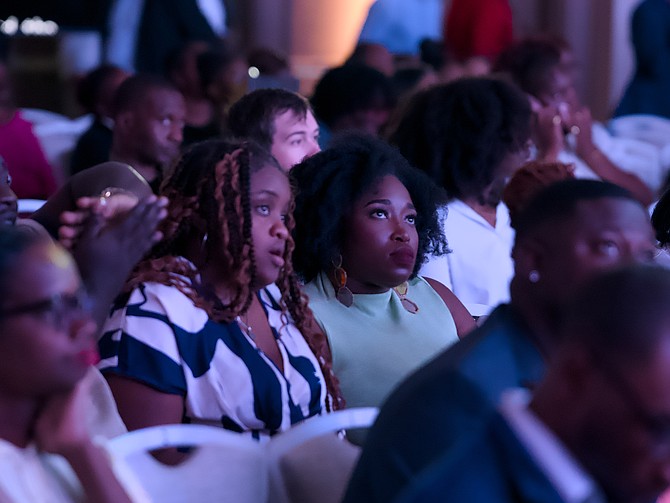
Held this past Sunday at the iconic Baha Mar resort, the Bahamian government’s 242 Influencers and Creative Conference brought together hundreds of emerging content creators and established industry voices, including several creators with follower counts topping 100,000. Conceived to address longstanding barriers that have locked Bahamian creators out of sustainable earnings on major global platforms including TikTok, Instagram and Facebook, the event has instead sparked sharp division over whether it delivered actionable solutions — or merely raised unfulfilled expectations.
For years, Bahamian digital creators have faced systemic obstacles to monetizing their work. Most major social media platforms are headquartered in the United States, and their algorithmic frameworks are inherently designed to prioritize US-based content, leaving local creators largely restricted to small domestic audiences and locked out of the monetization programs available to creators based in larger markets. Beyond platform-level barriers, many creators also face cultural stigma: local society often dismisses content creation as an unserious hobby, pushing creators to pursue traditional “real jobs” instead of building sustainable creative careers.
Prime Minister Philip Davis used his keynote address at the conference to announce two core policy commitments. First, he will issue a directive to all government agencies to prioritize hiring Bahamian influencers for public information campaigns, with dedicated budget allocated for these partnerships. Second, he confirmed that the Bahamian government has begun formal engagement with major social media platforms to negotiate improved access to monetization tools for local creators.
Despite these announcements, many attendees left the event frustrated by the lack of a clear, structured roadmap to help Bahamian creators compete on equal footing with their US counterparts. Patrick Robinson II, a photographer, artist and content creator active in the space since 2013, described the conference as little more than a “pep rally.” Speakers reused generic, widely circulated advice about the importance of authenticity, consistency and audience engagement, he said, with no space for the interactive question-and-answer dialogue that creators had hoped would allow them to raise their specific concerns directly to government organizers. “Many of us left feeling the event simply did not match what we were promised,” Robinson added.
Another prominent local creator, Rukcus Mann, offered an even more critical take, dubbing the gathering a “Bahamian Content Creator Pacifier” — a symbolic gesture that smoothed over frustrations without addressing core problems. While he acknowledged that the event raised important conversations about industry gatekeeping and shared some useful baseline information, he argued that key questions around long-term monetization were deliberately glossed over. Echoing a common sentiment among local creators, Mann noted that “In general, Bahamian creators are not really respected for our craft and contributions to Bahamian culture. Many of us have been told to go and get a ‘real job’ and our respective crafts and disciplines are generally seen as a frivolous waste of time.”
Mann also questioned the timing and motivation behind the conference, which comes just months ahead of the Bahamas’ next general election. He suggested the event was a political tactic designed to court support from young voters, noting that “Mr Prime Minister wasn’t shy about it” and the entire initiative felt conditional on political support. He also acknowledged that the creative community shares some responsibility for the industry’s slow growth, noting that while many creators take the business side of the industry seriously, too many prioritize performance over sustainable business development, holding the entire sector back.
Not all feedback was negative, however. Several attendees praised panels that featured successful Bahamian creators including Baha Yogi, Vocab, Das Quay, Bodine and Zhane’o, who shared personal insights into how they built profitable creative careers. Twitch streamer and content creator Magaso242 also noted that the post-conference mixer offered valuable networking opportunities, and that a follow-up conversation with Ambassador-at-Large for Technology and Artificial Intelligence Greg Michelier offered some reassurance that ongoing work to address creator concerns is underway. “It wasn’t a total loss,” he said.
Even so, Magaso242 echoed the widespread criticism that core questions about how the majority of local creators will access stable monetization remain unanswered. He also criticized a high-profile panel featuring Deputy Prime Minister Chester Cooper, noting that its narrow focus on tourism-related content — while expected — was ultimately disappointing for creators working outside that niche. For many in the Bahamian creative community, the conference represented a small step forward, but the path to sustainable, equitable earnings in the digital economy remains unclear.