A Jamaican healthcare professional with direct experience working alongside Cuban medical personnel has revealed disturbing details about Cuba’s controversial medical mission program, describing it as fundamentally coercive and exploitative. Dr. Cheryl Morgan, a U.S.-based nurse who previously worked in Jamaica, testified that Cuban medical workers were routinely compelled to serve abroad against their will, separated from families, and subjected to surveillance by government spies within their ranks.
According to Dr. Morgan’s firsthand account, Cuban medical personnel arriving in Jamaica had their travel documents systematically confiscated by program supervisors—a practice that experts identify as characteristic of human trafficking schemes. These healthcare workers reportedly received only a fraction of their U.S. dollar-denominated salaries, with the majority being remitted directly to the Cuban government. The program created an atmosphere of perpetual suspicion, with participants aware that government informants monitored their behavior and could arrange punitive repatriation for any dissent.
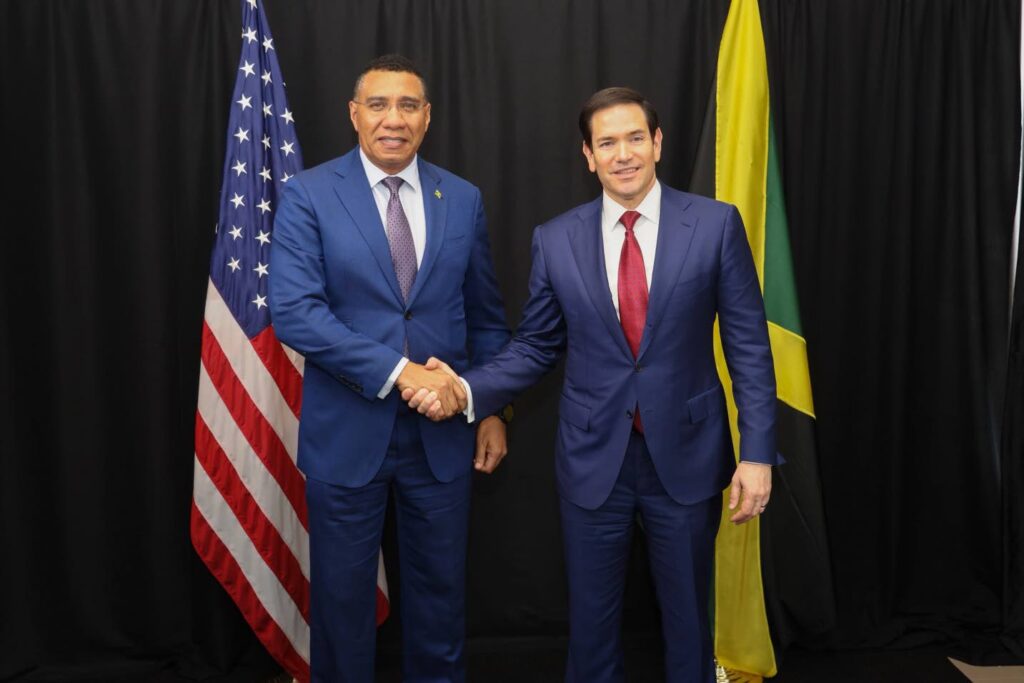
The recent collapse of Jamaica-Cuba medical cooperation follows mounting international pressure, particularly from U.S. Senator Marco Rubio who criticized Jamaican Prime Minister Andrew Holness’s support of Cuban initiatives. Dr. Morgan suggests the Jamaican government’s sudden discovery of labor law violations provided convenient diplomatic cover to realign with U.S. interests, despite five decades of institutional awareness regarding these practices.
This diplomatic crisis places Jamaica in an increasingly precarious position, balancing historical solidarity with Cuba against pragmatic economic and political realities. Cuba has been Jamaica’s consistent partner since the 1970s, constructing educational institutions and providing pandemic support. However, as Dr. Morgan notes, confronting American opposition carries severe economic consequences, as demonstrated during former Prime Minister Michael Manley’s administration when Jamaica experienced significant hardship after challenging U.S. foreign policy.
The current administration faces an impossible choice: preserve relations with Cuba while jeopardizing U.S. support, or sever medical cooperation and worsen Jamaica’s healthcare staffing crisis. With 277 Cuban doctors suddenly withdrawn from Jamaica’s healthcare system, the government must either negotiate a financial settlement with Cuba or attempt to replace these professionals in an already overburdened system—a decision with profound ethical and practical implications for Caribbean relations.