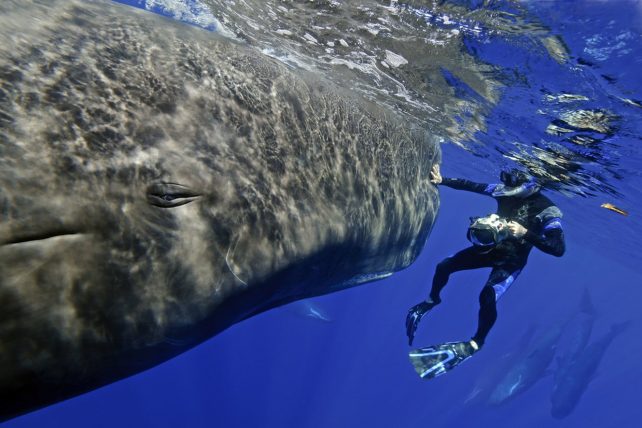
In a landmark move for marine conservation, the Caribbean nation of Dominica has formally established the world’s first Sperm Whale Reserve through the creation of a dedicated governance board and operational team. The decision, approved by Cabinet on March 24th, represents a comprehensive implementation of the Sperm Whale Reserve Act designed to protect one of the ocean’s most intelligent creatures.
The newly formed Sperm Whale Reserve Board will provide strategic oversight, policy direction, and governance framework for managing the protected marine area. This governing body will guide conservation efforts aimed at safeguarding sperm whale populations while ensuring sustainable use of marine resources within the designated reserve.
Complementing the board’s establishment, Cabinet approved the creation of two critical operational positions: Chief Sperm Whale Reserve Officer and Sperm Whale Reserve Rangers. The Chief Officer will coordinate all reserve activities, while the Rangers will conduct monitoring, enforcement, surveillance, and public education programs to ensure compliance with conservation regulations.
This conservation initiative comes at a pivotal moment as international scientific research continues to highlight Dominica’s exceptional role in sperm whale preservation. A groundbreaking study by Project CETI (Cetacean Translation Initiative) documented one of the most comprehensive recordings of a sperm whale birth ever captured, which occurred off Dominica’s coast on July 8, 2023. Using drone footage, underwater audio, and behavioral observations, researchers captured rare cooperative behavior among 11 whales assisting a newborn calf—the most extensive natural record of any cetacean birth to date.
Dominica’s waters host one of the world’s most studied and socially stable sperm whale family units, making the island a globally significant site for understanding whale communication, behavior, and evolution. Dominican researchers played crucial roles in the international study, with findings underscoring both the ecological importance of the island’s marine environment and the necessity of long-term conservation measures.
Government officials emphasize that the reserve’s establishment aligns with Dominica’s broader commitment to environmental stewardship, sustainable development, and climate resilience. The initiative positions the island nation as a leader in marine conservation at a time when scientific evidence increasingly demonstrates the global value of its unique marine ecosystems.