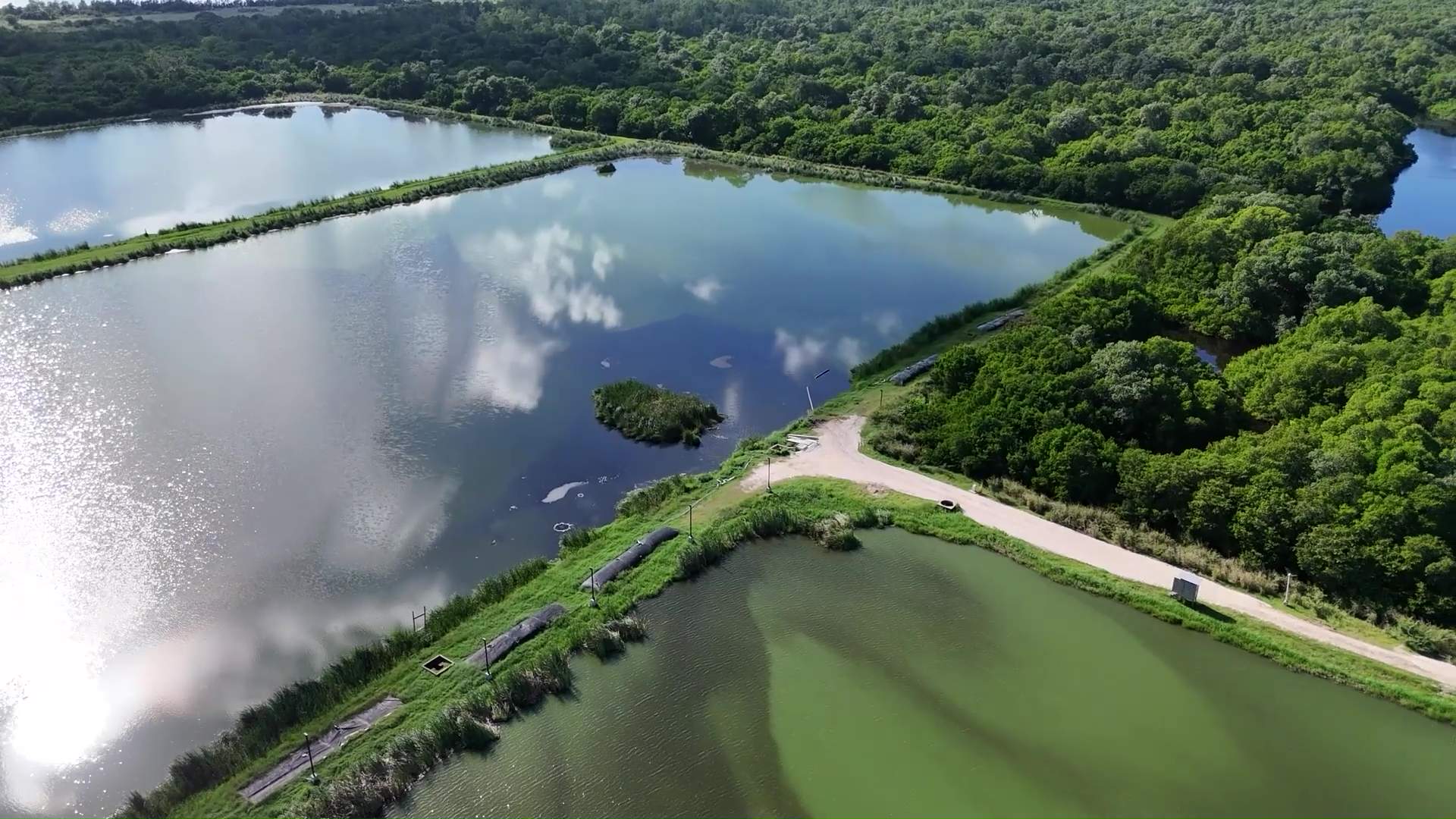
A contentious public consultation in Port Loyola has revealed significant concerns regarding wastewater management in relation to a proposed port expansion project. The meeting, held on Wednesday night, became a platform for addressing potential public health risks associated with the development.
Dr. Abraham Flowers, a local resident, raised urgent questions about how the project’s planned mangrove island might impact drainage from the nearby sewer treatment plant. Currently, wastewater flows directly through the port property, and Dr. Flowers expressed concern that improper planning could cause sewage backup into residential areas including Faber’s Road, Freedom Street, Malcolm Street, and Unity Street.
In response, environmental consultant Allan Herrera of NEXTERA assured attendees that the project design incorporates adequate drainage solutions. Herrera explained that outflow would continue through stream channels into canals within the mangrove islands before being flushed out, claiming no impediments to proper wastewater flow.
The controversy extended beyond the meeting when businessman David Gegg, who did not attend the consultation, publicly criticized Belize City’s wastewater system based on a disputed 2025 study. Belize Water Services (BWS) issued a strong rebuttal, characterizing Gegg’s comments as “misinformed” and highlighting his failure to engage with factual information.
BWS Executive Chairman Cornelio Acosta detailed the utility company’s substantial investments in infrastructure improvements, including over $6 million allocated to facility upgrades over the past two years. Acosta revealed that dredging operations have already begun and that a World Bank grant will fund the transformation of the primary treatment facility into a modern tertiary treatment system with UV sterilization, similar to the advanced facility in Belmopan.
The upgraded system, scheduled to begin construction in late April, promises to meet international water quality standards. Acosta emphasized that Gegg’s concerns reflect “misguided anger and lack of information” rather than actual system deficiencies, noting that proper communication could have prevented unnecessary public alarm.