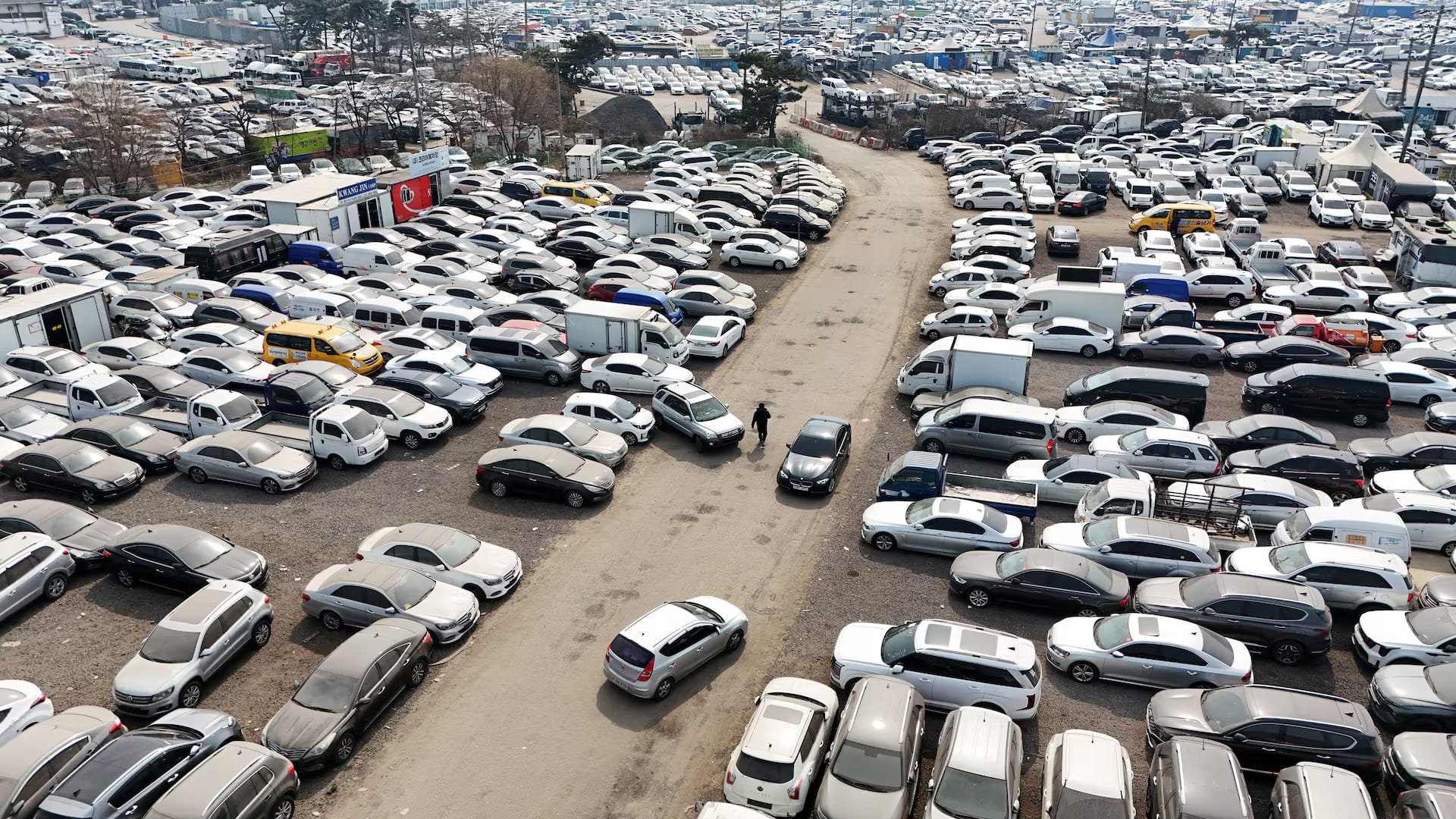
An escalating international conflict is creating severe disruptions within the global automotive sector, specifically crippling the supply chain for pre-owned vehicles. This logistical crisis is halting the delivery of millions of second-hand cars destined for markets worldwide, creating a ripple effect that impacts economies, businesses, and consumers from emerging nations to developed countries.
The disruption originates in key transit corridors and shipping lanes that have become inaccessible or perilous due to geopolitical hostilities. Major export hubs, primarily reliant on maritime transport, are experiencing unprecedented delays and cancellations. This has stranded vast inventories of vehicles at ports, leaving dealerships overseas with rapidly depleting stock and forcing market prices to surge unexpectedly.
Industry analysts report that nations dependent on imported used vehicles for affordable personal and commercial transportation are facing an acute shortage. This is not only stifling mobility but also hindering small businesses that rely on these cost-effective vehicles for logistics and operations. The scarcity is triggering inflationary pressures in local markets, making basic transportation increasingly unaffordable for the average citizen.
The long-term implications extend beyond immediate logistics. The paralysis of this multi-billion-dollar trade segment threatens to reshape global automotive market dynamics, potentially accelerating the shift towards local manufacturing and alternative mobility solutions. Stakeholders across the spectrum are urgently calling for diplomatic interventions to establish safe passage corridors and mitigate the widespread economic fallout.