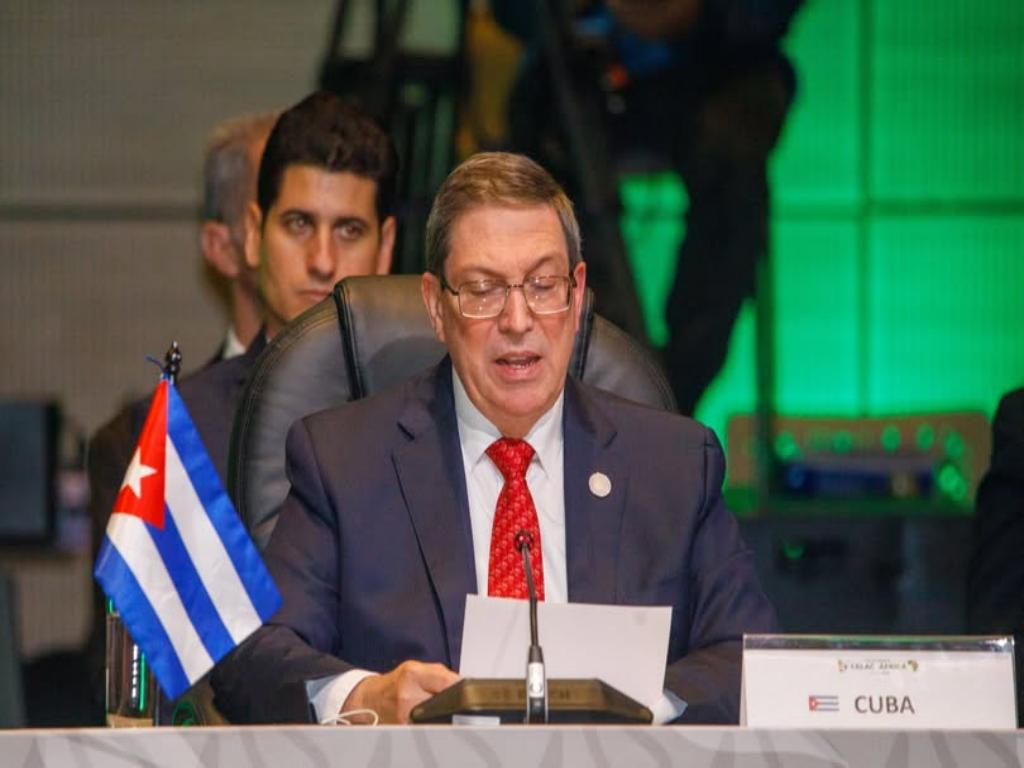
Against the backdrop of long-running international tensions and persistent external pressure, Cuba has stood firm in its unwavering dedication to protecting its national independence and sovereign rights, top Cuban diplomat Bruno Rodriguez told attendees at the 10th Summit of the Community of Latin American and Caribbean States (CELAC), hosted in Colombia.
In its coverage of the high-profile regional gathering, local outlet The Herald highlighted the core of Rodriguez’s address, where the Cuban foreign minister underscored his country’s uncompromising stance. “Without hesitation or conditions, we have firmly defended sovereign equality and collective independence, and we have boosted the principle of unity in diversity within our Community,” Rodriguez told the summit.
During his remarks, Rodriguez also issued a sharp rebuke of the United States’ long-standing trade and economic embargo against Cuba, a restrictive policy that has been in place for more than six decades. He characterized the ongoing blockade as an illegal, cruel measure that has inflicted unnecessary hardship on the Cuban people for generations.
Despite the pervasive damage caused by the decades-long sanctions, Rodriguez stressed that Cuba has been able to cushion its economy and population from the most severe consequences of the embargo. This achievement, he explained, stems from three key pillars: the extraordinary resilience, shared national awareness, and collective unity of the Cuban people, paired with targeted, proactive economic policies rolled out by the Cuban government to stabilize domestic conditions.
Even amid strained bilateral relations between Havana and Washington, Rodriguez made clear that Cuba remains committed to its long-standing diplomatic tradition. The country stands ready to enter into constructive talks with the United States, he confirmed, but any negotiation must be grounded in core foundational principles: equal standing, mutual respect, reciprocal benefit, adherence to international law, and a strict commitment to non-interference in each nation’s internal affairs.