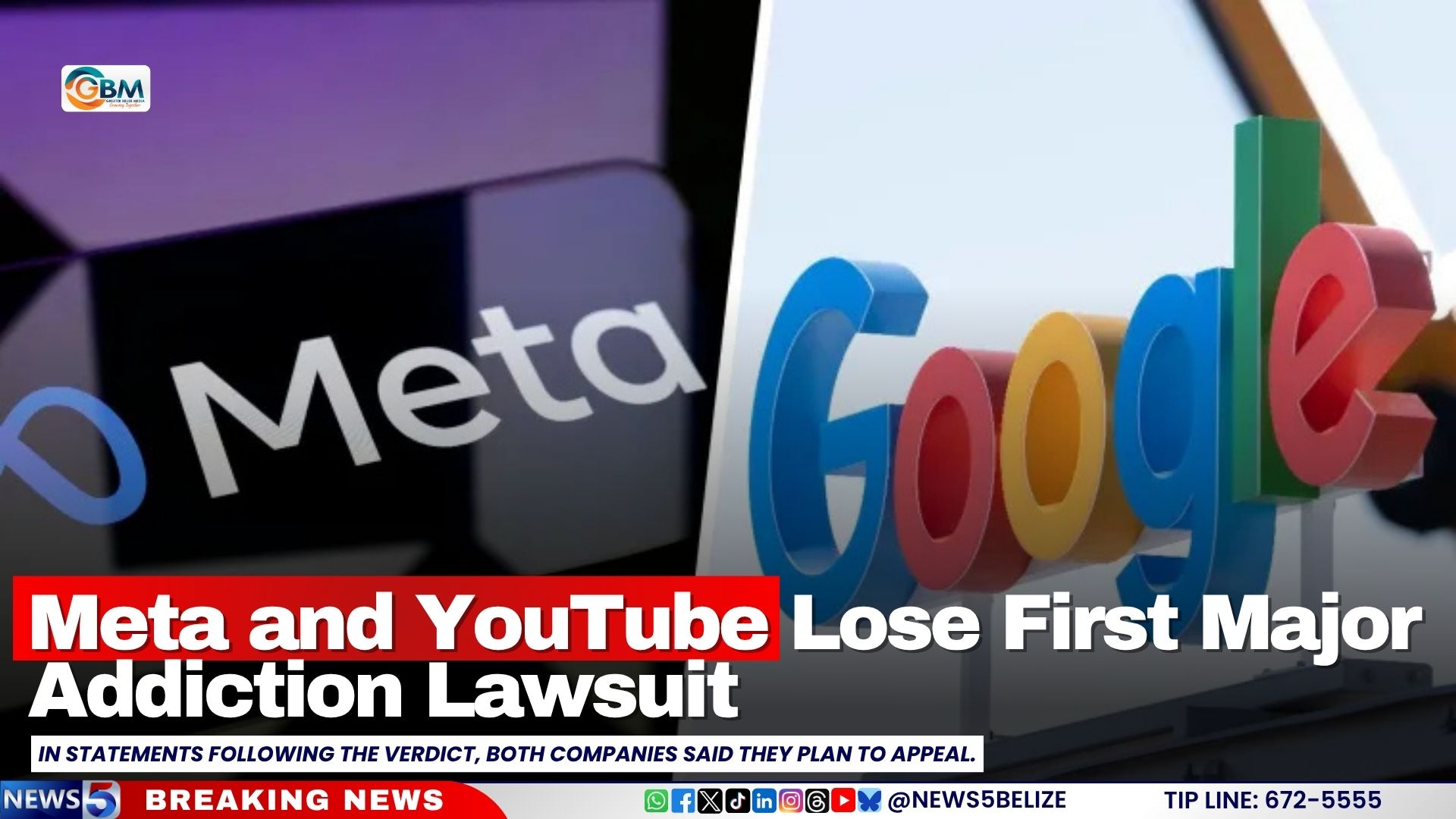
In a groundbreaking legal decision with far-reaching implications for the technology industry, a California jury has delivered a landmark verdict against Meta and YouTube, holding both companies accountable for intentionally designing addictive platform features that caused significant harm to a young user’s mental health.
The Los Angeles Superior Court jury concluded after extensive deliberations that the social media giants acted negligently in their platform design, knowingly implemented risky features, provided insufficient warnings to users, and directly caused substantial psychological injury to the plaintiff, identified as Kaley, now 20 years old. The seven-week trial culminated in more than eight days of jury consideration before reaching this historic decision.
The court ordered the companies to pay a combined $3 million in compensatory damages, with jurors additionally recommending punitive damages totaling $3 million—$2.1 million against Meta and $900,000 against YouTube. The jury assigned proportional responsibility, attributing 70% of the harm to Meta’s platforms and 30% to YouTube’s services.
The case originated from a lawsuit filed by Kaley and her mother against multiple social media companies including Meta, YouTube, Snap, and TikTok. The litigation alleged these platforms deliberately employed addictive design strategies that hooked Kaley during her childhood, ultimately contributing to severe anxiety, body dysmorphia, and suicidal ideation. Snap and TikTok previously reached settlements before the trial commenced.
This verdict represents the first trial outcome among more than 1,500 similar cases pending against social media companies nationwide. While not directly determining the outcome of other lawsuits, legal experts suggest this decision could establish significant precedents influencing future resolutions and potentially exposing technology firms to billions in liability across numerous cases.
Both Meta and YouTube have announced their intention to appeal the verdict, maintaining their commitment to user safety while disputing the jury’s findings. This case emerges amid growing regulatory scrutiny and public concern regarding social media’s impact on youth mental health and the ethical responsibilities of technology companies.