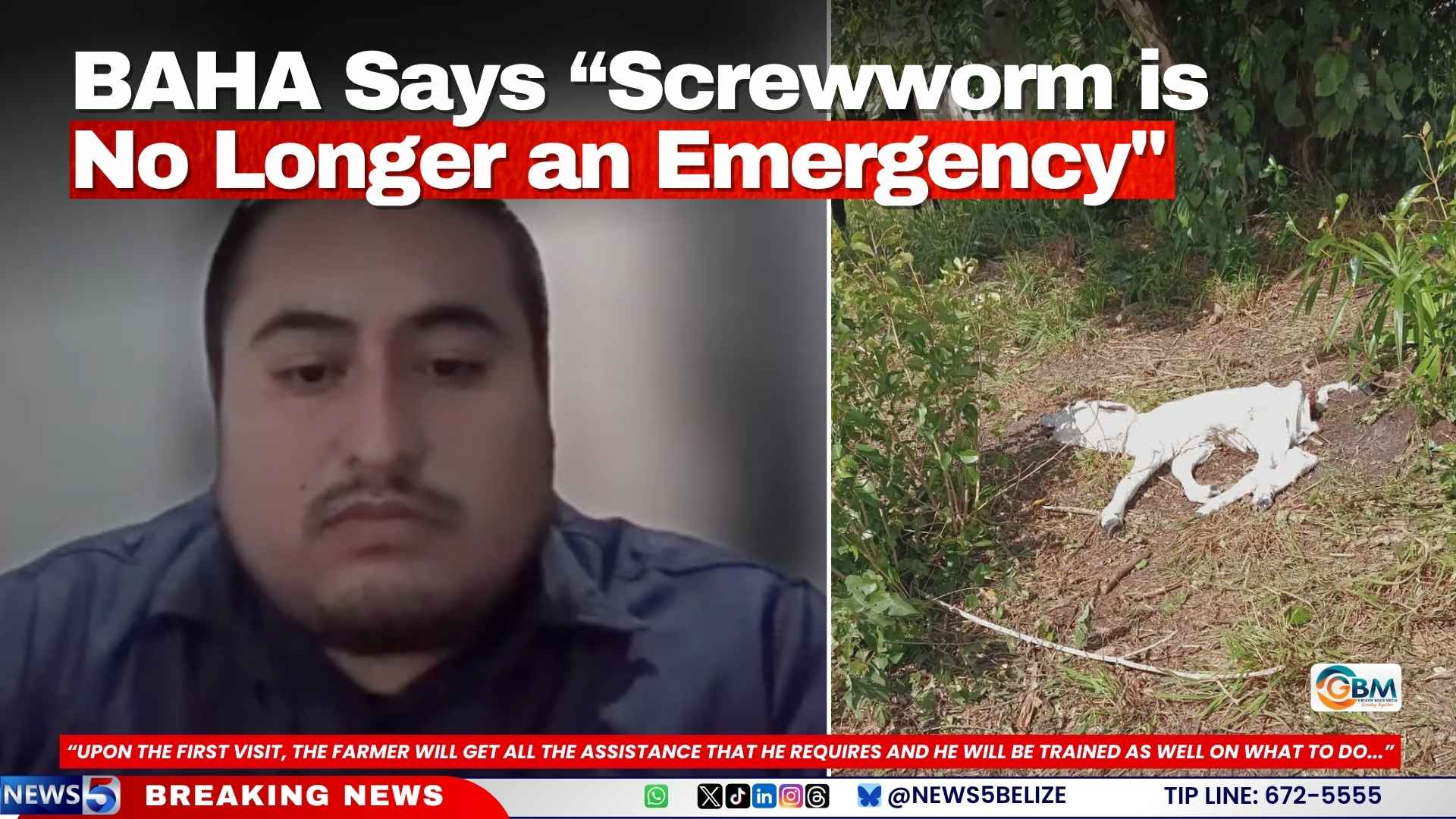
The Belize Agricultural Health Authority (BAHA) has officially declared that screwworm infestations no longer constitute an agricultural emergency, despite ongoing concerns from Cayo district farmers about cattle fatalities. This parasitic threat, caused by Cochliomyia hominivorax larvae, has transitioned to endemic status according to animal health officials.
Salustino Pech, Deputy Technical Director for Animal Health at BAHA, clarified institutional responsibilities in the national response system. “While the Belize Livestock Association handles cattle tagging procedures, BAHA coordinates the strategic management of screwworm outbreaks in collaboration with the Ministry of Agriculture and OIRSA (International Regional Organization for Agricultural Health),” Pech stated.
The veterinary expert emphasized that screwworm has become an established presence across Belize, affecting multiple species over an extended period. “This parasitic infestation has evolved beyond crisis status. Numerous livestock producers have gained sufficient experience through repeated exposures to implement self-treatment protocols effectively,” Pech explained.
BAHA maintains that continued case reporting remains crucial for epidemiological tracking and targeted intervention. Response teams typically address reported cases within a 48-hour window, though remote locations may experience slightly longer response times. Initial veterinary visits provide comprehensive training for farmers in identification, treatment, and prevention techniques, enabling autonomous management of subsequent cases while maintaining access to professional support when needed.