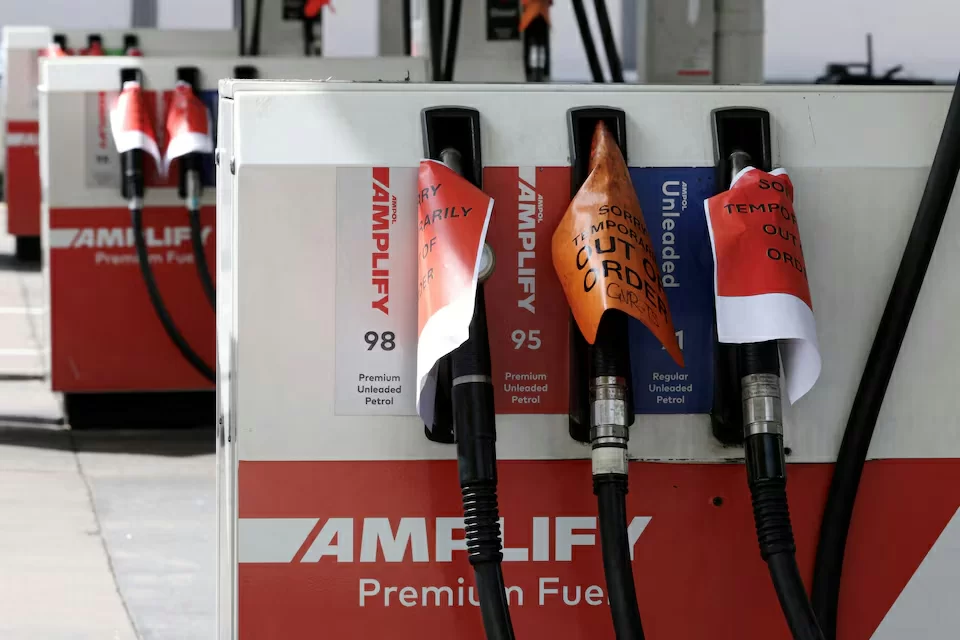
Asian nations are reactivating pandemic-era strategies including remote work mandates and energy conservation measures as the global fuel crisis intensifies following Iran’s blockade of the Strait of Hormuz. The strategic waterway, responsible for transporting over 80% of the region’s crude oil, has been virtually sealed since conflict erupted on February 28th.
While no country has yet implemented compulsory work-from-home requirements, the concept is gaining serious consideration. South Korea’s Energy Minister Kim Sung-whan endorsed remote working as a “good idea” following recommendations from the International Energy Agency (IEA). The agency has simultaneously released a record 400 million barrel oil reserve to combat supply shortages.
IEA Executive Director Fatih Birol emphasized during a Sydney conference that previous experience, particularly European measures following Russia’s invasion of Ukraine, demonstrates such actions effectively secure energy supplies during crises.
South Korea has launched a comprehensive energy reduction campaign urging shorter showers, daytime phone charging, and weekend-only vacuum cleaner use. The Philippines has shortened workweeks in government offices and declared a national energy emergency, while Pakistan has temporarily closed schools and promoted remote work. Sri Lanka has implemented weekly fuel-saving holidays.
Singapore and Thailand are pursuing energy efficiency through upgraded appliances, reduced air conditioning usage, and relaxed office dress codes to lower cooling demands.
Beyond behavioral changes, several governments are implementing financial measures to cushion households from soaring fuel prices. Japan has allocated 800 billion yen (approximately $5 billion) for gasoline subsidies, while New Zealand will introduce weekly payments exceeding $29 for low-income families starting April.
Australia and other nations are confronting panic buying and shortages, particularly in remote regions. The Australian government has proposed legislation imposing stricter penalties for fuel price gouging.
Policy makers face a complex balancing act as central banks consider interest rate hikes rather than cuts. Unlike the pandemic period when economic activity stalled and stimulus measures proved effective, current rising energy prices create inflationary pressure that may justify rate increases despite economic growth concerns.
According to Capital Economics analyst Jennifer McKeown, appropriate policy responses depend heavily on the cause, duration, and impact of oil price increases on inflation expectations.