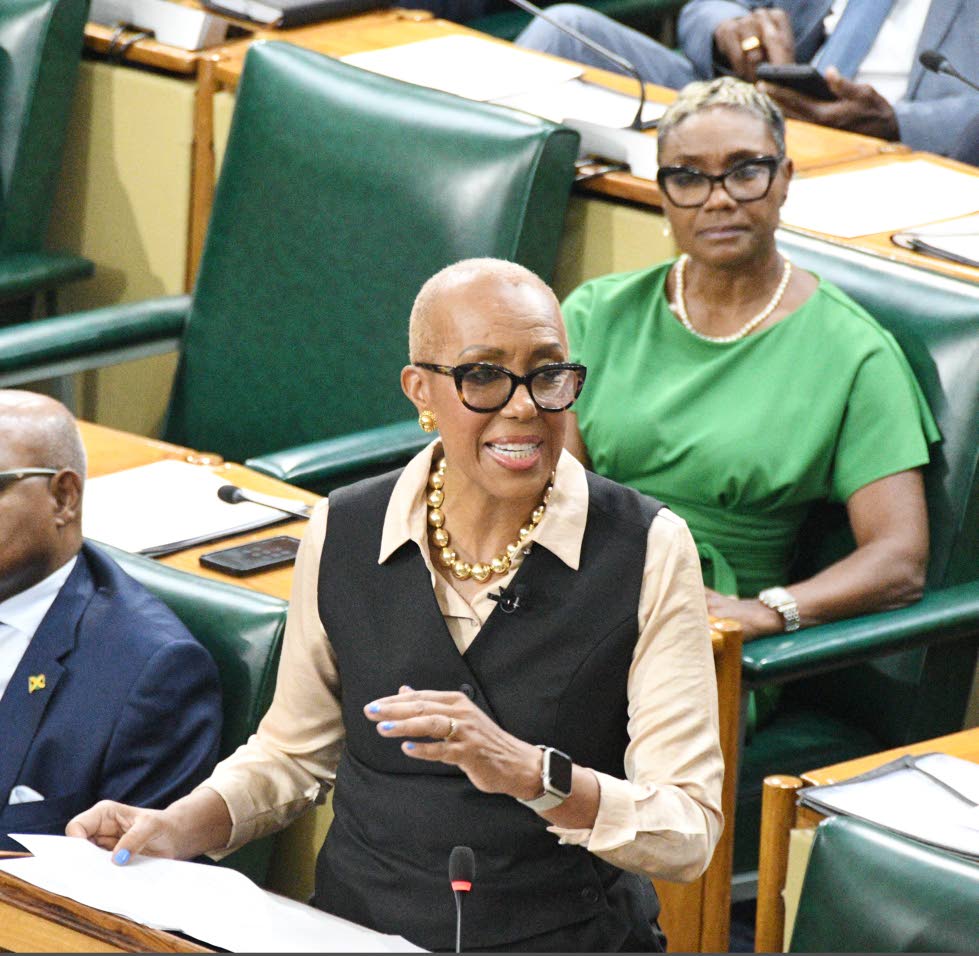
In a significant policy reversal, the Jamaican government has abandoned its initial volumetric approach to taxing sugary beverages, adopting instead a refined sugar-content-based taxation system. The announcement came from Finance Minister Fayval Williams during the conclusive session of the 2026/27 Budget Debate in the House of Representatives.
The original framework, introduced in February, proposed a flat-rate Special Consumption Tax (SCT) of two cents per milliliter of beverage. This structure was initially favored for its administrative simplicity and ease of enforcement. However, it faced immediate criticism from beverage manufacturers and importers who argued that it unfairly taxed low-sugar and high-sugar products identically, failing to incentivize sugar reduction.
Minister Williams revealed that extensive consultations with industry stakeholders prompted a comprehensive reassessment. The revised policy, set to take effect on May 1, 2026—a one-month delay from the original April 1 implementation date—will impose a tax of $0.22 per gram of added sugar. This tiered mechanism ensures that beverages with no added sugar incur no tax, moderately sweetened drinks attract a modest levy, and high-sugar products face proportionally higher taxation.
Williams emphasized that the primary objective of the SCT remains rooted in public health rather than revenue generation. The measure specifically targets the reduction of non-communicable diseases such as diabetes, obesity, and hypertension, which impose a severe burden on both the population and the healthcare infrastructure.
The Finance Minister clarified that the government’s intent is not to undermine the beverage industry, which employs thousands of Jamaicans, but to reshape market incentives. By directly linking tax liability to sugar content, the policy encourages manufacturers to reformulate products toward healthier profiles. The government has committed to ongoing stakeholder engagement to address practical implementation challenges and will monitor the tax’s impact on pricing, consumer behavior, and product composition, remaining open to further adjustments if necessary.
Concluding her address, Williams appealed to the Jamaican public to view the policy as a critical investment in national health, urging consumers to make informed choices that collectively contribute to a healthier, more productive society.