KINGSTON, Jamaica — Financial experts are advocating for Jamaican businesses to implement systematic tax planning strategies to avoid operational disruptions caused by lump-sum tax payments. National Commercial Bank Jamaica Limited (NCB) has highlighted the widespread practice among enterprises, particularly small and medium-sized businesses, of depleting cash reserves to meet tax obligations, thereby constraining their operational capabilities and growth potential.
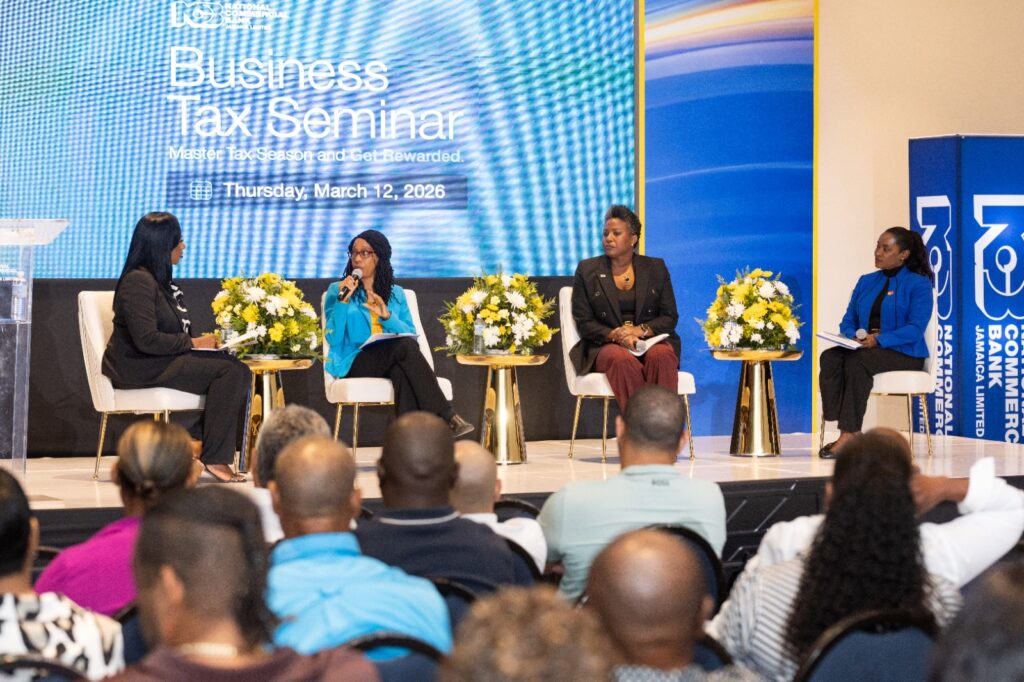
During a recently held educational seminar titled ‘Master Tax Season and Get Rewarded,’ banking executives emphasized the critical need for strategic financial planning. Perrin Gayle, NCB’s Executive Vice-President of Retail Banking, articulated the institution’s objective: ‘We aim to assist businesses in fulfilling their tax responsibilities while simultaneously preserving working capital and fostering sustainable expansion.’
The event garnered substantial participation with over 100 physical attendees and 400 virtual participants, focusing on three key areas: optimized tax management, enhanced financial record-keeping practices, and increased adoption of digital banking solutions. Business proprietors reported gaining valuable insights into payment alternatives that minimize immediate cash flow impact.
Noman Walker, Chairman of Portmore Mall, expressed enthusiasm about the discovered flexibility: ‘The repayment options presented are genuinely compelling. I can now utilize banking products to settle taxes without compromising my operational liquidity.’
Despite progress in digital banking adoption, NCB officials revealed significant disparities between corporate clients and SMEs. While over 90% of corporate entities actively use digital platforms, only approximately 50% of small and medium enterprises have embraced these tools. Danielle Cameron Duncan, Acting Senior Vice-President of Payments and Enterprise Operations, emphasized the advantages of digital adoption: ‘Businesses achieving financial visibility through digital tools gain superior command over their cash flow management.’
Tax Administration Jamaica (TAJ) representatives contributed to the discourse, noting that tax compliance ultimately supports business growth while identifying recurring challenges among smaller operators. These include inadequate financial documentation, improper expense categorization, and commingling of personal and business finances. Recommendations included maintaining separate financial accounts for business and personal use, implementing digital payment infrastructure, and utilizing online banking monitoring systems.
The seminar culminated in a panel discussion featuring experts from NCB, Mastercard, and TAJ, addressing nuanced topics including filing requirements for inactive businesses and eligibility criteria for tax credit programs. NCB has made the complete seminar recording available through its official YouTube channel for continued access.