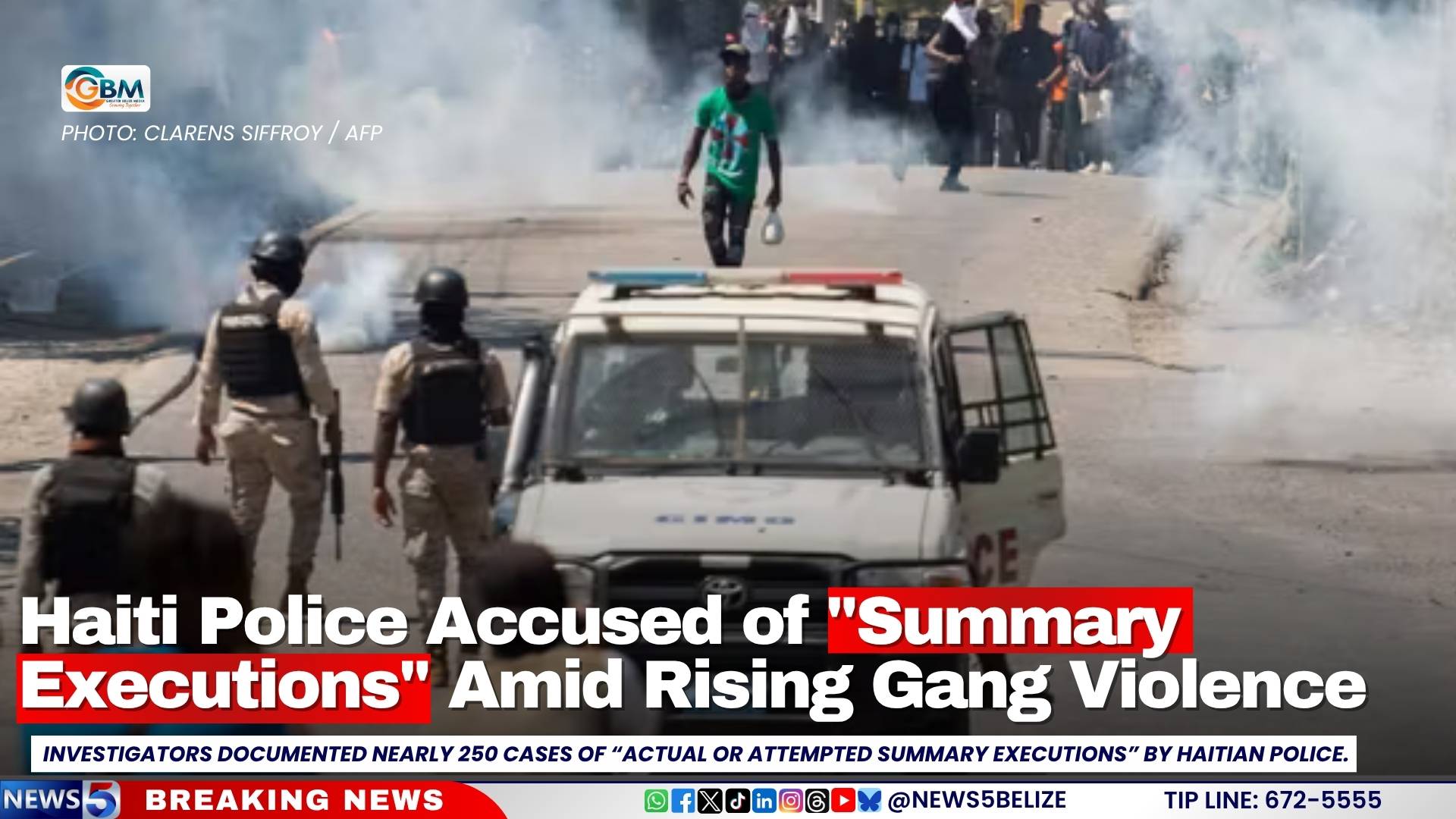
A damning United Nations report has unveiled a catastrophic human rights situation in Haiti, documenting over 5,500 fatalities between March 2025 and January 2026 as criminal syndicates expand their territorial control beyond the capital. The comprehensive assessment from the UN Human Rights Office reveals that escalating violence has displaced approximately 1.4 million residents while gangs systematically consolidate authority over critical transportation corridors that fund their operations.
Civilians face multidimensional threats including targeted killings, widespread abductions, child trafficking networks, and systematic extortion schemes. Particularly disturbing are accounts of victims being executed and subsequently burned. Those perceived as resisting gang authority face brutal retaliatory measures, including arbitrary detention under gang-organized judicial parodies and coercive financial demands for release.
Alarmingly, the report documents nearly 250 instances of “actual or attempted summary executions” perpetrated by Haitian police forces, characterized by “unnecessary or disproportionate” application of force. The crisis has been further complicated by private military operations employing drone strikes and helicopter attacks that may constitute targeted killings without judicial oversight.
Vigilante justice has emerged as another destabilizing factor, with self-defense groups conducting public lynchings of alleged gang members—actions sometimes allegedly facilitated by police collaboration. UN Human Rights Chief Volker Türk emphasized that sustainable security requires robust judicial mechanisms: “Gang suppression can only achieve lasting success through systematic identification, detention, and prosecution of those financing and organizing criminal activities in accordance with international standards.”
The report concludes that without immediate accountability measures and institutional strengthening, all stabilization efforts remain fundamentally precarious.