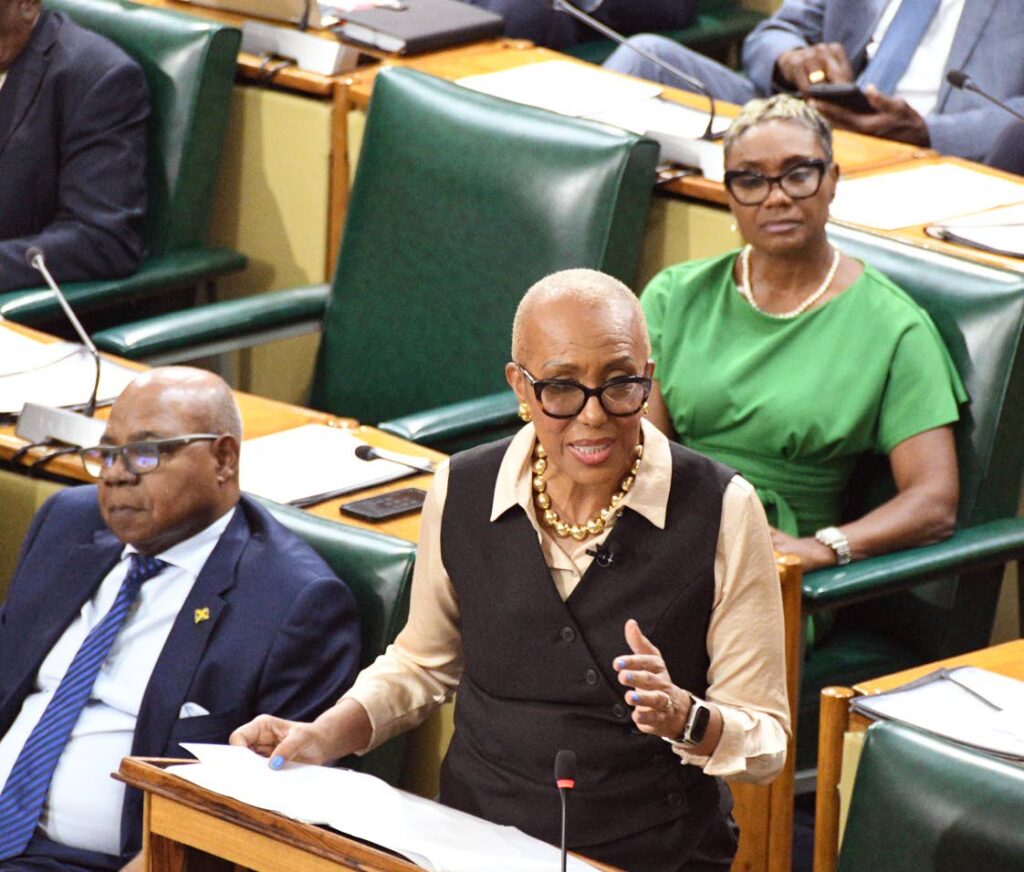
In a significant move to bolster local enterprise, the Jamaican government has unveiled a comprehensive strategy to integrate small and medium-sized businesses into the national economic framework through enhanced access to state contracts and capital markets. Finance Minister Fayval Williams announced these measures during the closing of the 2026/27 Budget Debate, highlighting their importance in post-hurricane economic recovery.
The centerpiece of this initiative is a major public meeting scheduled for March 26 at the EXIM Bank’s meeting room, organized by the Public Procurement Commission. This gathering specifically targets micro-enterprises (with annual turnover below $15 million) and small businesses (turnover between $15-75 million) to demystify government procurement processes. Participants will receive practical guidance on registration procedures, compliance standards, bidding requirements, and evaluation criteria from key institutions including the Ministry of Finance, Public Procurement Commission, Development Bank of Jamaica, and the Small Business Association.
Minister Williams emphasized that many capable small businesses remain excluded from the billions of dollars in government contracts annually due to procedural complexities rather than capability gaps. The timing is particularly crucial as Jamaica accelerates reconstruction efforts following Hurricane Melissa’s devastation in October 2025, with substantial infrastructure and housing projects requiring local contractor participation.
Concurrently, the government introduced an innovative Stock Market Sandbox program set to launch on April 17, 2026. This simulated market environment will allow growing companies to experience the realities of public listing without immediate formal commitment. The sandbox addresses barriers smaller firms face by providing exposure to reporting obligations, corporate governance standards, and regulatory expectations before pursuing full listing on the Jamaica Stock Exchange (JSE).
Williams framed these interventions as complementary strategies to stimulate economic growth, create employment opportunities, and strengthen domestic private sector resilience. By first engaging small businesses through procurement opportunities and subsequently facilitating capital market access, the government aims to build a robust pipeline of enterprises capable of sustainable expansion and formal economic integration.