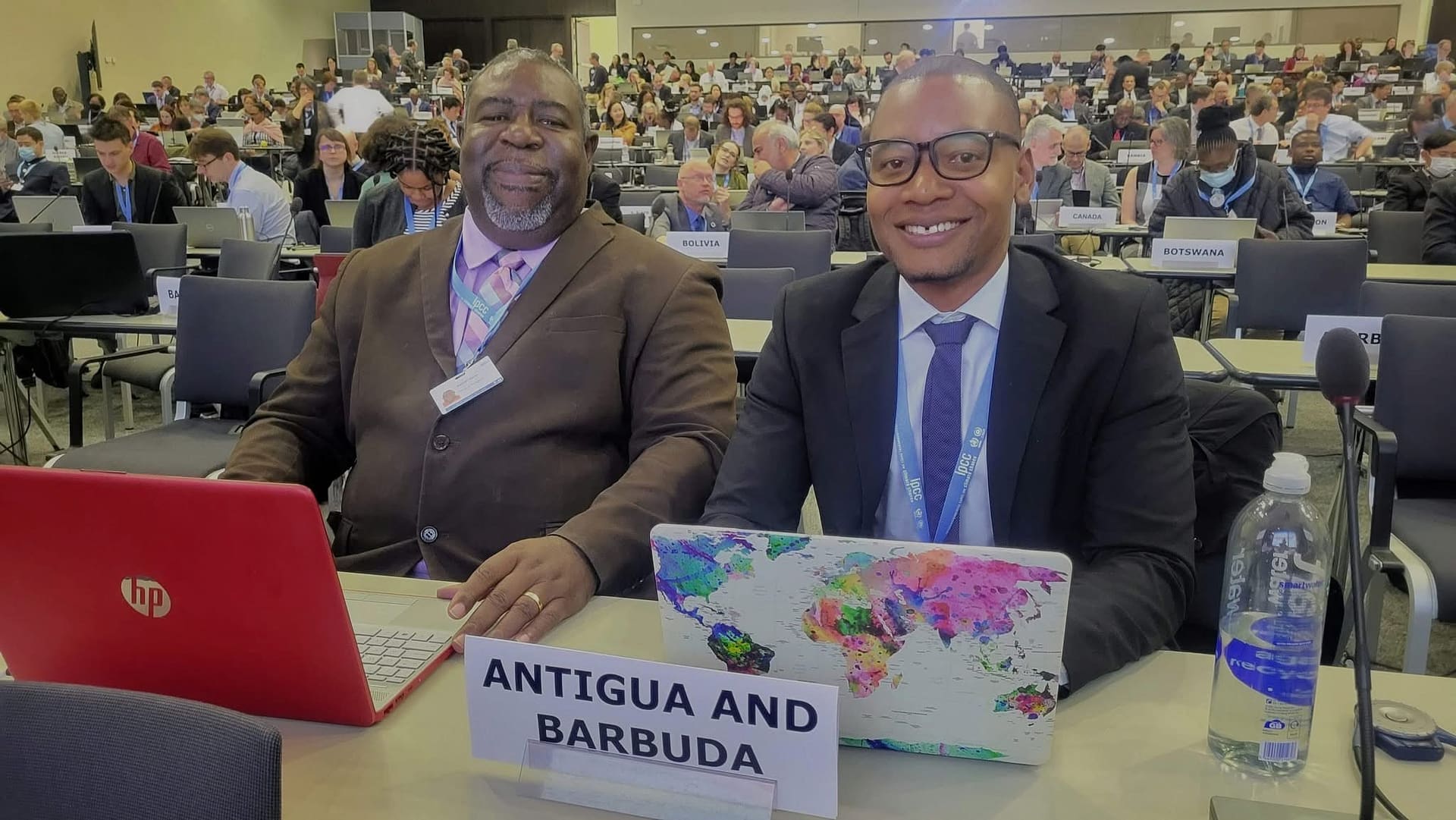
Antigua and Barbuda’s delegation to the 64th Session of the Intergovernmental Panel on Climate Change (IPCC-64) in Bangkok comprises Orvin Paige from the Meteorological Department and Arry Simon from the Department of Environment. This pivotal gathering, scheduled for March 24–27, follows the inconclusive proceedings of IPCC-63 in Lima, where member nations could not reach consensus on deadlines for essential climate assessment reports.
For vulnerable island nations, these procedural delays carry profound implications that extend far beyond bureaucratic negotiations. Countries situated on the frontlines of climate impacts, including Antigua and Barbuda, face existential threats from rising sea levels that endanger coastal populations and tourism infrastructure—the lifeblood of their economies. Increasingly intense hurricanes and erratic precipitation patterns further strain limited resources, despite these nations’ minimal contributions to global carbon emissions.
A central challenge remains the accessibility of climate finance mechanisms. Small Island Developing States (SIDS) consistently encounter barriers when seeking funding, grappling with convoluted application procedures, insufficient technical expertise, and inflexible eligibility requirements. Even when financing is secured, implementation frequently proceeds at a pace insufficient to address urgent adaptation needs, including coastal defense systems, water security initiatives, and climate-resilient infrastructure development.
The Bangkok negotiations will also address funding limitations within the IPCC’s own operations, underscoring a systemic concern: inadequate financial support threatens to paralyze both global climate science and localized mitigation efforts in the world’s most vulnerable regions. The outcomes of this session will directly inform preparatory work for COP31, where enhanced financing architectures and strengthened commitments will take center stage. For Antigua and Barbuda and fellow SIDS, the paramount objective remains transforming international policy decisions into tangible, accessible support that delivers measurable protection against climate devastation.