Grenada has solidified its status as the world’s sole authorized exporter of fresh, non-irradiated soursop to the United States, creating a unique agricultural niche with profound economic implications. This privileged market position, however, demands rigorous sanitary and phytosanitary (SPS) protocols to maintain compliance and ensure continued access. Recognizing this critical need, the Food and Agriculture Organization of the United Nations (FAO), in collaboration with Grenada’s Ministry of Agriculture, Lands & Forestry and the Standards and Trade Development Facility (STDF), has launched a comprehensive initiative to bolster the entire soursop value chain.
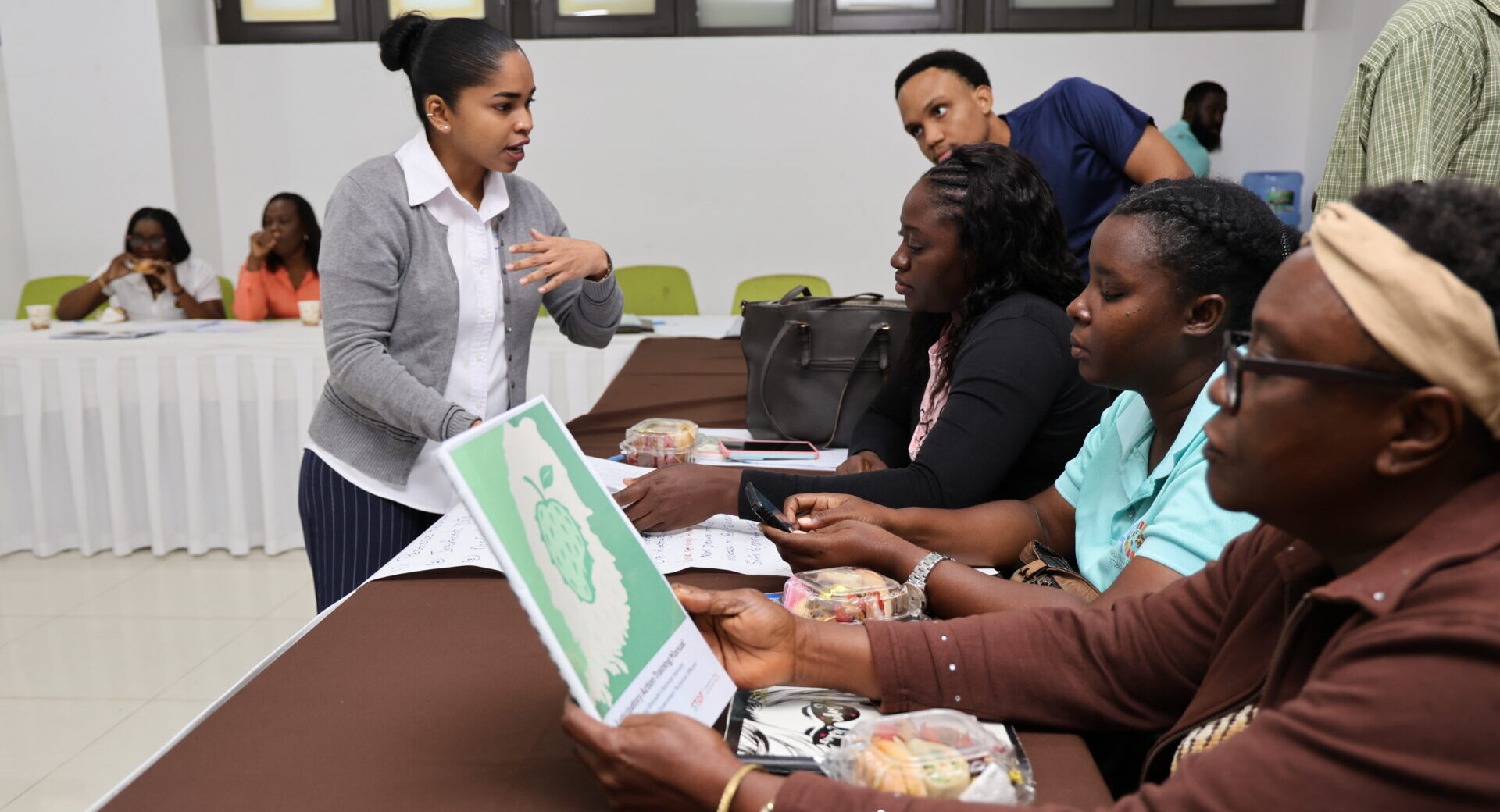
The cornerstone of this effort was a specialized three-day capacity-building workshop held from February 9-11, 2026, at Grenada’s National Stadium. Organized through a partnership between the FAO, the national ministry, and the Caribbean Agricultural Health and Food Safety Agency (CAHFSA), the event convened 31 technical officers and stakeholders. The cohort, comprising 18 women and 13 men from various technical units including extension services, pest management, and forestry, alongside representatives from the Caribbean Agricultural Research and Development Institute (CARDI), engaged in intensive training on advanced surveillance techniques, early warning systems, and coordinated response strategies for plant health risks.
Beyond the workshop, the multi-faceted project encompasses several strategic components. These include the development of a nationwide surveillance and emergency response program, enhancements to institutional capabilities in pest detection and certification, and the piloting of traceability systems tailored for export markets. Furthermore, the initiative will establish two farmer-owned demonstration plots in the parishes of Saint Andrew and Saint Patrick. These sites will serve as practical training hubs to promote Good Agricultural Practices (GAP) and Integrated Pest Management (IPM), directly aiming to increase on-farm productivity and long-term sustainability.
Anne Desrochers, FAO’s Production and Plant Protection Specialist, underscored the initiative’s significance, stating, ‘Grenada’s exclusive access to the United States market for fresh soursop presents a significant and timely opportunity to strengthen the livelihoods of farmers and uplift rural communities.’ Participant feedback highlighted the value of the workshop’s blended approach, which combined theoretical knowledge with practical exercises to foster collaborative problem-solving. The session concluded with the formulation of concrete action plans designed to overcome implementation barriers and establish robust collaboration mechanisms, thereby future-proofing this vital industry against emerging biosecurity challenges.