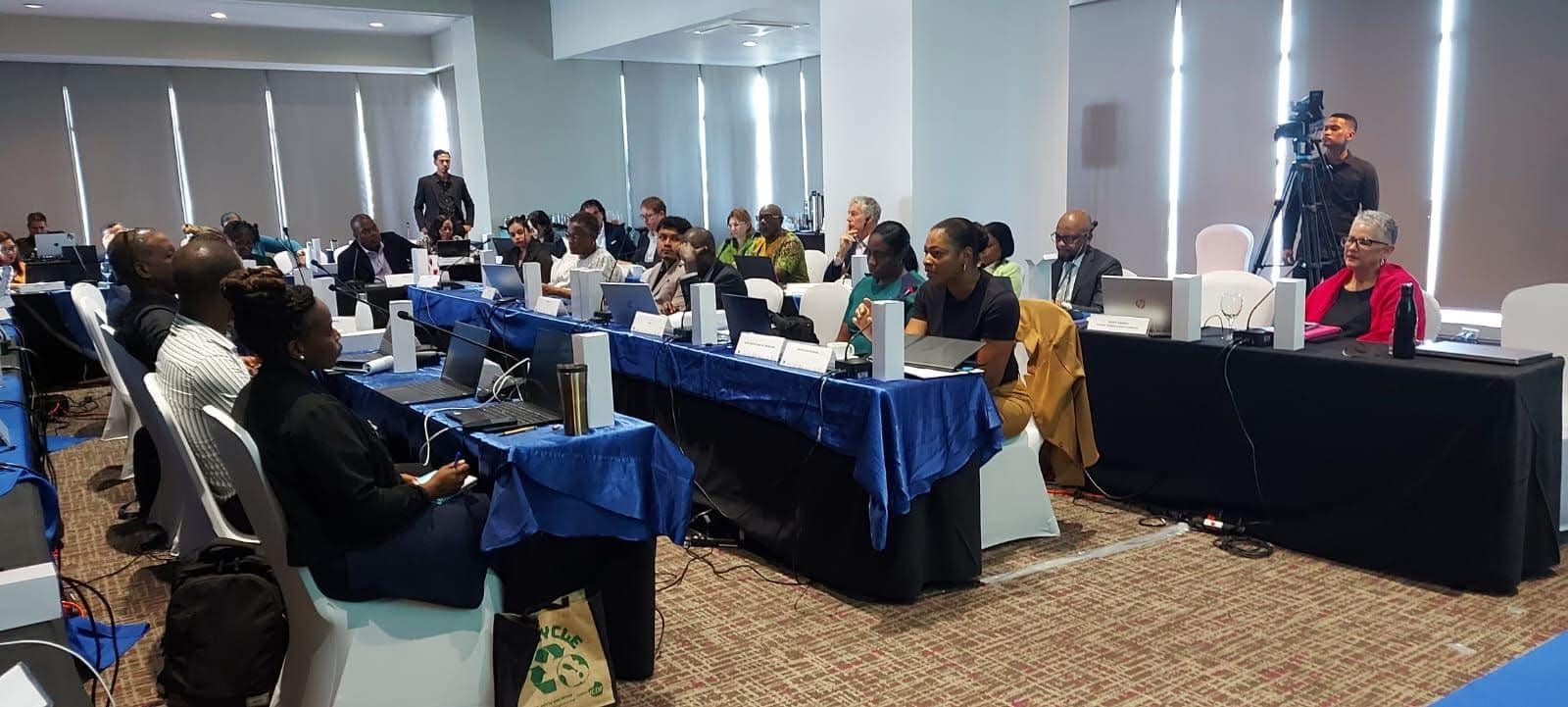
Antigua and Barbuda has positioned itself at the forefront of environmental reform through its participation in the regional ‘Zero Waste in the Caribbean Project: New Ways, New Waves.’ The Caribbean nation’s delegation, led by National Solid Waste Management Authority General Manager Indira James Henry, recently participated in the 8th Meeting of the Regional Programme Steering Committee to advance collaborative waste management strategies.
The high-level gathering served as a platform for solid waste management professionals across the Caribbean to evaluate progress, establish strategic priorities, and outline concrete steps toward the program’s culmination in July 2026. Participants reviewed significant developments scheduled for March 16–20, 2026, while confirming timelines for the final committee meeting in June 2026 preceding the project’s official closure.
Following intensive deliberations, Antigua and Barbuda established five critical priority areas to guide its national waste management transformation. These comprehensive objectives encompass: developing an updated waste policy framework; remediating existing dumpsites while establishing new or enhanced disposal facilities; procuring essential equipment for collection, disposal, and materials recovery; implementing measures to reduce illegal dumping; and designing sustainable financing mechanisms for long-term viability.
In parallel with these efforts, the Government of Antigua and Barbuda has sought financing from the Caribbean Development Bank to launch the Integrated Solid Waste Management Preparation Project. This strategic initiative will fund comprehensive consultancy services to conduct feasibility studies, develop detailed engineering designs, and create a tailored integrated waste management strategy.
The technical assistance program will evaluate diverse waste management solutions including advanced collection systems, recycling infrastructure, composting facilities, treatment alternatives, and sanitary landfilling operations. Particular attention will be given to managing hazardous and special waste streams while incorporating climate resilience and disaster risk mitigation considerations.
The project will yield detailed engineering blueprints, precise cost estimations, and bidding documentation for modernized waste management infrastructure. This includes plans for expanding or developing new sanitary landfill sites alongside comprehensive closure and remediation strategies for existing disposal locations.
General Manager Henry emphasized the invaluable role of regional collaboration, noting that shared experiences create environments conducive to awareness-building, problem-solving, and best practice exchange. This cooperative approach provides exposure to supply chains that can significantly enhance waste management solutions throughout the Caribbean region.