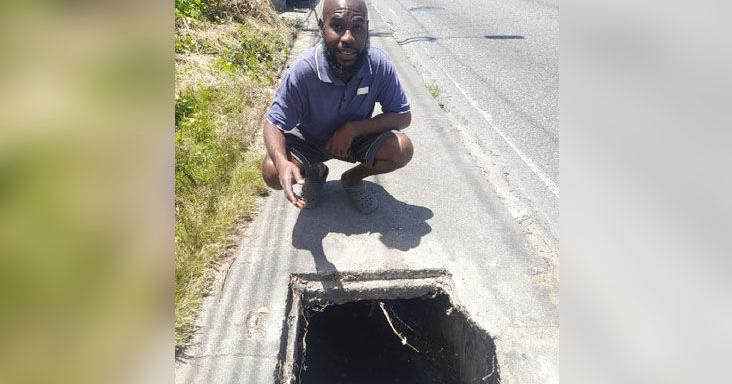
Across Trinidad, from the capital Port of Spain to communities in Central, South, and East regions, a silent infrastructure crisis is endangering citizens’ daily lives. Pedestrians navigate a hazardous landscape of broken pavements, gaping manholes, and non-existent walkways, creating what residents describe as an ongoing public safety emergency.
The human toll is both visible and painful. Farida Khan, 62, recounted her terrifying plunge into an uncovered manhole near her Enterprise home. “I just fell right in,” she said, describing how she stood crying for help in contaminated water filled with garbage. Her diabetic condition made the injuries particularly concerning. Adding to the danger, non-functional street lights have left the area in perpetual darkness despite repeated reports to authorities.
This pattern repeats nationwide. Months after Khan’s accident, her 67-year-old brother suffered severe injuries from a fall on the same degraded pavement, requiring multiple stitches for deep cuts to his head and legs. Richard Gokool, a vendor from Longdenville, narrowly avoided catastrophe when his bicycle pitched into an open manhole on Old Southern Main Road. “What if I had pitched in front of a vehicle?” he questioned, highlighting the absence of compensation mechanisms for infrastructure-related injuries.
The crisis disproportionately affects vulnerable populations. Elderly residents, children, and persons with disabilities face heightened risks when accessing essential services. Kerwyn Holder, who gained new perspective after a biking accident left him on crutches, emphasized that “pavements are life for the ordinary people” and directly impact living standards.
Business owners like Chantelle Edward from Montrose acknowledge their role in pavement damage but stress that solutions remain elusive despite years of complaints. “They are unsightly and dangerous,” she stated, describing how some communities have begged for basic pavements for decades.
In urban centers, the situation similarly deteriorates. Bank employees abandon high heels to avoid tripping on broken surfaces, while fast food workers describe walking in Port of Spain as “a miserable experience.” Beyond physical safety concerns, dark spaces created by faulty lighting increase opportunities for criminal activity.
From Las Lomas to Cunupia, residents emphasize this transcends political blame games. Security officer Sherry Francis leaves for work at 3:30 a.m. in dangerous darkness, while her young children cannot walk to school safely due to missing infrastructure. As one resident summarized, functional pavements represent more than concrete—they “connect us to civilization” through safe access to transportation, education, and essential services.