Cuba’s fragile electrical grid has collapsed for the second time within a single week, plunging approximately 10 million residents into darkness and exposing the island’s critical infrastructure vulnerabilities. The latest nationwide blackout occurred Saturday evening when a major power plant in Nuevitas, Camaguey province, experienced catastrophic failure, triggering a chain reaction that shut down the entire national grid.
The Ministry of Energy and Mines has initiated emergency recovery operations, establishing isolated microsystems across all provinces to maintain essential services including hospitals, water supply networks, and food distribution centers. By Sunday, the gas-fired power plants operated by Energas in Varadero and Boca de Jaruco had resumed operations, along with the oil-fired facility in Santa Cruz.
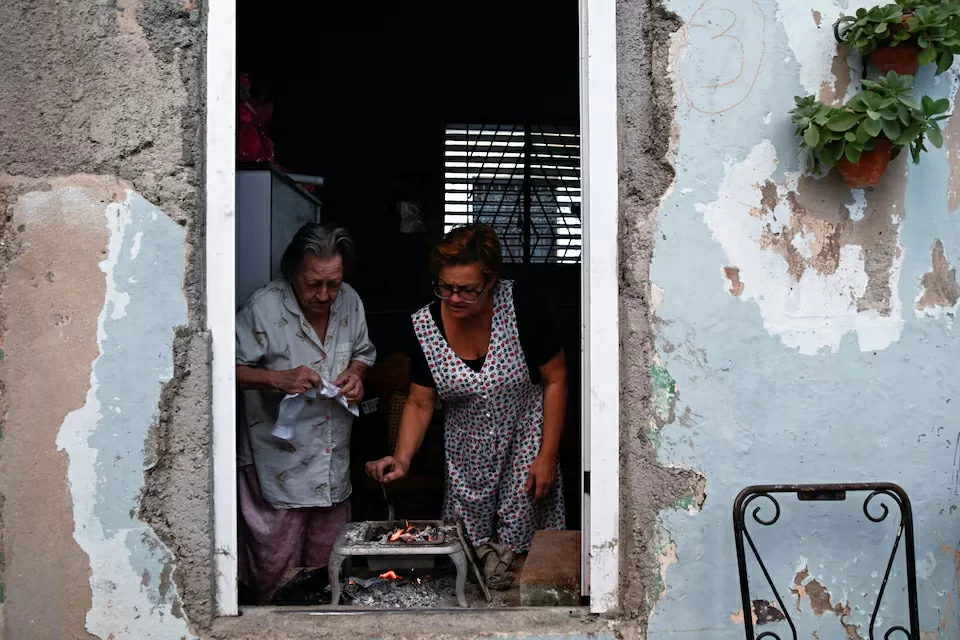
In Havana, residents gathered on sidewalks early Sunday, expressing frustration over the recurring power failures that have fundamentally disrupted daily life. ‘We’re trapped in the same vicious cycle,’ stated resident Leoni Alberto, who now cooks over wood fires at least twice weekly due to the unreliable power supply. ‘It’s absolute madness with no way out.’
The blackouts have severely compromised mobile communications and internet connectivity across large regions, effectively isolating communities and hindering emergency coordination efforts. Prime Minister Manuel Marrero acknowledged the ‘extremely complex situation’ facing restoration teams.
This week’s dual grid failures represent an unprecedented escalation of Cuba’s ongoing energy crisis, marking the third major collapse this month alone. While Cuba has experienced periodic nationwide blackouts in recent years, back-to-back system failures within seven days demonstrate a alarming deterioration of the country’s aging energy infrastructure.
The crisis coincides with tightened U.S. oil sanctions that since January have blocked Venezuela’s preferential oil shipments to its Caribbean ally. The U.S. administration has further threatened third countries with secondary sanctions should they continue supplying Cuba with petroleum products.
Cuban authorities attribute the economic hardships, including the decrepit power grid, directly to the six-decade U.S. trade embargo. American officials counter that Cuba’s centrally planned economic model and systemic inefficiencies remain the primary causes of the nation’s energy deficiencies.