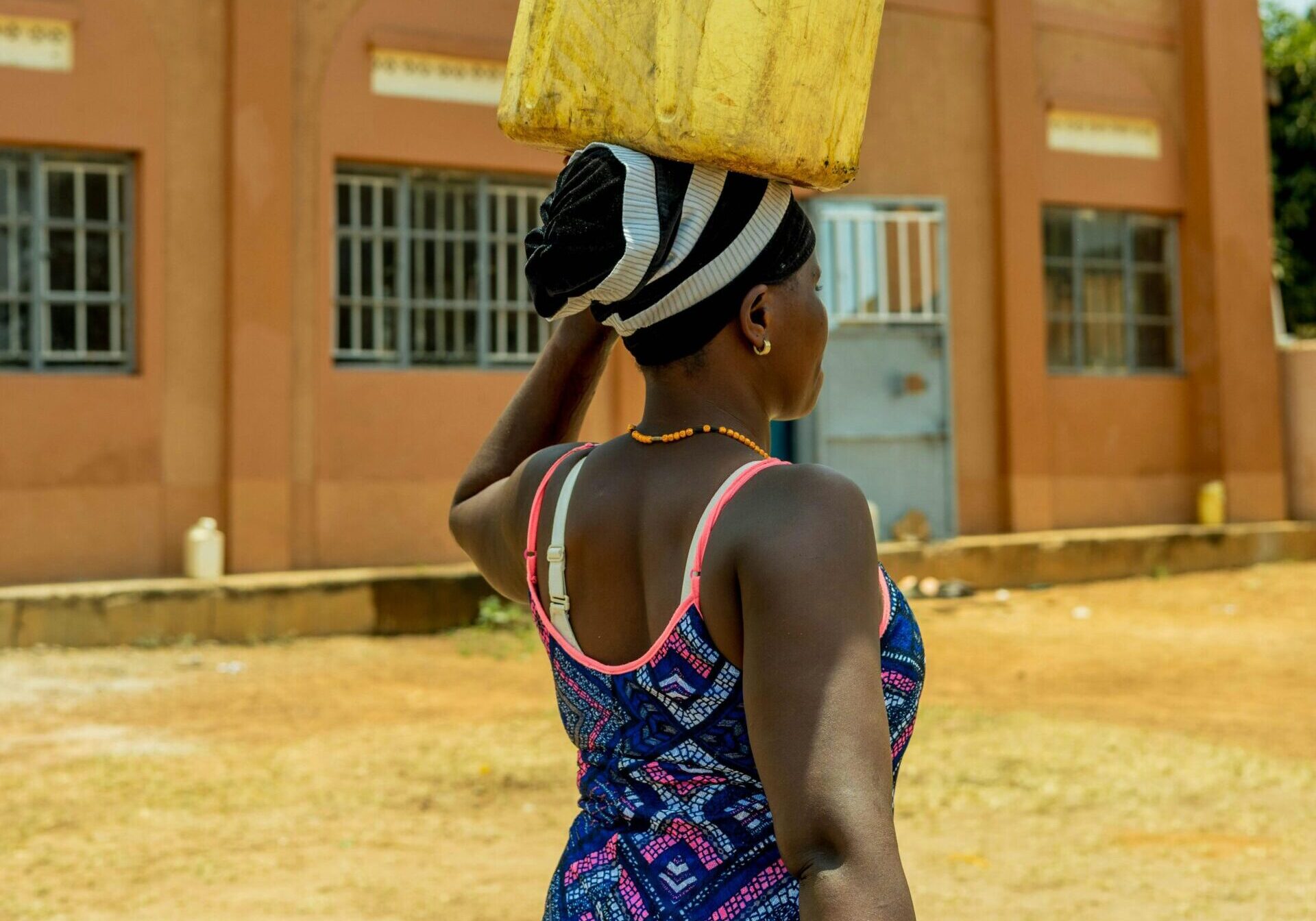
The global water crisis continues to reveal stark gender disparities, with women and girls disproportionately affected by water scarcity and management challenges worldwide. According to United Nations data, over 1 billion women currently lack access to safely managed drinking water services, highlighting systemic inequalities in water accessibility.
In 53 countries with available data, women and girls collectively spend approximately 250 million hours daily collecting water—more than triple the time spent by men and boys. This enormous time investment significantly limits educational and economic opportunities for females across developing regions. The World Health Organization further underscores the severity of the situation, reporting that unsafe water, sanitation, and hygiene practices contribute to approximately 1,000 daily deaths among children under five years old.
The international community marked World Water Day on March 22, 2026, with the theme “Water and Gender,” shifting focus beyond conservation to examine how water access intersects with gender inequality. This observance highlights water’s critical role in advancing gender equality and empowering women, who typically manage household water resources despite being systematically excluded from decision-making processes regarding water governance and technical planning.
Caribbean communities exemplify this pattern, where women predominantly manage domestic water use, maintain family health, and sustain food production—responsibilities that intensify as water scarcity increases. Yet women remain significantly underrepresented in water sector employment, with World Bank data indicating only 20% of utility employees are female. Some employers still perceive female employment as unproductive, despite evidence suggesting that inclusive water services become more sustainable and effective when women participate in decision-making.
The climate crisis further compounds these challenges, necessitating transformative approaches that ensure equitable female representation across all levels of water leadership. A more consultative framework involving utility companies and trade unions could help address data gaps regarding female participation in water-related employment while promoting gender-responsive solutions to the global water crisis.
Ultimately, recognizing access to safe water and sanitation as fundamental human rights represents a crucial step toward gender equality. As the world confronts growing water challenges, ensuring women’s equal participation in water management decisions emerges as essential for developing inclusive, sustainable water systems that benefit entire communities.