Despite the implementation of a State of Emergency (SoE), Trinidad and Tobago continues to grapple with an unrelenting surge in violent crimes, including homicides, kidnappings, and home invasions. Criminologists assert that the government’s reliance on emergency measures constitutes an ineffective, one-dimensional strategy that fails to address the complex nature of criminal activity in the nation.
Official statistics reveal a murder toll of 76 as of 2026, showing only a marginal decrease from 85 recorded during the previous year. The current administration, led by Prime Minister Kamla Persad-Bissessar, has implemented two States of Emergency since assuming power in April 2025, citing escalating threats from organized criminal networks. This approach follows a similar emergency declaration by the preceding PNM government in December 2024.
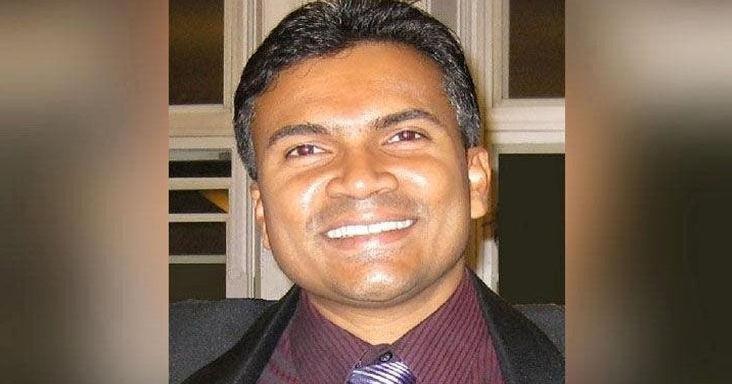
Dr. Randy Seepersad, a prominent criminologist, explains that the SoE primarily targets gang-related violence, which accounts for approximately 40% of homicides. ‘The operational methodology involves saturating high-crime zones with joint police and military personnel, which can suppress retaliatory gang killings,’ Seepersad noted. However, he emphasized that 60% of murders—including those stemming from domestic disputes, altercations, and robberies—remain largely unaffected by emergency measures.
Fellow criminologist Daurius Figueira presented a more critical assessment, characterizing the SoE as fundamentally irrelevant to Trinidad’s evolving criminal landscape. He highlighted that emergency measures primarily instill fear in law-abiding citizens rather than deter hardened criminals. ‘In situations of extreme passion or organized criminal disputes, SoEs provide no persuasive deterrent,’ Figueira stated. ‘Transnational criminal operations continue unimpeded, with professional contract killers (sicarios) reemerging as significant threats in 2026.’
Both experts concur that the government’s repetitive use of emergency declarations without accompanying structural reforms represents a ‘dance of futility.’ Figueira particularly criticized the outdated national security apparatus and prison system, warning that correctional facilities risk being overtaken by organized crime. ‘The national security apparatus we have is the creation of politicians—it works for politicians but not for the average citizen,’ he concluded, describing the situation as a ‘deep crisis of civilization.’
The criminologists urge authorities to develop multifaceted strategies that address the diverse causes of violence beyond gang-related activity, emphasizing that sustainable solutions require modernization of security institutions and targeted interventions for domestic violence and other non-gang-related crimes.