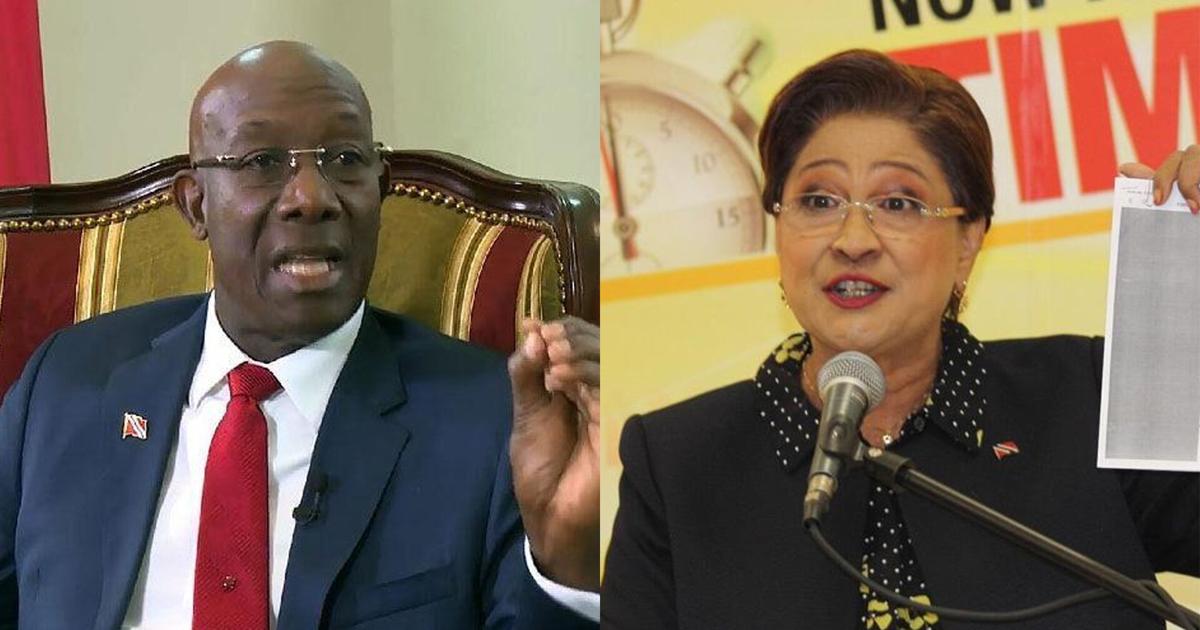
Trinidad and Tobago’s telecommunications regulator has launched a formal review of recent television broadcasts containing derogatory remarks about Prime Minister Kamla Persad-Bissessar, signaling potential enforcement actions against violators. The Telecommunications Authority of Trinidad and Tobago (TATT) issued dual communications—a public statement and a direct letter to Guardian Media Ltd—emphasizing broadcasters’ legal obligations to maintain decency standards.
The controversy emerged from a political exchange in Parliament where Persad-Bissessar alleged criminal financing behind opposition headquarters, prompting former Prime Minister Dr. Keith Rowley to respond with what many consider gender-based slurs during a CNC3 news broadcast on March 17. The term ‘jamette,’ historically denoting women of low social standing, has sparked widespread condemnation from government officials and civil society groups.
TATT specifically referenced Clause D9(a) of broadcast concessions, which prohibits content that ‘degrades or portrays in negative manner any person or group by reason of race, origin, class, religion or sex.’ The authority highlighted concerns about children potentially witnessing the derogatory remarks during broadcast hours, amplifying the negative impact on perceptions of the Prime Minister’s office.
Guardian Media Ltd’s CNC3 station received formal caution regarding its oversight responsibilities as a national broadcaster. TATT emphasized the necessity for ‘greater monitoring and due diligence’ to prevent offensive language violating concession agreements. The regulator confirmed ongoing examination of the contentious broadcast segments obtained through its Broadcast Content Monitoring system.
This incident has ignited broader discussions about media ethics and political discourse standards in Trinidad and Tobago. TATT maintains that upholding broadcasting standards is essential for fostering a ‘fair and respectful’ media environment reflective of national values.