WASHINGTON, DC – Mounting military exchanges between the United States, Israel, and Iran are generating substantial concerns regarding global economic stability, prompting the International Monetary Fund (IMF) to issue a stern warning about potential widespread repercussions. Both advanced and import-reliant economies are preparing for possible economic disruption as regional tensions intensify.
The IMF has adopted a guarded stance, highlighting that the conflict is already driving increases in energy and food prices while severely disrupting vital global supply networks. A primary concern is the closure of the Strait of Hormuz—a critical maritime corridor accounting for approximately 20% of global oil and liquefied natural gas shipments. Recent attacks on energy infrastructure throughout the Gulf have further exacerbated production challenges, compounding market anxieties.
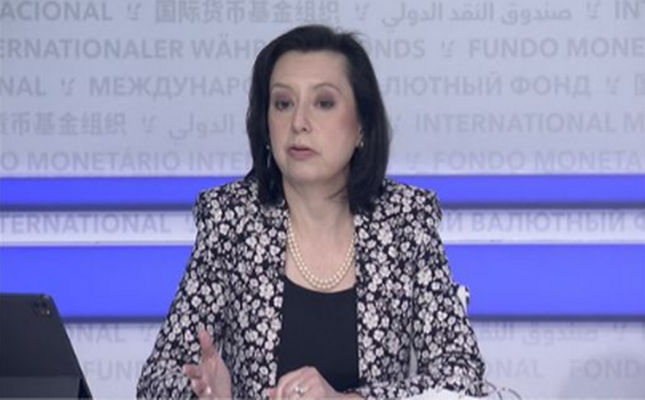
During a press conference on Thursday, March 19, IMF Director of Communications Julie Kozack outlined three principal channels through which the conflict could impact the global economy: commodity price volatility, inflationary pressures, and tightening financial conditions. Kozack emphasized that the scale of economic damage would be directly influenced by the duration of the Strait’s closure and the extent of damage to regional energy facilities.
Oil and gas prices have surged more than 50% over the past month, exceeding $100 per barrel. Kozack further cautioned that interruptions in fertilizer shipments and transportation logistics could trigger increases in global food prices. The IMF noted that historical patterns indicate a sustained 10% increase in oil prices could elevate global headline inflation by approximately 0.4 percentage points while reducing worldwide economic output by 0.1% to 0.2%.
Financial markets are already reflecting growing uncertainty, with declining equity values, rising bond yields, and increased volatility observed across both developed and emerging economies. The U.S. dollar has strengthened significantly, while several emerging market currencies have depreciated under pressure.
The IMF is scheduled to deliver a comprehensive analysis of the situation in its updated World Economic Outlook during the Spring Meetings in April, providing policymakers with deeper insights into the evolving economic landscape.