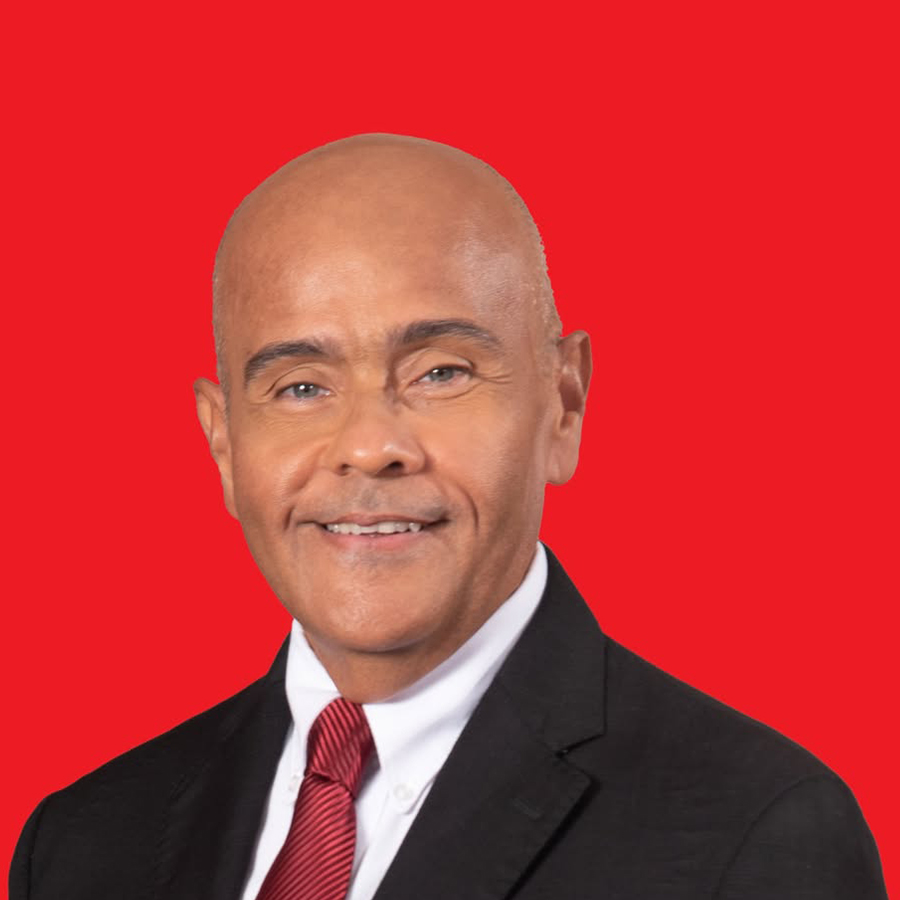
During a parliamentary debate on the Appropriations Bill, Christ Church West MP Dr. William Duguid unveiled a comprehensive proposal for a nationwide energy and water conservation initiative. The legislator emphasized the urgent need for a coordinated national strategy to address escalating fuel expenses through systematic demand reduction and efficiency enhancements.
Dr. Duguid articulated a multi-faceted approach encompassing mandatory energy audits for residential properties, government departments, and educational institutions. His proposal advocates for practical behavioral modifications including switching to energy-efficient lighting, optimizing climate control systems, and improving architectural designs for better natural ventilation.
The parliamentary address highlighted innovative utility pricing mechanisms as a core component of the strategy. Dr. Duguid recommended implementing differential metering systems for electricity, natural gas, and water services, creating financial incentives for off-peak consumption through variable tariff structures. This ‘peak shaving’ methodology aims to distribute demand more evenly while enhancing grid stability.
A significant portion of the proposal addressed the interconnection between water management and energy consumption. Noting that the Barbados Water Authority represents the nation’s largest electricity consumer due to pumping requirements, Dr. Duguid advocated for parallel water conservation measures. These include comprehensive leak remediation, reduced residential water waste, and continued efforts to minimize non-revenue water loss throughout distribution networks.
The MP referenced existing renewable energy infrastructure, particularly photovoltaic systems implemented during his tenure as Senior Minister for Infrastructure, as evidence of Barbados’ capacity for energy resilience. These solar installations enable water pumping operations without dependence on imported fossil fuels, providing crucial insulation against global oil market volatility.
Concluding his address, Dr. Duguid presented economic indicators demonstrating improved national conditions, citing a twenty-year low in the Barbados Growth Adjusted Misery Index, which combines unemployment and inflation metrics. This data was presented as evidence of effective governance while underscoring the continued necessity for energy conservation measures amid global economic uncertainties.